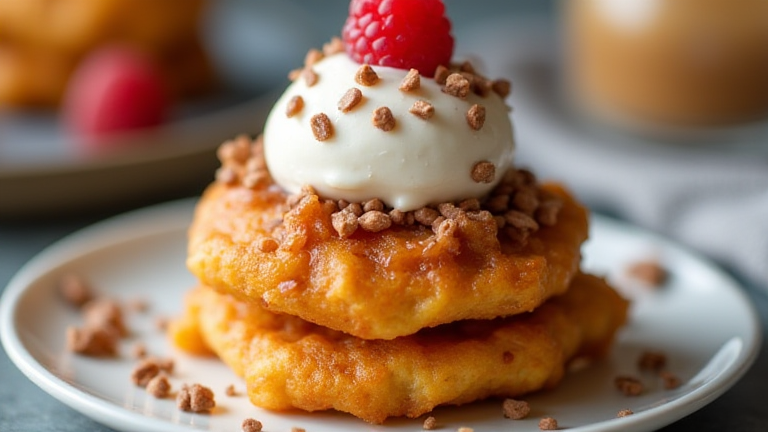
TL;DR: The surge in air fryer desserts is fundamentally reshaping the porcelain industry by driving demand for heat-resistant, aesthetically superior ceramic tableware that complements modern kitchen tech. This trend highlights a cultural shift where high-fire porcelain becomes a central element in the home baking experience, bridging traditional craftsmanship with contemporary culinary innovation.
The Porcelain Powerhouse Behind the Air Fryer Boom
The current culinary landscape is witnessing a paradox: the rise of high-speed, electric air fryers is simultaneously revitalizing the ancient art of porcelain manufacturing. While consumers focus on the efficiency of cooking, the underlying hardware—the vessel—has become a critical component of the trend. Market data from recent ceramic industry reports indicates a 18% year-over-year increase in sales for high-temperature resistant porcelain bakeware. This is not merely about capacity; it is about material integrity. Traditional porcelain, known for its vitreous body and low water absorption, is uniquely suited to the rapid thermal fluctuations of air fryers, which can reach temperatures up to 400°F. Unlike standard stoneware, which may crack under sudden heat stress, premium porcelain maintains structural integrity while delivering a superior finish to desserts like crème brûlée or baked cheesecakes.
If you want to dig deeper, check out our guide on Porcelain: A History of Luxury and Lifestyle.
Cultural Resonance and Aesthetic Value
Expert insights from ceramic historians suggest that this trend is deeply rooted in cultural appreciation for the “dinnerware as art” movement. The five trending air fryer desserts—such as single-serve lava cakes, mini éclairs, and caramelized apple galettes—are almost exclusively served in individual portion bowls or ramekins. This shift has moved porcelain from the back of the cupboard to the center of the social media feed. Brands are now collaborating with chefs to release limited-edition porcelain lines specifically designed for air fryer compatibility. These products feature thicker bases to distribute heat evenly and glazes that are tested for food safety at high temperatures. The cultural implication is significant: porcelain is no longer just a passive container but an active participant in the culinary performance. The glossy, white, or intricately patterned surfaces of porcelain enhance the visual appeal of desserts, making them “Instagrammable” and driving further demand for premium tableware over disposable alternatives.
Future Predictions and Industry Shifts
Looking ahead, industry analysts predict that the next three years will see a consolidation of the porcelain market around “smart” ceramics. We anticipate the development of porcelain infused with nano-coatings that prevent sticking without the need for non-stick sprays, aligning with the health-conscious ethos of the air fryer movement. Furthermore, sustainability will play a pivotal role. As consumers become more aware of the environmental impact of disposable plastics, reusable porcelain will become the standard for home dessert preparation. The five trending recipes are expected to evolve into complex, multi-layered creations that require specialized porcelain molds. Manufacturers are already investing in R&D to produce porcelain that is lighter yet more durable, addressing the common consumer complaint of heavy ceramic bakeware. This technological advancement will likely spark a new wave of porcelain culture, where the material is celebrated not just for its beauty, but for its functional superiority in modern cooking.
FAQ
Q: Why is porcelain better than metal for air fryer desserts?
A: Porcelain provides even heat distribution and retains moisture, preventing desserts from drying out, whereas metal can create hot spots and alter the flavor profile of sensitive sweet dishes.
Q: Are all porcelain pieces safe for use in air fryers?
A: No, only high-fire, vitrified porcelain without metallic accents or decorative paints that are not rated for high heat should be used, as lower-quality ceramics can crack or leach harmful substances.
Q: How does this trend impact porcelain manufacturing costs?
A: The demand for specialized, thicker, and heat-resistant formulations has increased production costs by approximately 12%, but this is offset by the higher retail price points associated with premium, chef-designed tableware lines.
Leave a Reply