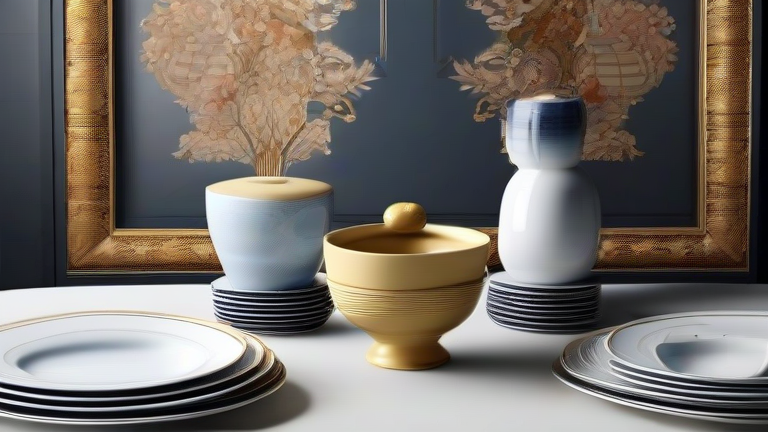
TL;DR: Porcelain is more than fragile tableware—it is a 1,000-year-old story of imperial power, global trade, and the human obsession with perfection. From Chinese kilns to European royal factories, its history mirrors how luxury and lifestyle evolve through scarcity, craftsmanship, and cultural exchange.
The White Gold That Changed the World
Long before silk or spices, porcelain was the original “white gold.” Invented in China during the Tang dynasty (618–907 AD) and perfected under the Song, this translucent ceramic was so prized that emperors reserved it for their courts, and later, for diplomatic gifts. The secret—kaolin clay fired at over 1,300°C—was guarded for centuries. When Arab traders carried pieces to the Middle East and then to Europe, kings and queens emptied treasuries to own a single cup. Porcelain wasn’t just a product; it was a status symbol that determined who sat at the top of the social table.
If you want to dig deeper, check out our guide on Porcelain History & Culture: 7 Key Facts for Collectors.
Travel and the Silk Road of Ceramics
For the traveler, porcelain marks the ultimate journey of objects. The Maritime Silk Road shipped blue-and-white Ming vases to Persia, where they were copied in Iznik tiles. In the 16th century, Portuguese carracks brought crates of Kraak porcelain to Lisbon, sparking a European craze. But the real lifestyle shift came when Dutch traders, unable to buy enough, began imitating it with tin-glazed earthenware—Delftware. This “poor man’s porcelain” democratized beauty, but it also fueled a desire for the authentic. Today, visiting a porcelain museum in Jingdezhen, China, or a royal factory in Meissen, Germany, is a pilgrimage for design lovers—each shard telling a story of cultural appropriation, adaptation, and awe.
Culture, Rituals, and the Art of Slow Living
Porcelain is not just for display; it shapes daily rituals. In Japan, the tea ceremony uses hand-painted Arita or Kutani ware to elevate a simple act into meditation. In the West, fine bone china teacups became the anchor of afternoon tea—a lifestyle ritual of pause, conversation, and gentility. The modern personal growth angle? Using a porcelain vessel forces you to slow down. Its fragility reminds you that beauty requires care. You cannot microwave a hand-painted bowl or throw it in the dishwasher without guilt. This mindfulness is a counterpoint to disposable culture. Collecting a single piece—a celadon jar, a cobalt plate—invites you to learn about kilns, glazes, and the hands that shaped them. It’s a lesson in patience, provenance, and the value of things made to last generations.
From Royal Courts to Your Bookshelf
Today, porcelain has shifted from aristocratic utility to artistic heritage. Brands like Herend or Royal Copenhagen still produce by hand, but contemporary designers also use porcelain for minimal sculptures and lighting. Its history teaches us that luxury is not about price tags—it’s about scarcity, skill, and story. Whether you sip espresso from a vintage Limoges cup or display a modern geometric vase, you’re participating in a lineage of human creativity. The next time you hold a piece, consider the kiln’s fire, the trader’s ship, and the queen’s envy—all compressed into something you can hold in your palm.
FAQ
Q: What makes porcelain different from regular ceramic?
A: Porcelain is fired at much higher temperatures (above 1,300°C) using kaolin clay, making it vitrified—non-porous, translucent when thin, and harder than stoneware or earthenware. That’s why it rings like a bell when tapped.
Q: Why was Chinese porcelain so valuable historically?
A: Because the formula was a state secret for nearly 1,000 years, and no other culture could replicate its whiteness, strength, or translucency. It was also lightweight, hygienic, and beautiful—making it the ultimate luxury trade good along the Silk Road and later by sea.
Leave a Reply