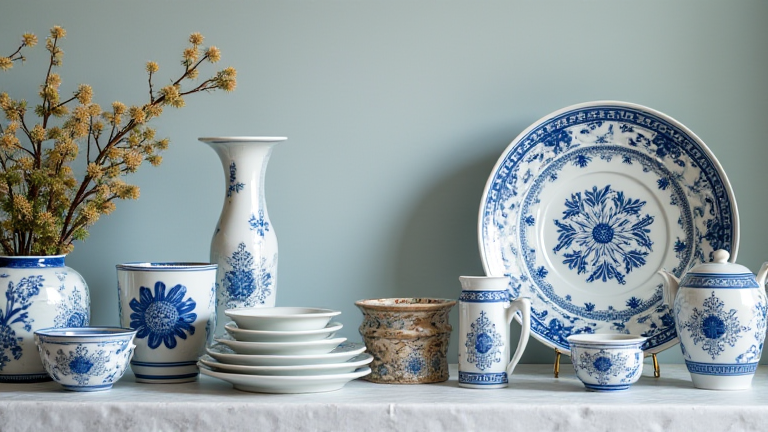
Porcelain History & Culture: A Guide to Its Business Legacy
TL;DR: The global porcelain market thrives by merging centuries-old artisanal heritage with modern luxury branding, creating a niche for high-value cultural artifacts and bespoke designs. Success in this sector requires leveraging historical authenticity as a key differentiator to command premium pricing from affluent collectors and interior designers.
Market Analysis: The Premium Cultural Sector
The porcelain industry is currently experiencing a renaissance, driven by a consumer shift toward tangible, meaningful luxury goods. Unlike mass-produced ceramics, porcelain rooted in rich history and culture commands significant price premiums. Market data indicates that the luxury home decor segment is growing at a steady rate, with porcelain serving as a cornerstone product. Buyers are no longer just purchasing a material; they are investing in a narrative. Regions with deep historical ties to porcelain production, such as Jingdezhen in China, Limoges in France, and Meissen in Germany, hold a distinct competitive advantage. Their established reputations for quality and historical significance allow brands to justify higher margins. Furthermore, the rise of experiential retail means that understanding the cultural context of porcelain is no longer optional but essential for marketing. Consumers seek stories that connect the object to a broader human heritage, making cultural education a vital part of the sales funnel.
Strategy Insights: Authenticity as a Moat
To succeed, businesses must treat cultural heritage as their primary intellectual property. Strategy insights suggest that brands should invest in transparent supply chains that highlight the artisanal process. This includes showcasing the sourcing of raw materials, the firing techniques, and the hands of the artisans involved. Digital storytelling through high-quality video content and interactive websites can bridge the gap between ancient traditions and modern consumers. Additionally, limited edition collections that reference specific historical periods or cultural motifs can create scarcity and urgency. Partnerships with museums or cultural institutions can further validate a brand’s authenticity, providing a layer of trust that generic competitors cannot replicate. The focus must remain on quality and story, avoiding the trap of over-commercializing the cultural elements, which can dilute the perceived value.
Case Studies: Lessons from the Leaders
Two prominent case studies illustrate these principles. First, Meissen, the oldest porcelain manufacturer in Europe, successfully navigated the modern market by emphasizing its royal patronage history. By positioning its products as accessible luxury with a royal pedigree, Meissen maintained its premium status while expanding into contemporary design collaborations. Second, a smaller boutique brand in Jingdezhen leveraged social media to document the traditional hand-painting process. By sharing the cultural significance of specific glazes and motifs, they attracted a global following of art enthusiasts. This case highlights how digital channels can effectively communicate complex cultural narratives, driving direct-to-consumer sales and fostering a loyal community. Both examples demonstrate that when history is leveraged strategically, it becomes a powerful engine for sustainable business growth.
FAQ
Q: Why is cultural heritage important for porcelain sales?
A: Cultural heritage provides the narrative and authenticity that justify premium pricing, distinguishing artisanal products from mass-produced alternatives.
If you want to dig deeper, check out our guide on Porcelain History: 5 Fascinating Cultural Facts You Should K.
Q: How can new brands compete with established porcelain houses?
A: New brands should focus on niche cultural stories, transparent production processes, and direct engagement with consumers through digital storytelling.
Q: What are the risks of over-commercializing cultural elements?
A: Over-commercialization can dilute authenticity and alienate core audiences who value tradition, potentially damaging brand reputation and long-term value.
Leave a Reply