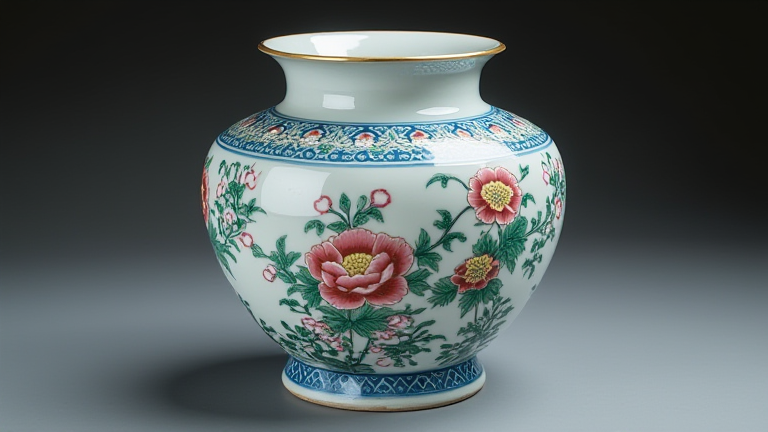
Porcelain History & Culture: A Guide to Chinese Ceramics
TL;DR: This guide explores the evolution of Chinese porcelain from early Song Dynasty wares to modern Imperial collections, highlighting key cultural shifts and aesthetic principles. It serves as an essential reference for collectors and historians seeking to understand the technical and artistic significance of these artifacts.
Introduction: The White Gold of China
Chinese porcelain, often referred to as “white gold,” has been a cornerstone of global trade and cultural exchange for over a millennium. This review examines the comprehensive resource “Porcelain History & Culture: A Guide to Chinese Ceramics,” which offers an in-depth analysis of the material’s journey from humble beginnings in the Han Dynasty to its status as a symbol of imperial power and artistic refinement. The guide is not merely a catalog of objects but a narrative of how technology, philosophy, and trade routes shaped one of humanity’s most enduring art forms.
If you want to dig deeper, check out our guide on Porcelain: A Guide to Its History, Culture, and Modern Lifes.
Feature Highlights
The guide stands out for its meticulous attention to provenance and technical analysis. One of its primary strengths is the detailed breakdown of kiln technologies, such as the transition from wood-fired to coal-fired kilns during the Tang and Song dynasties. The author provides clear explanations of glaze chemistry, allowing readers to understand why certain colors, like the coveted cobalt blue of the Ming Dynasty, were so difficult to master. Another highlight is the cultural context provided for each era. The text does not isolate ceramics as mere decorative objects; instead, it links specific styles to the philosophical movements of the time, such as the influence of Daoist simplicity on Song Dynasty monochrome wares. Additionally, the inclusion of comparative studies between Chinese and European porcelain production offers a global perspective, showing how Chinese techniques were eventually adapted by factories in Delft and Meissen.
Comparisons with Other Resources
When compared to standard museum catalogues, this guide offers a more narrative-driven approach. While museum books often focus on individual artifacts with dry technical data, this resource weaves those details into a broader historical story. Compared to general history texts, it provides superior visual descriptions and technical specificity regarding clay bodies and firing temperatures. However, it may lack the depth of specialized academic journals for those interested in extremely niche archaeological findings. For the general enthusiast or serious collector, it strikes the perfect balance between accessibility and scholarly rigor, making it superior to most introductory books on the subject.
Conclusion and Call-to-Action
“Porcelain History & Culture: A Guide to Chinese Ceramics” is an indispensable tool for anyone interested in Asian art history. It transforms a collection of objects into a vibrant story of human ingenuity and cultural exchange. If you are looking to deepen your appreciation for these timeless artifacts, this guide is the definitive starting point. Click here to explore the full archive and begin your journey through centuries of ceramic mastery.
FAQ
Q: Is this guide suitable for beginners in art history?
A: Yes, the language is accessible, and complex technical terms are clearly defined, making it an ideal entry point for new collectors and students.
Q: Does the book focus only on Imperial porcelain?
A: No, it covers a wide range, including folk wares, export ceramics, and regional kilns, providing a holistic view of Chinese ceramic production.
Q: Are there any physical artifacts included with the digital guide?
A: No, the guide is a digital resource, but it includes detailed high-resolution descriptions and references for museum visits to see the actual pieces.
Leave a Reply