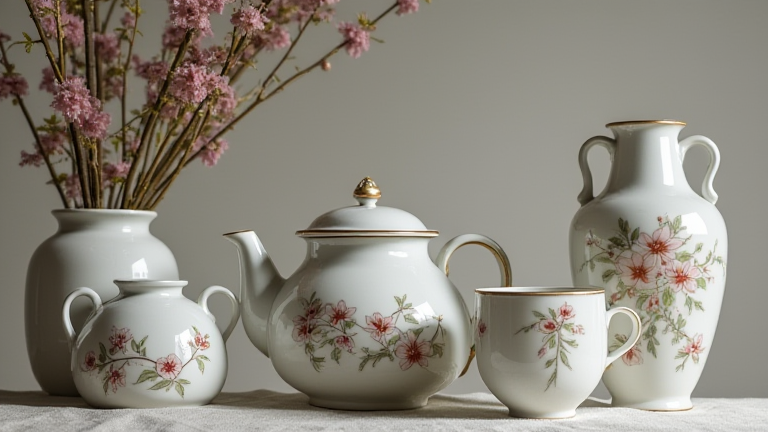
TL;DR: Ancient porcelain techniques have evolved from imperial luxury to accessible design, fundamentally shaping how we consume food, decorate homes, and appreciate global cultural heritage. By understanding the history of this “white gold,” you can curate a lifestyle that balances aesthetic refinement with sustainable, mindful consumption.
The Journey from Kilns to Tableware
Porcelain is not merely a material; it is a narrative of human ingenuity that spans centuries and continents. Originating in China during the Han Dynasty, this fine ceramic was once so valuable it was called “white gold.” Today, its influence permeates every aspect of modern lifestyle, offering seven distinct ways ancient craft shapes our daily existence.
First, porcelain elevates the dining experience. The thermal properties of high-fired porcelain keep soups hotter and beverages warmer for longer. When you choose a hand-thrown bowl over mass-produced plastic, you are engaging in a ritual that connects the present to a thousand years of culinary tradition. The tactile sensation of smooth, vitrified clay under your fingertips transforms a simple meal into a meditative act.
Second, the aesthetic of minimalism in home decor owes much to porcelain. The clean lines and translucent quality of fine china inspire modern interior design. Placing a single, imperfection-rich vase on a shelf creates a focal point that speaks to the beauty of the handmade, countering the sterile perfection of digital screens. This encourages a slower, more observant approach to living spaces.
Third, collecting porcelain offers a unique avenue for personal growth and investment. Unlike fleeting trends, quality porcelain pieces appreciate in value and carry historical weight. Curating a collection requires patience and research, fostering a deeper appreciation for craftsmanship and global trade routes. It turns hobby into education, as each piece tells a story of the kiln it came from.
Fourth, the cultural exchange inherent in porcelain history promotes global empathy. The “China Trade” introduced European artisans to techniques that eventually led to the Meissen and Sèvres traditions. Today, using diverse styles of porcelain in your home acknowledges this shared heritage, breaking down cultural silos through everyday objects.
Fifth, sustainable living is supported by porcelain’s longevity. Unlike disposable items, porcelain can last for generations. Repairing chips with kintsugi, the Japanese art of repairing with gold, teaches resilience and the beauty of imperfection, aligning with modern values of sustainability and anti-consumerism.
Sixth, the art of tea ceremony, deeply rooted in porcelain usage, promotes mental well-being. The ritual of pouring and sipping from a carefully selected cup demands presence and mindfulness, acting as a daily practice of stress reduction.
Seventh, porcelain inspires creativity in DIY and crafting. From painting small tiles to glazing simple mugs, engaging with ceramics allows for personal expression and stress relief, reconnecting you with the earth and the process of making.
In conclusion, embracing porcelain in your lifestyle is an act of cultural preservation and personal enrichment. It invites you to slow down, appreciate beauty in utility, and connect with a global history of craft. Whether through dining, decorating, or collecting, the ancient craft of porcelain continues to shape a more thoughtful, aesthetically pleasing, and culturally aware modern life.
FAQ
Q: How can I care for antique porcelain to ensure it lasts?
A: Handle pieces by the rim or base, avoid abrasive cleaners, and store them in padded boxes to prevent chipping.
If you want to dig deeper, check out our guide on Porcelain History & Culture: A Deep Dive into Ceramic Tech.
Q: What is the difference between bone china and porcelain?
A: Bone china contains bone ash, making it lighter and more translucent, while porcelain is denser and made from kaolin clay.
Q: Is it safe to put all porcelain in the dishwasher?
A: Most modern porcelain is dishwasher safe, but hand-washing is recommended for antique or hand-painted pieces to preserve glazes.
Leave a Reply