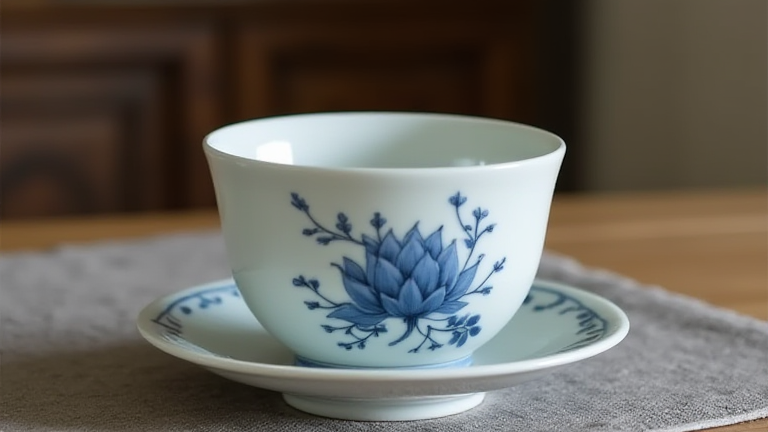
TL;DR: Porcelain’s journey from ancient Chinese alchemy to global trade fundamentally shifted how humanity values aesthetic refinement and ritualistic dining. Today, this legacy lives on in modern minimalist design and the mindful appreciation of handcrafted tableware.
The White Gold of History
For centuries, porcelain was more than just a material; it was a symbol of ultimate sophistication and imperial power. Originating in China during the Han and Tang dynasties, the secret to its translucent, white body was closely guarded. When European explorers finally tasted the first cups of tea in delicate Chinese bowls, they were captivated by the fragility and beauty of the object. This “white gold” became the most coveted commodity in the world, driving global trade routes and sparking a cultural obsession with elegance that persists to this day.
If you want to dig deeper, check out our guide on Porcelain History & Culture: A Deep Dive into Porcelain.
From Royal Palaces to Daily Rituals
In the early modern period, the mass production of porcelain in Meissen, Germany, and later in Sèvres, France, democratized access to fine china. However, the true impact on lifestyle was not merely about ownership, but about the adoption of new rituals. The use of porcelain plates, teacups, and vases encouraged slower, more deliberate dining experiences. It transformed eating from a biological necessity into a cultural performance. Families began to gather around tables set with matching sets, creating a shared aesthetic language that fostered intimacy and conversation. The tactile sensation of cool, smooth glaze against the skin became associated with comfort and status, embedding porcelain deeply into the fabric of domestic life.
Modern Minimalism and Mindful Living
Today, the influence of porcelain history is evident in the rise of slow living and minimalist aesthetics. Modern consumers are moving away from mass-produced plastic or generic ceramics, seeking out artisanal pieces that tell a story. The popularity of Japanese Raku ware and Chinese Jian tea bowls reflects a desire for imperfection and authenticity, echoing the historical appreciation for the master craftsman’s hand. Collecting and using porcelain is now seen as a form of personal growth and mindfulness. Holding a handmade cup invites a moment of pause, connecting the drinker to a lineage of artisans spanning thousands of years. This connection provides a grounding sense of continuity in an increasingly digital and fast-paced world. By choosing porcelain, individuals are not just buying a product; they are participating in a global cultural dialogue that values beauty, history, and the quiet joy of well-made objects.
FAQ
Q: Why is porcelain considered important in cultural history?
A: It served as a primary driver of global trade and cultural exchange, influencing art, dining customs, and social status across continents for centuries.
Q: How does using porcelain affect modern daily life?
A: It encourages mindful consumption and slower routines, allowing individuals to appreciate the tactile and aesthetic qualities of their surroundings.
Q: What is the difference between ancient and modern porcelain appreciation?
A: Ancient appreciation focused on rarity and imperial prestige, while modern appreciation emphasizes artisanal craft, sustainability, and personal well-being.
Leave a Reply