TL;DR: This comprehensive guide explores the intricate history and cultural significance of porcelain, offering readers a deep dive into its artistic evolution. It highlights key historical periods and cultural impacts without visual distractions.
The Origins of White Gold
Porcelain, often referred to as “white gold,” has captivated civilizations for millennia. Originating in China during the Han Dynasty, it was a closely guarded secret for centuries. The material’s unique combination of kaolin clay and petuntse stone created a vessel that was both durable and aesthetically stunning. Understanding this foundation is crucial for appreciating the modern porcelain products that adorn our shelves and dining tables today. The early Chinese dynasties perfected the firing techniques that allowed for thinner walls and greater translucency, setting the standard for global ceramics.
If you want to dig deeper, check out our guide on Porcelain History: 10 Fascinating Facts for Business Leaders.
Cultural Exchange and Evolution
The spread of porcelain beyond Asia marked a significant cultural shift. When European traders first encountered Chinese porcelain in the sixteenth century, it became a symbol of extreme wealth and status. This demand spurred the intense search for a European equivalent, leading to the eventual discovery of true porcelain recipes in Germany and France. Each region added its own cultural flavor to the art form. Japanese porcelain, for instance, emphasized rustic simplicity and natural imperfections, contrasting sharply with the elaborate, gilded designs of European courts. This cross-cultural pollination enriched the global ceramic landscape, creating diverse styles that reflect the unique values and aesthetics of different societies.
Feature Highlights of Modern Collections
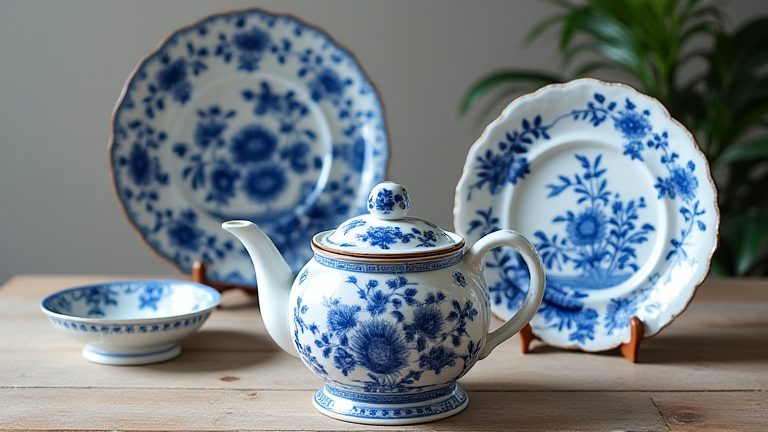
For collectors and enthusiasts, modern porcelain products offer a bridge between historical tradition and contemporary design. High-quality reproductions of Ming Dynasty blue-and-white patterns allow users to engage with historical aesthetics in their daily lives. Modern artisanal pieces often feature hand-painted details that mimic the intricate brushwork of ancient masters. These products are not merely functional items but are curated cultural artifacts. They showcase the enduring appeal of porcelain as a medium for artistic expression. The tactile quality of smooth, glossy surfaces invites touch and contemplation, making each piece a sensory experience. Furthermore, many modern manufacturers focus on sustainability, using eco-friendly firing methods that respect the environmental legacy of the craft.
Comparing Historical and Modern Pieces
When comparing historical artifacts with modern reproductions, distinct differences in craftsmanship and intent become apparent. Historical pieces are valued for their rarity, age, and the specific workshop they originated from. They often carry provenance stories that add to their monetary and cultural value. In contrast, modern porcelain is designed for accessibility and integration into contemporary living spaces. While they may lack the antique prestige, they offer superior consistency and durability for everyday use. Modern pieces also benefit from advanced glazing technologies that provide enhanced stain resistance and chip protection. This makes them practical for daily use while still maintaining an aesthetic connection to the past. Collectors often appreciate the juxtaposition, using modern pieces to display historical ones, creating a narrative of continuity and change.
Call to Action
Embrace the rich heritage of porcelain by exploring high-quality collections that honor this ancient craft. Whether you are a seasoned collector or a curious beginner, investing in authentic or well-crafted porcelain pieces allows you to participate in a timeless cultural tradition. Visit our curated selection of historical reproductions and modern artisanal works to find the perfect piece that speaks to your personal style and appreciation for history. Enhance your home or collection with the elegance and story of porcelain today.
FAQ
Q: What makes Chinese porcelain historically significant?
A: It was the first true porcelain invented, featuring a unique kaolin-based composition that allowed for thin, translucent, and durable vessels, setting the global standard for ceramic quality.
Q: How does modern porcelain differ from antique pieces?
A: Modern porcelain is typically mass-produced with consistent quality and durability for daily use, whereas antique pieces are valued for their rarity, historical provenance, and unique handmade imperfections.
Q: Can porcelain be used for everyday dining?
A: Yes, modern porcelain is highly durable, heat-resistant, and often dishwasher-safe, making it a practical and elegant
Leave a Reply