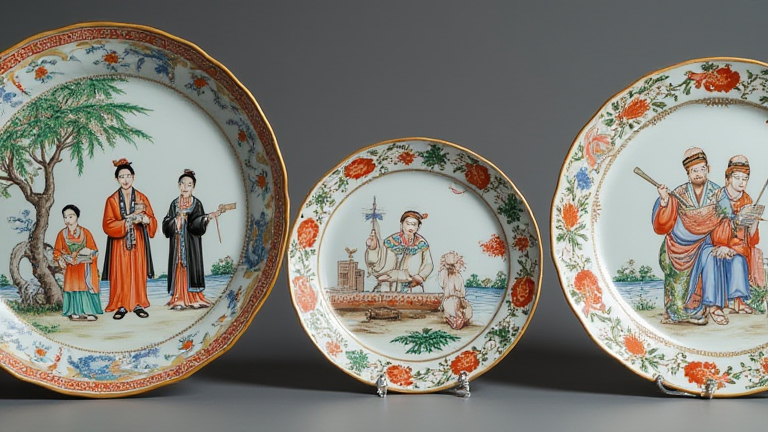
TL;DR: This comprehensive guide explores the rich heritage of porcelain, highlighting its evolution from ancient Chinese kilns to modern European artistry. It serves as an essential resource for collectors, historians, and enthusiasts seeking to understand the cultural significance and technical mastery behind this revered material.
The Golden Age of Porcelain
Porcelain is often referred to as “white gold,” a title earned through centuries of secrecy, innovation, and artistic expression. Originating in China, particularly during the Tang and Song dynasties, porcelain was initially a closely guarded state secret. The unique combination of kaolin clay and petuntse stone, fired at extremely high temperatures, created a material that was translucent, durable, and incredibly white. This section of our review highlights the key features of historical porcelain collections, focusing on the intricate blue-and-white designs that became synonymous with Chinese craftsmanship. These patterns, often depicting dragons, phoenixes, and landscapes, were not merely decorative but carried deep cultural and spiritual meanings. Understanding these symbols is crucial for any serious collector or history enthusiast who wishes to appreciate the depth of the art.
If you want to dig deeper, check out our guide on Porcelain History & Culture: A Complete Beginner’s Guide.
European Rivalry and Innovation
As trade routes expanded, the desire for Chinese porcelain spread across Europe, leading to a intense rivalry that drove significant innovation. German artisans, notably in Meissen, successfully reverse-engineered the recipe in the early 18th century, marking the beginning of the European porcelain era. This period is characterized by a shift from delicate, translucent Chinese styles to heavier, more opaque European wares that emphasized pastel colors and ornate gold detailing. Comparing these two traditions reveals distinct philosophical approaches to beauty: the Chinese emphasis on natural harmony and minimalism versus the European focus on opulence and courtly elegance. For those comparing investment opportunities, Meissen and Sèvres pieces often command higher prices due to their association with royal courts and their role in shaping Western aesthetic sensibilities, while Ming and Qing dynasty pieces remain highly sought after for their historical authenticity and rarity.
Modern Relevance and Collecting
Today, porcelain is not just a historical artifact but a living art form. Contemporary designers continue to push the boundaries of what porcelain can achieve, using it for everything from functional tableware to large-scale sculptures. This modern revival ensures that the heritage remains relevant, appealing to a new generation of collectors who value sustainability and artisanal craftsmanship. When considering a purchase or a deep dive into study, it is essential to look beyond the surface aesthetics. Authenticity, provenance, and the condition of the piece are critical factors that determine value. We recommend starting with reputable auction houses or specialized galleries that provide detailed documentation and expert authentication. Whether you are drawn to the serene simplicity of a Song dynasty bowl or the lavish grandeur of a Victorian tea set, understanding the historical context will enhance your appreciation and ensure a more informed collecting experience.
If you are ready to deepen your knowledge of this exquisite art form, we encourage you to explore our curated guide on “Porcelain History: Unveiling the Art, Culture & Heritage.” It offers detailed insights, expert comparisons, and practical advice for navigating the world of porcelain. Click here to access the full resource and begin your journey into the world of white gold.
FAQ
Q: What makes Chinese porcelain different from European porcelain?
A: Chinese porcelain is typically thinner, more translucent, and uses kaolin clay, while European porcelain, developed later, is often thicker, more opaque, and incorporates different mineral compositions to achieve distinct colors and textures.
Q: How can I authenticate a piece of antique porcelain?
A: Authentication involves examining the glaze, foot ring, and marks under magnification, verifying provenance documents, and consulting with reputable experts or auction houses who can identify specific stylistic traits and manufacturing defects unique to certain periods.
Q: Is investing in porcelain a good financial decision?
A: While high-quality, rare pieces can appreciate in value, porcelain is a niche market. It requires significant knowledge, careful storage, and insurance. It is best viewed as a passion-driven investment rather than a guaranteed financial asset.
Leave a Reply