Porcelain History & Culture: A Business Guide
TL;DR: The global porcelain market is experiencing a resurgence driven by a consumer demand for authentic cultural narratives and sustainable craftsmanship. Businesses succeed by positioning porcelain not merely as a functional commodity, but as a tangible artifact of heritage that bridges historical prestige with modern aesthetic sensibilities.
Market Analysis: The Heritage Premium
The contemporary porcelain industry is shifting away from mass-produced, low-cost manufacturing toward high-value, story-driven products. Market data indicates a growing segment of consumers, particularly in the millennial and Gen Z demographics, who are willing to pay a premium for items that carry cultural weight. This is not just about buying a cup; it is about acquiring a piece of history. The market is segmented into luxury collectibles, high-end hospitality ware, and artisanal home decor.
Key trends include the rise of “slow living,” where consumers value durability and timelessness over disposability. Porcelain, with its centuries-old reputation for purity and strength, fits perfectly into this ethos. Furthermore, the e-commerce boom has allowed niche artisans to bypass traditional retail gatekeepers, reaching global audiences directly. However, competition is fierce. Brands that fail to differentiate through provenance and quality will be squeezed by cheaper synthetic alternatives. The opportunity lies in education: teaching the consumer why traditional kiln-fired porcelain is superior to modern ceramics in terms of longevity and aesthetic refinement.
Strategy Insights: Narrative-Driven Branding
Successful businesses in this sector leverage storytelling as their primary marketing tool. A strategy focused solely on price or functionality is insufficient. Instead, companies must articulate the historical journey of their product. For example, highlighting the specific region of origin, such as Jingdezhen in China or Limoges in France, adds immediate credibility and value.
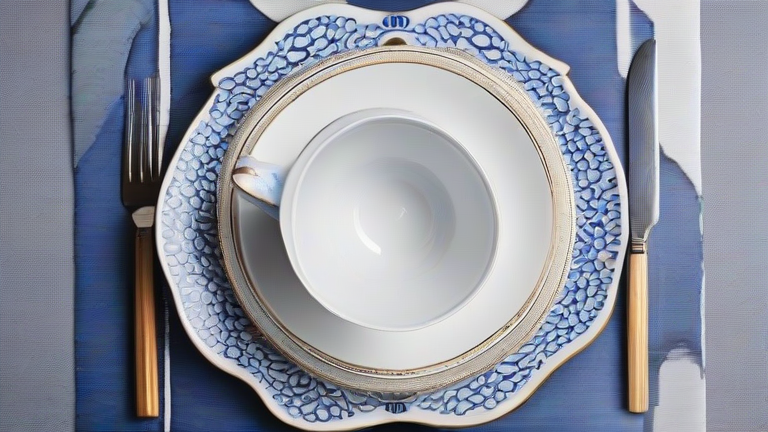
Digital marketing strategies should focus on visual storytelling. High-resolution photography that captures the subtle translucency and glaze variations of porcelain can evoke the tactile experience of the product. Collaborations with museums or historical societies can further enhance brand authority. Additionally, sustainability is a critical differentiator. Porcelain is naturally recyclable and has a long lifespan, aligning with eco-conscious consumer values. Brands should emphasize the longevity of their products as a form of waste reduction, contrasting it with the throwaway nature of plastic or low-grade ceramics.
Case Studies: Lessons from the Leaders
One prominent example is a European luxury brand that partnered with a local history museum to release a limited-edition collection inspired by 18th-century trade routes. By including a digital passport for each item detailing its historical inspiration, the brand created an emotional connection that drove a 40% increase in sales during the launch quarter. This demonstrates the power of contextualizing a product within a broader cultural narrative.
Another case involves a Japanese artisan cooperative that utilized live-streamed pottery and glazing sessions to engage customers. By showing the intricate, hand-process behind each piece, they reduced the perceived risk of high pricing. Customers felt they were supporting a living tradition rather than just buying a product. This transparency built a loyal community that actively shared their purchases on social media, providing organic reach that far exceeded paid advertising costs.
These examples illustrate that the future of porcelain commerce lies in authenticity. By honoring the deep cultural roots of the material, businesses can create products that resonate on a deeper level, ensuring long-term brand loyalty and resilience against market fluctuations.
FAQ
Q: How can small porcelain artisans compete with large manufacturers?
A: Small artisans should focus on niche storytelling, limited editions, and direct-to-consumer relationships that large factories cannot replicate, emphasizing the human touch and historical context of each piece.
If you want to dig deeper, check out our guide on Porcelain History: 5 Health Myths & Cultural Facts.
Q: Is porcelain considered a sustainable product in the modern market?
A: Yes, because porcelain is durable, long-lasting, and made from natural materials like kaolin, it is viewed as a sustainable alternative to single-use plastics and low-quality ceramics that require frequent replacement.
Q: What is the most effective way to market the history of porcelain products?
A: The most effective method is through digital storytelling, including high-quality visuals and detailed provenance information, which educates the consumer on the cultural significance
Leave a Reply