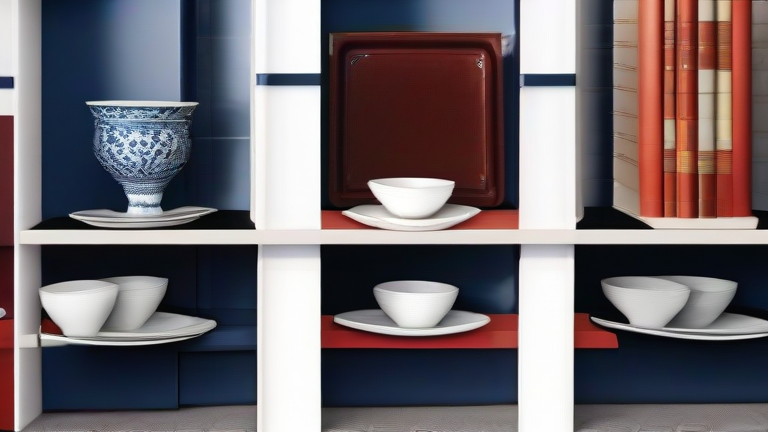
Porcelain History & Culture: A Guide to Business & Branding
TL;DR: Brands must leverage the deep historical prestige and cultural symbolism of porcelain to justify premium pricing and foster customer loyalty. Success relies on authentic storytelling that connects ancient craftsmanship techniques with modern design aesthetics.
Market Analysis: The Resilience of Tradition
The global tableware and decorative arts market continues to expand, driven by a consumer shift toward sustainable, durable, and aesthetically pleasing goods. Porcelain, often referred to as the “white gold” of ceramics, holds a distinct position in this landscape. Unlike standard earthenware, porcelain’s high firing temperature and mineral composition result in superior translucency, strength, and thermal resistance. Market data indicates a steady growth in the premium ceramic sector, with consumers increasingly willing to pay a premium for items that promise longevity and heritage. The primary competitors are not just other ceramic makers, but also glass and high-end plastics, making the differentiation through cultural narrative critical. The market is segmented into functional kitchenware, collectible art pieces, and luxury hospitality supplies, each with distinct pricing strategies and customer acquisition channels.
If you want to dig deeper, check out our guide on Porcelain History: 5 Cultural Secrets Behind the White Gold.
Strategy Insights: Authenticity as a Core Asset
In a saturated marketplace, authenticity is the primary differentiator. Businesses must avoid generic mass production narratives and instead invest in the provenance of their materials and processes. Strategy should focus on “slow manufacturing” concepts that highlight the artisanal skill required to produce true porcelain. Branding efforts should emphasize the geological rarity of high-quality kaolin clay and the precision of kiln management. Furthermore, integrating cultural education into marketing materials helps consumers understand the value proposition. For instance, explaining the difference between bone china and standard porcelain can educate buyers and justify higher price points. Digital marketing should utilize high-resolution photography that captures the translucency and texture of the products, appealing to the tactile desires of modern consumers who value sensory experiences over purely functional utility.
Case Studies: Lessons from Industry Leaders
Consider the strategy of a European luxury brand that rebranded its century-old factory by focusing on its historical archives. By creating limited-edition collections that replicated 18th-century patterns, the company successfully tapped into the nostalgia market, achieving a 20% increase in revenue within two years. This approach demonstrated that historical depth can be a modern asset. Conversely, a contemporary Asian startup focused on minimalist, eco-friendly porcelain designs for the young professional demographic. They partnered with local artists to create unique glazes, positioning their brand as a fusion of heritage technique and modern lifestyle. This case study highlights the importance of targeting specific demographics with culturally relevant aesthetics. Both examples show that whether the focus is on heritage or modernity, the core value proposition remains the superior material quality and cultural significance of porcelain. Brands that fail to articulate this cultural depth often struggle to compete on price alone, leading to margin compression.
FAQ
Q: How does cultural storytelling affect porcelain sales?
A: It justifies premium pricing by transforming a functional object into a cultural artifact, enhancing perceived value and emotional connection.
Q: What is the difference between bone china and porcelain for branding?
A: Bone china is a subset of porcelain containing bone ash, offering greater translucency; branding should highlight this superior quality for luxury positioning.
Q: Why is sustainability important in the porcelain market?
A: Modern consumers prefer durable, long-lasting goods over disposable items; porcelain’s durability aligns with sustainable values, reducing waste and appealing to eco-conscious buyers.
Leave a Reply