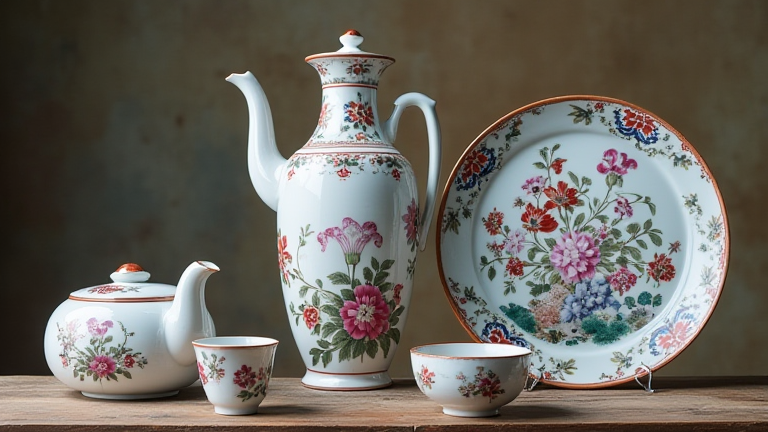
Porcelain History: A Cultural & Business Journey Through Time
TL;DR: Porcelain has evolved from a guarded Chinese secret to a global luxury commodity, driving billions in revenue through cultural heritage and modern design. Its business model relies on high-margin artisanal production, strategic brand storytelling, and the integration of traditional craftsmanship with contemporary market demands.
The Historical Economic Impact
For centuries, porcelain was not merely a household item but a currency of cultural influence. Originating in China during the Han Dynasty and perfected during the Tang and Song Dynasties, it was known in Europe as “white gold.” The trade was so lucrative that it significantly impacted the global economy, leading to the establishment of major trading routes. European powers, including the Dutch East India Company, dedicated entire fleets to transporting these fragile goods, highlighting their immense perceived value. This historical context establishes the foundation for today’s market: porcelain is inherently tied to prestige, durability, and artistic excellence.
If you want to dig deeper, check out our guide on Porcelain’s Tech History: How Science Shaped China’s White G.
Market Analysis and Current Trends
The modern porcelain market is segmented into two primary categories: industrial tableware and high-end art collectibles. The global tableware market is projected to grow steadily, driven by the hospitality industry’s demand for durable, aesthetic, and easy-to-maintain materials. However, the higher growth margin lies in the artisanal and luxury sectors. Consumers today are increasingly valuing provenance and sustainability. There is a rising trend in “slow living,” where individuals seek objects that tell a story. This shifts the business focus from mass production to limited editions and bespoke pieces. Data indicates that luxury porcelain brands that emphasize their heritage and handcrafted nature command price premiums of 300% to 500% over mass-produced alternatives.
Strategic Insights for Modern Brands
Success in the contemporary porcelain business requires a dual strategy of heritage preservation and digital innovation. First, brands must curate a compelling narrative. Consumers are not just buying a cup; they are buying a slice of history. Marketing strategies should highlight the specific kilns, the artisans, and the centuries-old techniques used in production. Second, digital engagement is crucial. Virtual showrooms and high-resolution video content showcasing the firing process can bridge the gap between the physical product and the global consumer. Additionally, partnerships with interior designers and high-end hotels can serve as powerful endorsement channels, placing the products in aspirational environments.
Case Studies in Resilience
Consider the case of Meissen, a German porcelain manufacturer founded in 1710. Meissen successfully transitioned from a royal court supplier to a global luxury brand by maintaining strict quality control and emphasizing its “Saxony” origin. Similarly, Japanese Raku ware has thrived by embracing its imperfections, aligning with the aesthetic of *wabi-sabi*. This strategy appeals to modern consumers who value authenticity over perfection. Both cases demonstrate that understanding the cultural weight of the product is as important as the manufacturing process. By positioning their products as cultural artifacts rather than just utilities, these companies have secured loyal customer bases willing to pay premium prices.
Future Outlook
Looking ahead, the porcelain industry must balance tradition with technological advancement. Innovations in 3D printing for prototyping and sustainable firing techniques will likely define the next decade. Companies that can merge ancient techniques with modern eco-friendly practices will lead the market. The journey of porcelain is a testament to the enduring power of cultural artifacts in the business world, proving that beauty and history remain powerful drivers of commercial success.
FAQ
Q: Why is porcelain considered a luxury good in modern markets?
A: It is viewed as luxury due to its historical scarcity, the high skill level required for manual production, and its association with cultural heritage and exclusivity.
Q: How can small porcelain artisans compete with large manufacturers?
A: Small artisans should focus on niche storytelling, limited-run exclusivity, and direct-to-consumer sales that emphasize the unique artistic value and provenance of each piece.
Q: What is the biggest challenge facing the
Leave a Reply