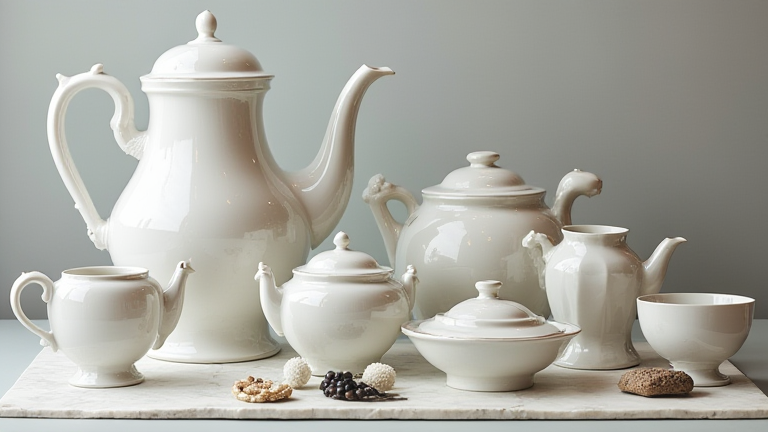
TL;DR: Porcelain is not merely a material but a profound cultural artifact that shaped global trade and artistic expression for centuries. Understanding its history reveals why it was famously known as “white gold” and how its production techniques defined luxury in ancient and modern societies.
The Origins of White Gold
For millennia, the secret to creating true porcelain remained a closely guarded mystery in China. Unlike other ceramics, porcelain is fired at extremely high temperatures, resulting in a material that is white, translucent, and incredibly hard. This unique combination of aesthetics and durability made it highly desirable across the globe. The term “white gold” was not just a metaphor for its value but a literal reflection of its economic impact. During the Tang and Song dynasties, porcelain became a primary export good, driving maritime trade routes from East Asia to Europe. The sheer difficulty of replicating the Chinese formula in other regions elevated its status to something akin to precious metals. Collectors and monarchs sought it with fervor, and the desire to possess these delicate vessels often influenced diplomatic relations and international conflicts. Understanding this historical context is essential for appreciating the modern market for porcelain antiques and high-end reproductions.
If you want to dig deeper, check out our guide on Porcelain History: Unveiling the Culture Behind the Art.
Feature Highlights of Historical Porcelain
When evaluating historical porcelain or high-quality modern replicas, several features stand out as critical indicators of authenticity and value. First, the translucency of the body is a key marker. Genuine high-fired porcelain allows light to pass through thin sections, a characteristic that lower-quality stoneware or earthenware lacks. Second, the glaze finish should be smooth, glassy, and often exhibits a subtle sheen that has developed over time, known as “patina.” For antique pieces, the presence of specific kiln marks or underglaze blue patterns can trace the piece back to specific workshops, such as those in Jingdezhen, the porcelain capital of China. Additionally, the weight of the piece is a feature; porcelain is dense yet lightweight compared to similar-sized stoneware. Modern collectors also look for the integrity of the form, as any cracks or chips significantly reduce value. The craftsmanship involved in hand-painting or carving these pieces requires immense skill, making each object a unique work of art rather than a mass-produced utility item.
Comparing Porcelain to Other Ceramics
To understand the prestige of porcelain, it helps to compare it with other ceramic types. Stoneware, for example, is fired at lower temperatures and is opaque, making it less desirable for fine tableware but more durable for everyday use. Earthenware is the most porous and least durable, often requiring a glaze to make it water-resistant. In contrast, porcelain is non-porous, meaning it does not need a glaze to be waterproof, though glazes are applied for aesthetic reasons. This technical superiority is why European potters spent centuries trying to replicate the Chinese method. When Meissen in Germany and Sèvres in France eventually cracked the code, they created their own distinct traditions. Comparing a Ming Dynasty blue-and-white plate to a Meissen baroque piece highlights the cultural differences in design, with Chinese pieces often favoring intricate narrative scenes while European pieces might emphasize ornate floral motifs and gold accents. This distinction is vital for buyers seeking specific stylistic elements for their collections.
Why History Matters for Collectors
Investing in porcelain is not just about acquiring a decorative object; it is about preserving a slice of history. Each piece tells a story of trade, technology, and cultural exchange. The “white gold” trade connected distant civilizations, facilitating the exchange of ideas, art, and science. By understanding the history behind the material, collectors can better identify valuable pieces and avoid forgeries. The market for antique porcelain is robust, with rare items fetching millions at auction. However, the market is also filled with reproductions and fakes, making historical knowledge a crucial tool for due diligence. For those new to the field, starting with well-documented periods and reputable sources is advisable. The cultural significance of porcelain ensures its value remains high, as it continues to be a symbol of refinement and artistic achievement worldwide.
Call to Action
If you are passionate about
Leave a Reply