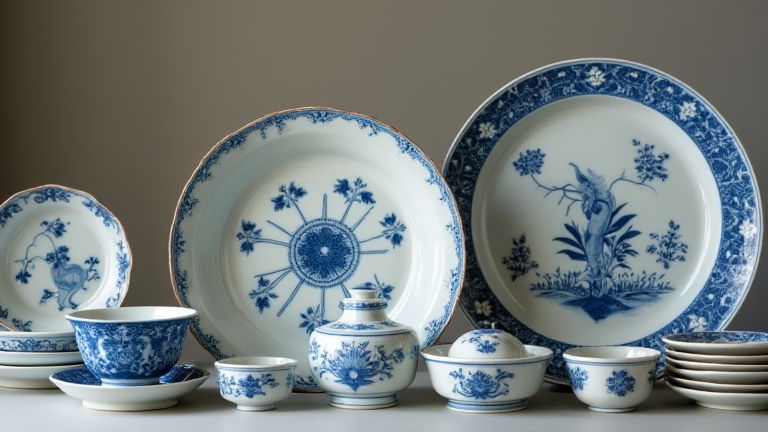
TL;DR: Porcelain originated in China during the Tang Dynasty, evolving into a global cultural symbol through the Ming and Qing dynasties. Understanding its history involves studying firing techniques, artistic motifs, and the significant trade routes that introduced these delicate ceramics to Europe and beyond.
Understanding the Origins
Begin by researching the Tang Dynasty (618–907 CE), where early white porcelain emerged. Focus on the concept of “white jade” aesthetics, which defined early Chinese ceramic art. Identify key kilns like those in Jingdezhen, which later became the imperial center of production. Understanding this geographic and temporal foundation is crucial for appreciating how local resources shaped the material’s unique translucency and strength. Read primary sources or museum catalogs that discuss the transition from earthenware to true porcelain, highlighting the discovery of kaolin clay and high-temperature firing methods that allowed for this technological leap.
If you want to dig deeper, check out our guide on Porcelain History: 10 Fascinating Facts & Cultural Insights.
Exploring Dynastic Styles
Next, distinguish between the major dynastic periods: Song, Yuan, Ming, and Qing. Each era introduced distinct artistic signatures. For the Song Dynasty, look for minimalist elegance and monochromatic glazes like celadon. In the Yuan period, note the introduction of cobalt blue and white designs. The Ming Dynasty refined these patterns, creating iconic pieces like the “blue and white” plates that became global commodities. The Qing Dynasty saw a peak in polychrome enamels, such as famille rose and famille verte. Create a visual timeline or study guide that links specific artistic motifs, such as dragons, peonies, or landscapes, to their respective dynastic contexts. This helps in dating pieces and understanding the cultural values embedded in their designs, reflecting Confucian, Taoist, or Buddhist influences prevalent at the time.
Tracing Global Influence
Investigate the impact of the Silk Road and maritime trade on porcelain dissemination. Learn how Dutch and English traders facilitated the movement of Chinese porcelain to Europe during the 17th and 18th centuries. This demand spurred European artisans to replicate Chinese styles, leading to the development of Delftware and later, Meissen porcelain. Examine how European factories adapted Asian motifs into their own cultural contexts, creating hybrid styles. This cross-cultural exchange highlights porcelain’s role as a luxury item and a diplomatic gift. Study the economic implications of the “China trade,” which influenced not only art but also global commerce and colonial expansion. By tracing these trade routes, you gain a comprehensive view of how a single material connected diverse civilizations and shaped global aesthetic trends.
Applying Knowledge to Collection
Finally, apply this historical knowledge to identify and appreciate porcelain products. Learn to examine the base of a piece for marks, which can indicate origin and date. Understand the significance of wear patterns and restoration, which tell a story of usage and preservation. Visit museums or reputable auctions to see authentic examples in person. Engage with online communities or expert forums to discuss findings and refine your identification skills. Remember that porcelain is more than a decorative object; it is a tangible link to historical trade, artistic innovation, and cultural exchange. By combining historical research with practical observation, you can develop a deep appreciation for the rich heritage of porcelain and its enduring place in global culture.
FAQ
Q: What is the main difference between porcelain and ceramic?
A: Porcelain is a specific type of ceramic made from kaolin clay fired at very high temperatures, making it denser, whiter, and more translucent than standard ceramic earthenware.
Q: Why is Jingdezhen famous in porcelain history?
A: Jingdezhen is known as the “Porcelain Capital” because it was the primary imperial production site in China for centuries, setting standards for quality and style that influenced global markets.
Q: How can beginners start a porcelain collection?
A: Start by focusing on a specific dynasty or style, such as Ming blue and white, and buy from reputable dealers or museums to ensure authenticity and learn about provenance.
Leave a Reply