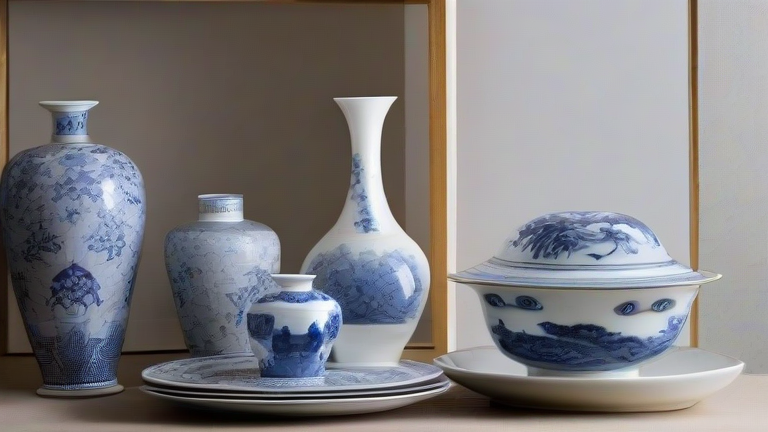
Porcelain History & Culture: A Guide to Its Artistic Legacy
TL;DR: This guide explores the rich artistic legacy of porcelain, highlighting its evolution from ancient China to global dominance. It provides essential insights for collectors and enthusiasts seeking to understand the cultural significance of these fragile treasures.
The Golden Age of Porcelain
Porcelain has captivated the world for over a thousand years, originating in China during the Han Dynasty but reaching its zenith in the Song and Ming dynasties. The secret to its creation, involving kaolin clay and high-temperature firing, was closely guarded for centuries. Understanding this history is crucial for appreciating the value of modern reproductions and original artifacts. The white, translucent quality of true porcelain, known as “china,” distinguished it from earthenware and stoneware, establishing it as a symbol of purity and refinement in East Asian culture.
If you want to dig deeper, check out our guide on Porcelain History & Culture: A Lifestyle Guide to Timeless E.
European Imitation and Innovation
When porcelain reached Europe in the sixteenth century, it sparked a frenzy of desire among the nobility. The quest to replicate the Chinese secret led to decades of failed experiments until the breakthrough at Meissen in Germany in 1709. This marked the beginning of European porcelain production, which soon developed distinct styles such as the delicate Sèvres of France and the bold patterns of English factories. Comparing these regional styles reveals how cultural influences shaped artistic expression. While Chinese porcelain often featured subtle nature motifs, European pieces tended toward ornate floral designs and historical scenes, reflecting different aesthetic values and social structures.
Feature Highlights for Modern Collectors
For those entering the market today, certain features define quality and authenticity. First, examine the glaze; authentic high-fired porcelain should be smooth and glossy without bubbles. Second, check for weight; true porcelain is surprisingly heavy for its size, indicating proper firing. Third, look for maker’s marks, which can significantly impact value. Modern collectors should also consider the provenance of the piece, ensuring it has a clear history of ownership. Additionally, the condition of the item is paramount; any hairline cracks or chips drastically reduce both structural integrity and monetary worth. Understanding these technical aspects helps buyers make informed decisions and avoid common pitfalls in the antique market.
Cultural Significance and Contemporary Use
Beyond aesthetics, porcelain holds deep cultural significance. In China, it is associated with longevity and prosperity, often gifted during significant life events. In the West, it became a status symbol for the elite, reserved for formal dining occasions. Today, porcelain continues to evolve, blending traditional techniques with modern art. Contemporary artists use the medium to explore identity, memory, and social issues, pushing the boundaries of what porcelain can express. This ongoing evolution ensures that the medium remains relevant, bridging the gap between historical craftsmanship and modern artistic innovation. Collectors who appreciate this dual heritage will find the most rewarding pieces.
Comparing Major Styles
When comparing major styles, consider the visual language of each. Blue and white Chinese porcelain emphasizes negative space and brushwork, creating a sense of calm and balance. In contrast, German Meissen porcelain often features intricate gilding and realistic figurines, showcasing technical mastery. English Wedgwood is known for its neoclassical designs and jasperware, appealing to those who prefer geometric precision and pastel colors. Each style offers a unique window into the period and culture that produced it. By studying these differences, collectors can build a diverse and educationally rich collection that tells a broader story of global artistic exchange.
Call to Action
Ready to deepen your appreciation for porcelain? Start by visiting local museums to see original pieces in person. Join online collector communities to share knowledge and find reputable dealers. Educate yourself on authentication techniques to protect your investments. The world of porcelain is vast and inviting, offering endless opportunities for learning and discovery. Take the first step today and begin your journey into the artistic legacy of porcelain. Your collection will not only be beautiful but also a testament to human creativity and cultural heritage.
FAQ
Q: What is the difference between
Leave a Reply