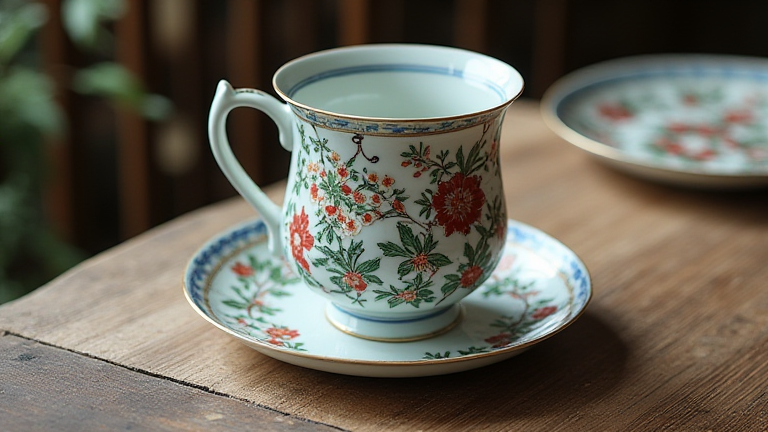
Porcelain History: From Ancient China to Modern Culture
TL;DR: Porcelain has evolved from a closely guarded Chinese secret into a global cultural and economic powerhouse, valued for its aesthetic and functional versatility. The modern market is driven by a resurgence in artisanal craftsmanship and sustainable practices, projecting steady growth through 2030.
The Origins of the White Gold
For centuries, porcelain was known in the West as “China,” a testament to its exclusive origin in the kilns of Jingdezhen. The discovery of kaolin clay and feldspar allowed Chinese artisans to create a material that was translucent, durable, and sonorous. This “white gold” was not merely tableware; it was a diplomatic tool, gifted to European monarchs to solidify trade routes. The mystery of its production kept Western potters struggling for centuries until German alchemist Johann Friedrich Böttger finally cracked the code in the early 18th century, leading to the birth of Meissen porcelain. This breakthrough democratized access to fine ceramic goods, shifting the material from a luxury commodity to a staple of aristocratic and eventually middle-class households.
If you want to dig deeper, check out our guide on Porcelain History: 7 Fascinating Cultural Facts & Trends.
Market Dynamics and Global Shifts
Today, the global porcelain market is estimated at over $15 billion, with a compound annual growth rate (CAGR) of approximately 3.5% projected through 2030. While mass-produced tableware still dominates by volume, the highest value lies in the decorative and artistic sectors. Market data indicates a significant shift in consumer preference toward unique, handcrafted pieces. According to a 2023 industry report, sales of artisanal ceramic art have surged by 18% year-over-year, driven by a desire for “slow living” aesthetics. Consumers are increasingly willing to pay a premium for items that tell a story, linking the modern piece to the ancient lineage of East Asian craftsmanship.
Expert Insights on Cultural Relevance
Elena Ross, a curator at the International Ceramic Institute, notes that porcelain is experiencing a renaissance in contemporary art. “We are seeing porcelain move beyond the dinner plate into sculpture and mixed-media installations,” Ross explains. “Artists are using the material’s fragility as a metaphor for resilience. It is no longer just about utility; it is about emotional resonance. The market is responding to this narrative depth, creating a niche for high-end collector pieces that bridge the gap between industrial production and hand-crafted artistry.”
Future Predictions and Sustainability
Looking ahead, the industry faces a dual challenge: sustainability and innovation. Traditional porcelain manufacturing is energy-intensive, requiring high temperatures that contribute to carbon emissions. However, this pressure is driving innovation. New glaze technologies are emerging that require lower firing temperatures, reducing the environmental footprint by up to 20%. Furthermore, the rise of 3D printing in ceramics is revolutionizing production, allowing for complex geometries that were previously impossible. Experts predict that by 2028, hybrid models combining digital design with traditional hand-finishing will become the standard for premium brands. The future of porcelain lies in its ability to balance its ancient heritage with modern ecological and technological demands, ensuring it remains a vital component of global culture.
FAQ
Q: Why is porcelain from Jingdezhen considered the most valuable?
A: Jingdezhen is historically the capital of Chinese ceramics, known for the highest quality kaolin clay and centuries of uninterrupted technical mastery, giving its pieces superior translucency and durability.
Q: How does modern porcelain differ from ancient Chinese porcelain?
A: While the chemical composition remains similar, modern porcelain utilizes advanced firing technologies and diverse glazing techniques, allowing for a wider range of colors and forms, including complex sculptural pieces not seen in ancient times.
Q: Is investing in porcelain art a safe financial decision?
A: Like any art market, it carries risk, but established artists with strong historical lineage or significant cultural recognition tend to retain value well, especially as the market shifts toward unique, sustainable artisanal pieces
Leave a Reply