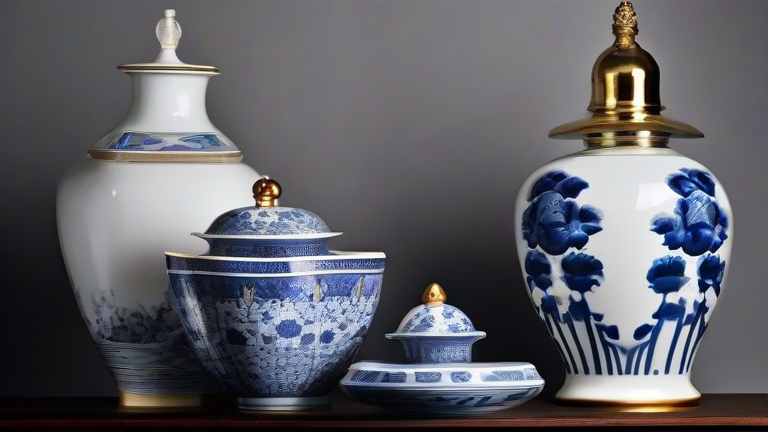
Porcelain History & Culture: A Lifestyle Guide to Timeless Elegance
TL;DR: Porcelain is more than just tableware; it is a tangible connection to centuries of artistic mastery and cultural exchange that elevates everyday rituals. Integrating authentic porcelain into your home adds a layer of sophisticated history and mindful appreciation to your daily life.
The Alchemy of Earth and Fire
Long before the first blue-and-white patterns graced a dinner plate, porcelain was a secret guarded jealously by Chinese artisans. Originating in the early Tang Dynasty, the discovery of the perfect blend of kaolin clay and fire at high temperatures created a material that was translucent, white, and incredibly durable. For centuries, this “white gold” was reserved for emperors and the elite, symbolizing purity and refinement. To engage with porcelain today is to participate in a legacy that spans over a thousand years, bridging the gap between ancient craftsmanship and modern aesthetic sensibilities.
If you want to dig deeper, check out our guide on Porcelain History: 10 Fascinating Facts for Business Leaders.
From Imperial Palaces to Modern Dining
The journey of porcelain from East Asia to Europe was a pivotal moment in global cultural history. When Jesuit missionaries and traders brought samples to Europe in the late 16th and early 17th centuries, they sparked a frenzy among European nobility. The quest to replicate this material led to the founding of prestigious manufactories in Germany, France, and England. Today, owning a piece of fine porcelain is not merely about acquiring a decorative object; it is about curating a personal museum. Whether it is a delicate teacup from Meissen or a minimalist bowl from contemporary Kyoto, each item carries the weight of its origin story, inviting you to slow down and appreciate the tactile experience of holding something crafted with such precision.
The Ritual of Mindful Consumption
In our fast-paced digital age, the act of eating or drinking often becomes a rushed transaction. Porcelain invites a different approach. The slight weight of a fine ceramic cup, the way the glaze catches the light, and the clarity of the material all serve to anchor your senses. This aligns perfectly with the modern lifestyle trend of mindfulness. By choosing to use high-quality porcelain for your morning coffee or evening tea, you are elevating a mundane routine into a ritual of self-care. It encourages presence, gratitude, and a deeper connection to the objects that surround you. This practice of intentional living suggests that elegance is not about extravagance, but about the quality of attention you give to your surroundings.
Care and Connection
Like any valuable possession, porcelain requires care. Hand-washing with a soft cloth and mild soap ensures that the glaze remains pristine for generations. This act of care fosters a sense of responsibility and stewardship. Moreover, porcelain serves as a conversation starter. Sharing a meal served on beautiful china invites guests to linger, to talk, and to connect. In a world that often feels fragmented, the shared experience of a well-set table brings people together, reinforcing social bonds through the simple, timeless medium of a plate.
FAQ
Q: Why is porcelain considered a luxury item in modern lifestyles?
A: Porcelain is valued for its rarity in terms of craftsmanship, its durability, and its aesthetic perfection, which adds a sense of occasion and sophistication to everyday activities.
Q: How can I incorporate porcelain into a minimalist home decor style?
A: Choose pieces with clean lines and neutral tones, such as white or pastel hues, to serve as subtle focal points that enhance rather than clutter the space.
Q: Is it practical to use fine porcelain for daily meals?
A: Yes, modern porcelain is highly durable and heat-resistant; with proper care, it can withstand daily use while maintaining its elegance and structural integrity.
Leave a Reply