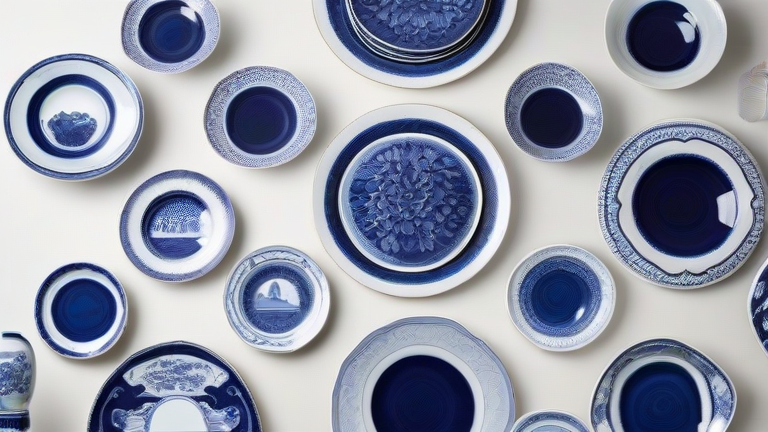
TL;DR: Blue and white porcelain originated in China’s Ming Dynasty, evolving from practical wares into sophisticated art that symbolizes cultural exchange. Its global spread transformed it from a luxury trade good into a universal icon of elegance and historical connectivity.
The Birth of a Blue Dream
Long before the industrial age, the quest for “white gold” defined trade routes across Asia and Europe. In the kilns of Jingdezhen, located in modern-day Jiangxi Province, artisans discovered that cobalt oxide, imported from Persia, could create stunning blue designs on a pure white kaolin clay body. This technique, perfected during the Yuan Dynasty and mastered in the early Ming Dynasty, allowed for intricate floral patterns, dragon motifs, and landscape scenes that captivated the world. The vessel was not merely a container for tea or wine; it was a canvas that reflected the philosophical values of harmony, balance, and the interplay between nature and human creativity. Each piece told a story of skill, patience, and the alchemical transformation of earth into art.
If you want to dig deeper, check out our guide on Porcelain History: From Ancient China to Modern Culture.
Global Desire and Cultural Fusion
As Dutch traders brought these delicate pieces to Europe in the late sixteenth century, they sparked a craze known as “chinoiserie.” European royals and nobles coveted these items, viewing them as superior to local stoneware or lead-glazed ceramics. The high value of porcelain made it a status symbol, influencing furniture design, textile patterns, and even garden architecture. However, the story is not one-way. European manufacturers, particularly in Germany, eventually cracked the secret of true porcelain, leading to the creation of Meissen and Sèvres wares. These European interpretations often blended local aesthetic preferences with Chinese motifs, creating a hybrid style that reflected the globalized nature of the eighteenth-century world. This cross-pollination demonstrates how cultural artifacts can transcend their origins to become shared human treasures.
The Modern Table: Food and Ritual
Today, the legacy of blue and white porcelain is most visible in our dining habits. The aesthetic of crisp white backgrounds with bold blue accents remains timeless, evoking a sense of cleanliness and tradition. In culinary culture, serving food on fine porcelain enhances the sensory experience, suggesting that the meal is worth savoring. From a personal growth perspective, engaging with this history encourages mindfulness. Appreciating the craftsmanship behind a simple teacup or dinner plate connects us to centuries of human ingenuity. It reminds us that objects are never neutral; they carry weight, memory, and meaning. By choosing to use and display these items, we participate in a living tradition, honoring the artisans who first painted the cobalt lines that have defined elegance for five hundred years. This cultural appreciation fosters a deeper connection to the past and a greater respect for the materials we use daily.
FAQ
Q: What makes blue and white porcelain different from other ceramics?
A: It uses specific high-temperature kaolin clay and cobalt oxide pigments fired under glaze, creating a durable, non-porous surface with distinctive blue designs on a white body.
Q: Why was porcelain considered more valuable than gold in Europe?
A: Its fragility, rarity, and the difficulty of production made it extremely difficult to transport and produce, making it a rare luxury item that symbolized extreme wealth and status.
Q: How can I care for antique blue and white porcelain?
A: Handle with clean, dry hands, avoid harsh detergents, and store pieces separately with soft padding to prevent chipping from contact with other items.
Leave a Reply