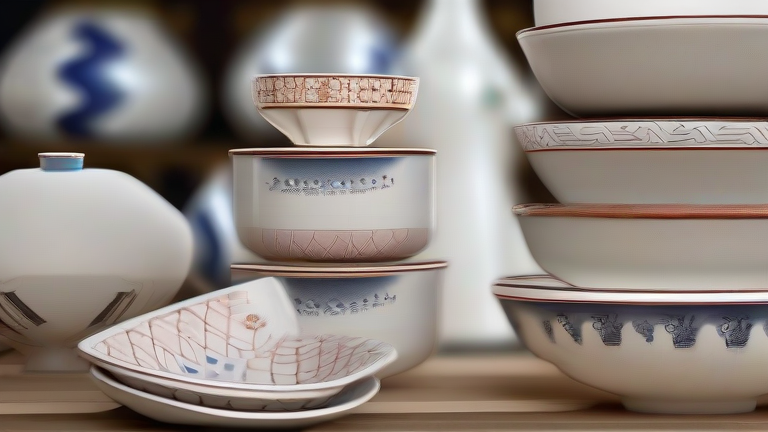
TL;DR: To master porcelain history, begin by studying the distinct eras of Chinese production, from the Tang dynastic beginnings to the refined Ming blue-and-white styles. Focus on understanding cultural significance, such as the symbolism of specific motifs and the evolution of trade routes, to fully appreciate the art form.
Understanding the Origins
Start your journey by researching the earliest known porcelain, which originated in China during the Tang Dynasty. Unlike earthenware, true porcelain requires kaolin clay and high firing temperatures, resulting in a white, translucent, and resonant material. Study how the secret of porcelain production was guarded in China for centuries before spreading to other parts of Asia and eventually Europe. Understanding these technical constraints helps explain why porcelain was considered a luxury item for over a millennium, reserved for imperial use and diplomatic gifts.
If you want to dig deeper, check out our guide on Porcelain in History: A Cultural Guide to Health.
Exploring Key Dynastic Styles
Next, examine the major dynastic periods to identify distinct aesthetic trends. Focus on the Song Dynasty, known for its minimalist elegance and monochromatic glazes like Ru and Celadon. Then, move to the Ming Dynasty, which introduced the iconic blue-and-white decoration using cobalt pigment imported from Persia. Learn to recognize specific patterns, such as dragons, clouds, or lotus flowers, as these carried deep cultural and spiritual meanings. This step is crucial for contextualizing the art within its historical narrative, allowing you to see beyond mere decoration to understand the values and beliefs of the era.
Tracing the Global Impact
Investigate how porcelain influenced global trade and culture. Study the “China Trade” that connected Asia to Europe via the Silk Road and maritime routes. Analyze how European potters, such as those in Meissen and Delft, attempted to replicate Chinese designs, leading to the creation of distinct European porcelain traditions. This cross-cultural exchange highlights porcelain’s role as a catalyst for artistic innovation worldwide. By mapping these trade routes, you gain insight into how material culture shaped diplomatic relations and economic power dynamics between civilizations.
Applying Cultural Knowledge
Finally, apply your historical knowledge by analyzing modern reproductions or contemporary artworks. Compare traditional pieces with modern interpretations to see how historical motifs are reimagined today. Visit museums or online collections to observe the physical characteristics of different periods, paying attention to glaze texture, foot rings, and back stamps. Engaging with the physical objects solidifies your theoretical understanding. This practical approach ensures that you can distinguish between genuine historical pieces and modern imitations, enhancing your appreciation for the craft’s enduring legacy and technical mastery.
FAQ
Q: What distinguishes porcelain from other ceramics?
A: Porcelain is made from kaolin clay and fired at very high temperatures, making it denser, whiter, and more translucent than standard earthenware or stoneware.
Q: Why was blue pigment important in Ming porcelain?
A: Cobalt blue was imported from Persia and used for intricate designs, creating a striking contrast against the white body that became a hallmark of Ming aesthetic preferences.
Q: How did porcelain influence European art?
A: European artisans studied Chinese techniques and designs, leading to the development of local porcelain industries and inspiring decorative styles across various European art forms.
Leave a Reply