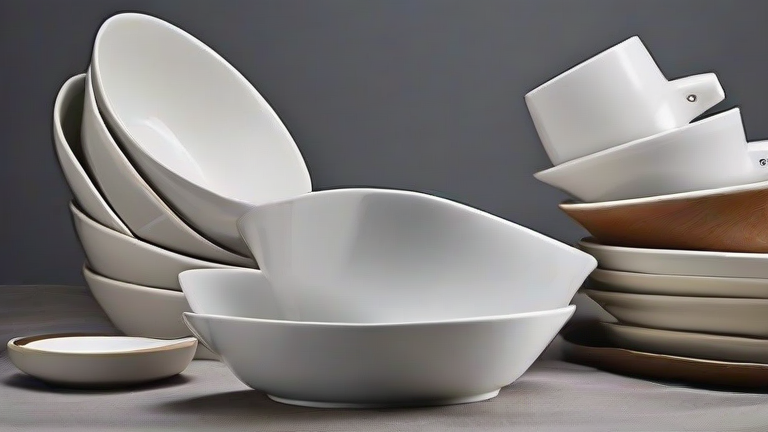
Porcelain & Health: The Surprising History of Safe Tableware
TL;DR: Porcelain is chemically inert and non-porous, making it a safer alternative to materials that can leach heavy metals into food. Its durability and ease of sanitization contribute to a healthier dining environment by preventing bacterial buildup.
In the realm of home health and wellness, we often focus on what we eat, yet we frequently overlook the vessel that holds our meals. The history of porcelain is not just a tale of art and trade; it is a story of material science that inadvertently improved public health. Originally developed in China during the Tang Dynasty, porcelain was prized for its translucency and strength. However, its modern relevance lies in its unique physical properties that support hygiene and safety in the kitchen.
If you want to dig deeper, check out our guide on Porcelain History: A Deep Dive into China’s White Gold Cultu.
The Science of Inertness
Unlike older tableware materials such as lead-glazed ceramics or early plastics, high-quality porcelain is chemically inert. This means it does not react with acidic foods, such as tomatoes or citrus, or with salty condiments. Science-backed studies have shown that certain older glazes could leach toxic metals like lead or cadmium into food, posing long-term health risks including neurological issues and kidney damage. Modern porcelain, fired at extremely high temperatures, creates a glass-like surface that is completely non-porous. This structural integrity ensures that no micro-fissures form where bacteria, mold, or food particles could become trapped. For the health-conscious individual, choosing inert tableware is a simple, low-effort way to reduce exposure to environmental toxins.
Lifestyle Tips for a Hygienic Home
Integrating porcelain into your daily routine offers practical benefits for maintaining a clean and healthy home. First, prioritize purchasing from reputable manufacturers who adhere to strict safety standards, ensuring the glaze is lead-free and cadmium-free. Second, take advantage of porcelain’s thermal resistance. Because it can withstand high temperatures, you can safely sanitize your plates and bowls in the dishwasher’s high-heat cycle or even in the oven. This capability allows for deeper cleaning than delicate materials that might warp or degrade under heat. Additionally, because porcelain does not absorb odors or stains, it requires less aggressive chemical cleaning agents. Using mild soap and warm water is often sufficient, reducing the chemical load in your kitchen ecosystem. This aligns with a minimalist wellness approach that favors natural, non-toxic living environments.
Furthermore, the cultural shift toward sustainable living supports the use of porcelain. Its longevity means you are less likely to need to replace your tableware frequently, reducing waste and the environmental footprint associated with manufacturing new goods. By investing in high-quality porcelain, you are making a long-term health investment. It supports a lifestyle that values cleanliness, safety, and sustainability. Whether you are hosting a formal dinner or enjoying a quiet breakfast, the material beneath your food plays a subtle but critical role in your overall well-being. Embracing the history and science of porcelain allows you to make informed choices that protect your health and honor the craftsmanship of this timeless material.
FAQ
Q: Is all porcelain safe for everyday use?
A: Most modern porcelain is safe, but always check for “lead-free” and “cadmium-free” labels, especially with decorative or antique pieces that may have older glazes.
Q: How does porcelain compare to glass in terms of hygiene?
A: Both are non-porous and inert, but porcelain is more durable and less likely to shatter, making it a safer choice for households with children or frequent kitchen use.
Q: Can porcelain be recycled?
A: Generally, porcelain is not accepted in standard curbside recycling programs due to its high melting point, but it can be repurposed or disposed of in special construction and demolition debris facilities.
Leave a Reply