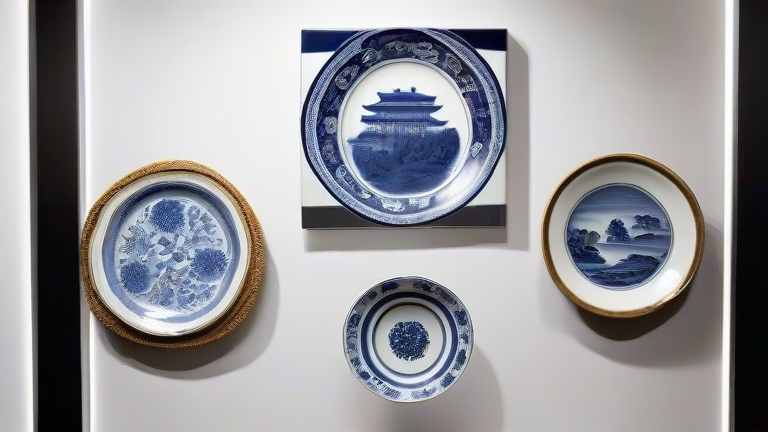
TL;DR: Porcelain is more than just tableware; it is a tangible link to centuries of artistic innovation and cross-cultural exchange that defines modern aesthetic sensibilities. Integrating porcelain into your lifestyle offers a daily connection to history, craftsmanship, and mindful consumption.
The Golden Age of White Gold
Before the twentieth century, porcelain was known as “white gold,” a material so precious that it was often more valuable than the metal coins used to buy it. Originating in ancient China, the secret to its creation was guarded for centuries, involving high-temperature firing of kaolin clay that resulted in a material that was white, translucent, and incredibly durable. When European alchemists and artisans finally cracked the code in the early eighteenth century, it sparked a global revolution in design and daily life. This period marked the beginning of porcelain not just as a commodity, but as a status symbol that influenced architecture, fashion, and social etiquette across the globe.
If you want to dig deeper, check out our guide on Porcelain History: Unlocking the Culture Behind Fine China.
Curating a Mindful Home
In today’s fast-paced world, choosing to incorporate porcelain into your home is an act of intentional living. Unlike mass-produced plastic or lower-quality ceramics, hand-thrown or fine-bone porcelain pieces carry a narrative. When you break bread on a Ming Dynasty-inspired plate or sip coffee from a hand-painted cup, you are engaging in a sensory ritual that slows time down. This practice encourages mindfulness, forcing us to appreciate the tactile warmth and visual elegance of the object. It transforms a mundane meal into a cultural experience, connecting your present moment to the hands of artisans who worked with precision and care generations ago.
Sustainable Luxury and Personal Growth
Embracing porcelain culture also aligns with the growing movement toward sustainable luxury. Because high-quality porcelain is incredibly durable, it can last for centuries if cared for properly. This longevity contrasts sharply with the throwaway culture of modern consumerism. By investing in fewer, better items, you reduce waste and cultivate a deeper appreciation for quality over quantity. This shift in perspective fosters personal growth, teaching us to value durability and beauty that withstands the test of time. It is a reminder that true wealth is not just in accumulation, but in the enduring presence of objects that hold cultural weight and personal significance.
FAQ
Q: How do I properly care for antique porcelain?
A: Handle pieces with clean, dry hands or cotton gloves, wash them gently in warm soapy water if necessary, and store them in padded boxes to prevent chipping.
Q: What is the difference between bone china and standard porcelain?
A: Bone china contains bone ash, making it lighter, stronger, and more translucent than standard porcelain, which relies solely on clay and feldspar.
Q: Why is porcelain considered a sustainable choice for modern homes?
A: Its exceptional durability allows a single piece to be used for decades or even centuries, significantly reducing the environmental impact associated with frequent replacement.
Leave a Reply