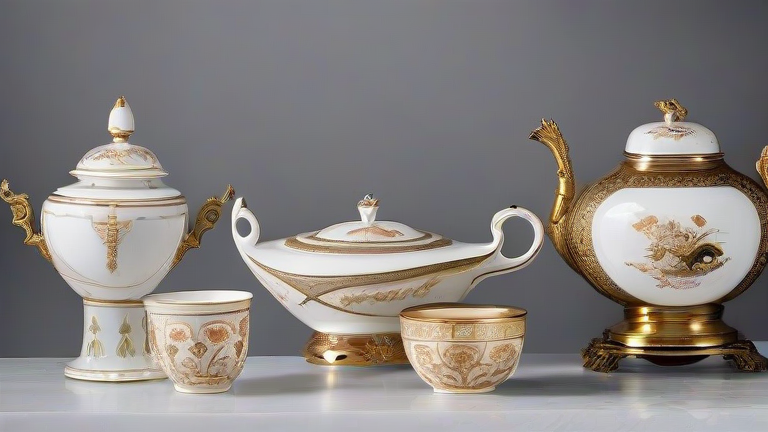
Porcelain History: Unveiling the Culture Behind the White Gold
TL;DR: Porcelain originated in China during the Tang Dynasty, representing a millennium of technological secrecy and imperial prestige. Its global spread transformed it from a royal luxury into a symbol of refined taste and cross-cultural artistic exchange.
Step into any high-end museum or a traditional tea house, and you will immediately sense the allure of porcelain. Often referred to as “white gold” due to its historical value and purity, this material is far more than just a vessel for tea or coffee. It is a tangible record of human ingenuity, trade routes, and shifting social values. Understanding its history is essential for anyone interested in the deeper currents of global culture and lifestyle.
If you want to dig deeper, check out our guide on Porcelain History: 7 Ways Ancient Craft Shapes Modern Lifest.
The Mystery of the East
For centuries, the production of true porcelain was a closely guarded secret in China. Unlike earthenware or stoneware, porcelain is fired at extremely high temperatures, resulting in a material that is translucent, resonant, and incredibly durable. This technical mastery was not just industrial; it was cultural. The white surface served as a canvas for intricate blue-and-white designs, often featuring dragons, phoenixes, and landscapes that reflected Confucian ideals of harmony and order. To the outside world, this material seemed almost magical, capable of holding hot liquids without cracking while remaining light enough to feel like air.
Trade, Taste, and Transformation
As the Silk Road and maritime trade routes expanded, porcelain began its journey westward. In Europe, the arrival of these delicate wares sparked a frenzy. For the aristocracy, owning a set of Chinese porcelain was a powerful status symbol, denoting wealth and global connections. This demand drove the spice trade and eventually the colonization of parts of Asia. However, the story does not end with consumption. European artisans, particularly in Germany and France, worked tirelessly to replicate the Chinese method. When Meissen porcelain was successfully created in the early 18th century, it marked a pivotal moment. It was no longer just about importing exotic goods; it was about localizing the culture. European potters began to adapt the forms, creating their own distinct styles that reflected local tastes while honoring the Asian origins.
Porcelain in the Modern Lifestyle
Today, porcelain remains a cornerstone of sophisticated living. In the culinary world, the choice of tableware can significantly enhance the dining experience. A high-quality porcelain plate retains heat better and presents food with a clarity that glass or plastic cannot match. This is why fine dining establishments prioritize it. Moreover, porcelain has transcended the kitchen to become a medium for artistic expression. Contemporary artists use it to create sculptures and installations that challenge traditional perceptions of fragility and strength. For the modern consumer, choosing porcelain is often a conscious decision toward sustainability and quality. Unlike disposable items, a well-crafted porcelain piece can last for generations, becoming a family heirloom that carries its own history.
The culture behind white gold is one of continuous adaptation. It reminds us that luxury is not just about price, but about the story and craftsmanship embedded in the object. Whether you are sipping tea from a centuries-old Chinese cup or using a modern European design, you are participating in a global narrative that spans continents and centuries.
FAQ
Q: What makes porcelain different from regular ceramic?
A: Porcelain is made from kaolin clay and fired at much higher temperatures, making it denser, whiter, and more translucent than standard ceramics.
Q: Is porcelain considered a sustainable choice for daily use?
A: Yes, because of its exceptional durability and longevity, porcelain has a lower environmental impact over time compared to disposable alternatives.
Q: How should I care for antique porcelain items?
A: Handle with clean, dry hands, wash gently with lukewarm water and mild soap, and avoid sudden temperature changes to prevent thermal shock and cracking.
Leave a Reply