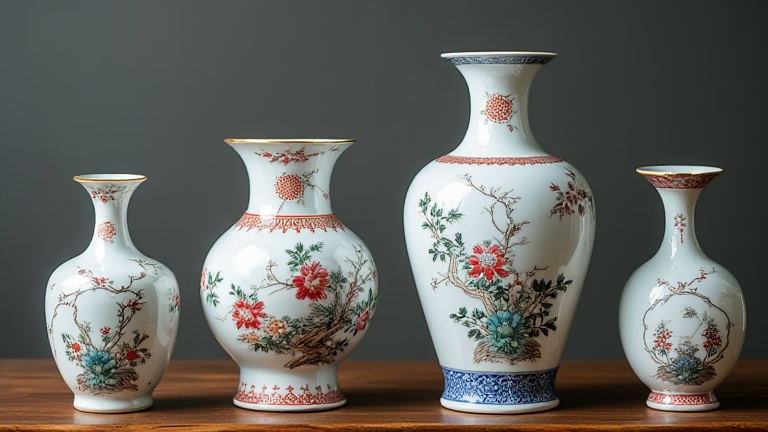
TL;DR: This comprehensive guide explores the rich historical lineage and cultural significance of porcelain, offering deep insights into its manufacturing evolution and artistic value. It serves as an essential resource for collectors, historians, and enthusiasts seeking to understand the material’s profound impact on global trade and aesthetics.
Unveiling the White Gold
Porcelain, often referred to as “white gold,” has captivated the human imagination for over a millennium. Originating in China, this unique ceramic material became a symbol of status, purity, and artistic excellence. Understanding the history of porcelain is not merely about studying clay and fire; it is about tracing the threads of global commerce, diplomatic exchange, and cultural fusion that shaped the modern world. This article delves into the key aspects of porcelain history and culture, providing a complete guide for anyone interested in this fascinating field.
If you want to dig deeper, check out our guide on Porcelain History & Culture: A Guide to Fine China.
Key Historical Features
The journey of porcelain began in the Tang Dynasty, where the first true hard-paste porcelain was produced. Its key feature was its translucency and fine, white body, which distinguished it from earlier earthenware. As time progressed, the Song Dynasty refined the glazes, introducing subtle colors and textures that elevated porcelain to an art form. The Ming Dynasty is particularly notable for its blue-and-white designs, which became a global icon. These features highlight the technological advancements in kiln temperatures and clay purification that defined the material’s evolution.
Cultural Significance and Global Impact
Porcelain was not just a domestic luxury; it was a global commodity. The “Porcelain Roads” connected China to the Middle East, Europe, and beyond. In Europe, the desire for Chinese porcelain led to significant cultural exchanges and, eventually, the development of local porcelain industries in places like Meissen and Sèvres. These European adaptations introduced different aesthetic sensibilities, such as intricate floral patterns and royal portraits, blending local traditions with the foundational techniques learned from the East. This cross-cultural pollination is a critical aspect of porcelain history, showing how a single material can inspire diverse artistic traditions worldwide.
Comparison of Major Traditions
When comparing major porcelain traditions, distinct differences emerge. Chinese porcelain is often characterized by its elegance, minimalism, and mastery of color, particularly in blue-and-white and famille rose styles. In contrast, European porcelain, particularly from Germany and France, tends to be more ornate, featuring heavy gilding, detailed figurines, and vibrant polychrome decoration. Japanese porcelain, such as Imari and Arita, offers a unique blend of Chinese influences and native aesthetics, known for its bold reds and intricate gold accents. Understanding these distinctions helps collectors appreciate the unique cultural narratives embedded in each piece.
Why Choose This Guide?
This guide is designed to provide a holistic view of porcelain, combining historical facts with cultural context. It is ideal for beginners looking to enter the field of collecting or for students seeking a deeper understanding of material culture. By focusing on both the technical and artistic aspects, it offers a balanced perspective that honors the craftsmanship and the stories behind the objects.
Call to Action
Dive deeper into the world of porcelain by exploring our extensive collection of resources and expert analyses. Whether you are a seasoned collector or a curious novice, this guide is your first step toward mastering the history and culture of this remarkable material. Start your journey today and discover the stories hidden in every shard and glaze.
FAQ
Q: What is the primary difference between stoneware and porcelain?
A: Porcelain is made from kaolin clay and fired at higher temperatures, resulting in a harder, more translucent, and less porous material compared to stoneware.
Q: Why was Chinese porcelain so highly valued in Europe?
A: European aristocracy valued it for its rarity, beauty, and association with exotic Eastern luxury, which elevated social status and displayed wealth.
Q: How can I identify authentic antique porcelain?
A: Examine the base for maker’s marks, check for consistent gl
Leave a Reply