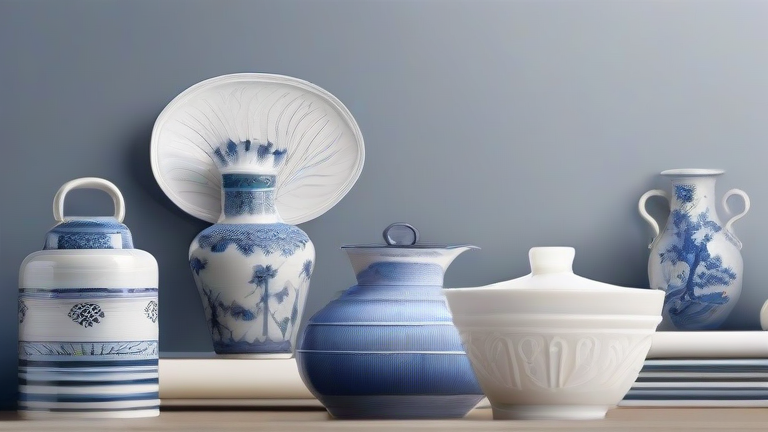
Porcelain History & Culture: A Business Guide
TL;DR: The global porcelain market thrives on the intersection of historical heritage and modern luxury, driven by collectors and high-end interior designers. Success requires leveraging authentic cultural narratives to differentiate products in a saturated craft sector.
Market Analysis
The porcelain industry has evolved from a purely utilitarian trade into a significant segment of the luxury goods and art markets. Historically, porcelain was a symbol of status and power, particularly in China and Europe, where it was known as “white gold.” Today, the market is segmented into three primary categories: functional tableware, decorative art objects, and high-end collectibles. The functional sector is highly competitive, dominated by mass-produced items from Asia, which puts pressure on margins for traditional artisans. However, the luxury and collectible sectors offer significantly higher profit margins due to scarcity, brand heritage, and artisanal value. Consumer trends indicate a shift towards “slow living” and sustainable consumption, favoring handmade, durable, and culturally rich products over disposable fast fashion. Furthermore, the rise of e-commerce platforms has democratized access to niche artisanal goods, allowing small-scale producers to reach global audiences without the need for expensive physical retail space. Understanding these dynamics is crucial for any business entering this space, as the value proposition must clearly distinguish between mass-market utility and exclusive cultural significance.
If you want to dig deeper, check out our guide on Porcelain History: How Business Shaped China’s Cultural Icon.
Strategy Insights
To succeed in the porcelain business, companies must adopt a strategy centered on storytelling and brand authenticity. The history of porcelain is rich with cultural narratives, from the Ming Dynasty kilns to the Meissen factories of Germany. Businesses should leverage these historical connections to create a compelling brand identity. For example, emphasizing the specific origin of the clay, the traditional firing techniques used, or the lineage of the artisans can add substantial perceived value. Collaboration with interior designers and architects is another effective strategy, as porcelain is increasingly used in high-end residential and commercial projects. Partnerships with museums and cultural institutions can also enhance credibility and provide access to sophisticated customer bases. Digital marketing should focus on visual storytelling, showcasing the intricate craftsmanship and historical context of each piece. Additionally, limited edition releases can create urgency and exclusivity, appealing to collectors. It is essential to maintain transparency regarding the production process to build trust with consumers who are increasingly concerned about ethical sourcing and labor practices. By positioning porcelain not just as a product, but as a piece of living history, businesses can command premium prices and foster long-term customer loyalty.
Case Studies
One notable success story is that of a small studio in Jingdezhen, China, which revitalized its business by focusing on “museum-grade” reproduction techniques for contemporary designs. By collaborating with modern artists to create unique, limited-edition plates and vases, the studio attracted a global clientele of interior designers and art collectors. Another example is a European brand that partnered with a historic train company to create a series of commemorative teaware, linking the product to the cultural heritage of travel and hospitality. These case studies demonstrate that the key to profitability lies in innovation within tradition. By respecting the historical roots of the craft while introducing modern aesthetics and distribution channels, businesses can bridge the gap between old-world charm and new-world demand. The common thread in these successes is a deep respect for the cultural significance of the material, which resonates with consumers seeking meaning and quality in their purchases.
FAQ
Q: What is the primary driver of value in the porcelain market?
A: The primary drivers of value are historical provenance, artisanal craftsmanship, and brand storytelling, which distinguish luxury pieces from mass-produced goods.
Q: How can small businesses compete with mass-produced porcelain?
A: Small businesses can compete by focusing on niche markets, limited editions, and authentic cultural narratives that mass producers cannot easily replicate.
Q: Is there a growing demand for sustainable porcelain products?
A: Yes, there is a growing demand for sustainable and ethically produced porcelain, as consumers increasingly prioritize environmental responsibility and fair labor practices in their purchasing decisions.
Leave a Reply