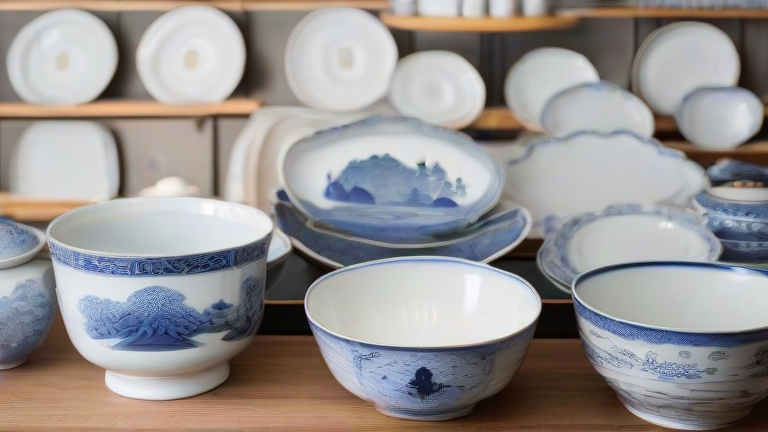
TL;DR: Porcelain is a high-fired ceramic born in China around 600–900 CE, prized for its translucency, hardness, and white body. This guide walks you through its dynastic origins, global trade routes, and how to identify and appreciate porcelain as a cultural artifact today.
Step 1: Understand the Core Material Difference
Porcelain is not just “white pottery.” It is fired at 1,200–1,400°C, causing the kaolin clay and petuntse (feldspar) to vitrify—turn glass-like. Unlike earthenware, it is non-porous without glaze, and you can see light through thin edges. For a beginner, remember three tests: ring (a clear, metallic ping when tapped), translucency (hold to light), and hardness (cannot be scratched by a steel knife).
If you want to dig deeper, check out our guide on Porcelain History: 10 Cultural Secrets Behind China’s White .
Step 2: Map the Dynastic Timeline (China’s Gift)
Start with the Tang dynasty (618–907)—the first true porcelain, though greyish. Move to the Song dynasty (960–1279), when celadon and qingbai (blue-white) wares became imperial masterpieces. The Yuan dynasty (1271–1368) introduced cobalt blue underglaze—the famous “blue and white.” The Ming dynasty (1368–1644) perfected it, and the Qing dynasty (1644–1912) produced famille rose and incredibly thin “egg-shell” porcelain. Tip: Always identify the reign mark on the base (e.g., “大明宣德年制”) but remember many are later reproductions.
Step 3: Trace the Global Cultural Exchange
Porcelain was the original global luxury. The Silk Road and maritime routes carried it to the Middle East by the 9th century, where Islamic potters tried to imitate it. In the 16th century, Portuguese traders brought it to Europe, sparking a craze. The Dutch East India Company shipped millions of pieces, and by 1708, Johann Böttger at Meissen, Germany, cracked the formula—creating European hard-paste porcelain. Later, Sèvres (France), Wedgwood (England), and Royal Copenhagen (Denmark) built national styles. Tip: Look for “soft-paste” European porcelain (fired lower, with glass frit) before 1700—it chips more easily.
Step 4: Learn to Read Cultural Symbols and Motifs
Porcelain is a visual language. Dragons (imperial power, five claws = emperor), phoenixes (empress, harmony), peonies (wealth), lotus (purity), and fish (abundance) are Chinese staples. In European wares, pastoral scenes, chinoiserie (fake-Chinese figures), and botanical studies reflect colonial curiosity. Tip: Learn the “Eight Treasures” (babao) motif—vase, conch, umbrella, etc.—used in Buddhist-influenced wares.
Step 5: Start Collecting on a Budget
Don’t chase antique Ming vases at auctions. Instead, buy reproduction shards (broken pieces from kiln sites, often sold for $5–20) to practice touch and glaze feel. Visit museum collections online (e.g., the Met or the British Museum) to train your eye. For physical pieces, target 19th-century “export porcelain” (made for Western markets) or studio pottery from modern artisans—both are affordable and historically rich. Tip: Always ask for provenance (history of ownership) if buying antique; otherwise, assume it’s a modern
Leave a Reply