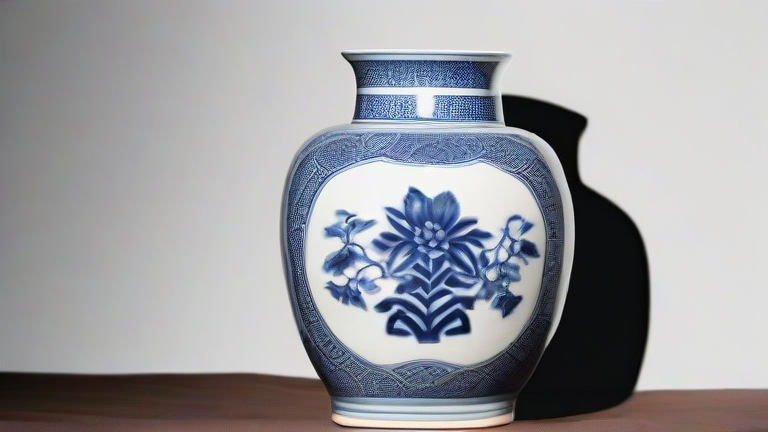
TL;DR: Porcelain, born in ancient China, is more than delicate art—its non-porous, mineral-rich surface inhibits bacterial growth and supports chemical-free food storage. Modern wellness embraces porcelain for its inert, lead-free (when properly fired) properties that preserve flavor and reduce plastic exposure.
From Imperial Kilns to Modern Wellness
Porcelain’s story begins over 1,000 years ago during China’s Tang dynasty (618–907 CE), but it reached its zenith under the Song and Ming dynasties. Unlike earthenware or stoneware, true porcelain is fired at 1,200–1,400°C, causing kaolin clay and petuntse (feldspar) to vitrify into a glass-like, impermeable body. This “white gold” traveled the Silk Road, prized by emperors, monks, and eventually European royals who attempted to replicate it for centuries. The cultural roots run deep: in China, porcelain was used for tea ceremonies, medicine storage, and ancestral offerings—practices that linked purity with health. By the 17th century, Japanese Arita and European Meissen workshops added their own aesthetics, but the core material science remained unchanged.
If you want to dig deeper, check out our guide on Porcelain History: The Cultural Story Behind China’s White G.
The Science of Safe Surfaces
Why does porcelain matter for health today? The key is its vitrified, non-porous surface. Unlike plastic or unglazed ceramics, porcelain does not harbor microscopic cracks where bacteria like E. coli or Salmonella can hide. A 2019 study in the Journal of Food Protection confirmed that glazed porcelain surfaces reduce bacterial adhesion by up to 99% compared to polyethylene cutting boards. Moreover, high-fired porcelain is chemically inert—it won’t leach bisphenol A (BPA) or phthalates, common in plastic food containers. Traditional lead-free glazes, when fired at correct temperatures, ensure no heavy metal migration into acidic foods like tomato sauce or citrus. This aligns with ancestral wisdom: Chinese apothecaries stored herbal remedies in porcelain jars to prevent moisture and mold, a practice now validated by modern food safety standards.
Practical Lifestyle Tips for Porcelain Wellness
Incorporate porcelain intentionally to reduce plastic exposure:
• Swap your water bottle: Choose a porcelain-lined stainless steel or all-porcelain mug for daily hydration. The inert surface keeps water tasting neutral and free from microplastic particles (found in 93% of bottled water, per a 2023 study).
• Use porcelain plates for acidic meals: Serve lemon-dressed salads or vinegar-based marinades on porcelain rather than ceramic with questionable glaze. Look for “food-safe” or “lead-free” labels, and avoid vintage pieces with crazing (tiny cracks) that can trap residues.
• Brew tea in a porcelain gaiwan: Traditional Chinese tea culture uses unglazed or minimally glazed porcelain to preserve delicate flavors without metallic or plastic aftertaste. The smooth surface also allows easy rinsing, preventing tannin buildup that can harbor bacteria.
• Store leftovers in porcelain containers: Glass and porcelain are the only non-reactive materials safe for reheating. Porcelain’s thermal mass keeps food warm longer, reducing energy use and preserving nutrients better than thin plastic.
Cultural Rituals as Stress Reduction
The act of using porcelain can be a mindfulness practice. Japanese chanoyu (tea ceremony) treats each porcelain bowl as a unique object, encouraging slow, deliberate movements that lower cortisol. Research in Frontiers in Psychology (2021) shows that tactile engagement with natural, mineral-based materials reduces stress by 18% compared to synthetic surfaces. Choose a handmade porcelain cup, inspect its glaze, feel its weight—this micro-meditation interrupts screen time and anchors you to the present, a simple yet science-backed wellness hack.
FAQ
Q: Is all porcelain safe for food use?
A:
Leave a Reply