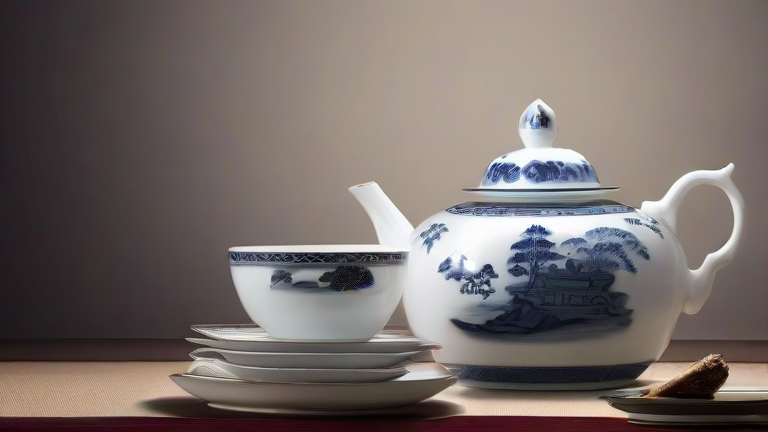
TL;DR: Porcelain is a high-fired ceramic material originated in China, evolving through the Silk Road to become a global symbol of refinement. This guide explores its historical journey from ancient kilns to modern tea culture, helping beginners appreciate its artistic and social significance.
Understanding the Origins
To begin your journey, understand that porcelain is distinct from other ceramics due to its translucency and durability. It was first mastered in the Tang Dynasty in China, often called “white gold.” Learn about the specific clay deposits, known as kaolin, and the feldspar mixture that allows for high-temperature firing. Study the difference between true porcelain and earthenware by observing how light passes through thin shards. This foundational knowledge helps you identify authentic pieces when visiting museums or antique shops. Focus on the technical aspects of glazing, which creates the smooth, glassy surface that protects the body and enhances its aesthetic appeal.
If you want to dig deeper, check out our guide on Porcelain History: Unveiling the Culture Behind the Blue and.
Tracing the Silk Road
Next, trace the trade routes that spread porcelain across Asia and into Europe. Examine how Arab intermediaries initially traded Chinese ceramics to the West, sparking a craze for blue-and-white designs. Investigate how European potters, such as those in Delft, Netherlands, attempted to imitate Chinese styles before Germany’s Meissen factory successfully created hard-paste porcelain in 1708. This historical context explains why certain patterns, like cobalt blue dragons or floral motifs, hold significant cultural weight. Look for artifacts from these periods to understand the cross-cultural exchange of artistic techniques and aesthetic preferences.
Porcelain in Tea Culture
Finally, explore the intimate relationship between porcelain and tea. In East Asian culture, the vessel is as important as the beverage. Learn why porcelain is preferred for tea tasting; its non-porous nature ensures no residual flavors interfere with the cup’s purity. Study the specific shapes of teacups, such as the small, handle-less gaiwan or the delicate Yixing-inspired porcelain forms. Understand the ritualistic aspects of serving tea, where the quality of the porcelain reflects the host’s respect for the guest. Practice selecting the right porcelain for different types of tea, noting how white porcelain highlights the clarity of green teas while darker glazes complement robust oolongs.
Practical Tips for Beginners
When acquiring pieces, always inspect for hairline cracks, which can weaken the structural integrity over time. Clean your porcelain gently with mild soap and lukewarm water, avoiding abrasive scrubbers that might dull the glaze. Store delicate items in padded containers to prevent chipping. Join local ceramics clubs or online forums to share findings and connect with collectors. By combining historical knowledge with practical care, you deepen your appreciation for this timeless art form. Remember that each piece carries a narrative of craftsmanship and cultural exchange, making every sip a connection to history.
FAQ
Q: How can I tell if a piece is antique porcelain?
A: Look for maker’s marks, the weight of the item, and signs of wear like crazing or glaze loss, though professional appraisal is recommended.
Q: Is porcelain safe for microwave use?
A: Most modern porcelain is microwave-safe, but avoid pieces with metallic gold or silver trim, which can spark and cause damage.
Q: Why is blue-and-white porcelain so famous?
A: It originated in China and became highly prized in Europe for its elegant contrast, symbolizing luxury and cross-cultural artistic exchange.
Leave a Reply