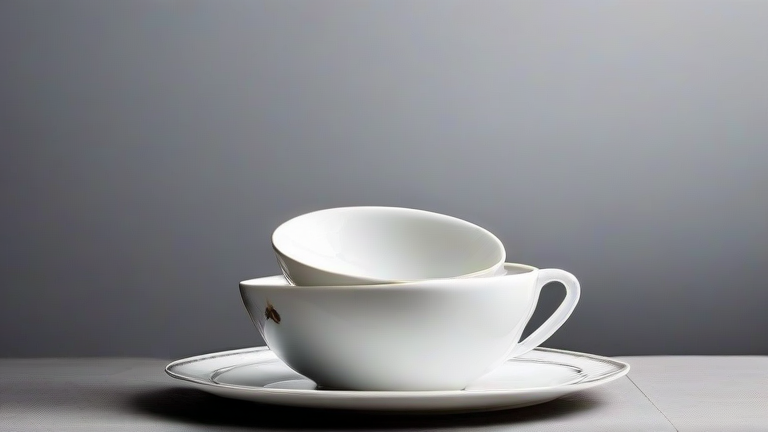
TL;DR: Porcelain is more than delicate china—it is a 1,000-year-old technological marvel that shaped global trade, art, and daily rituals. From Chinese kilns to your modern espresso cup, its journey mirrors humanity’s hunger for beauty, connection, and permanence.
The Fires of Jingdezhen: Where It All Began
Walk into any antique shop and you’ll feel it: the cool, translucent weight of a Ming vase or a Meissen figurine. But porcelain’s origin story is a detective tale of clay, kaolin, and fire. By the 7th century, Chinese artisans in Jingdezhen had cracked the code—firing a mix of white clay and feldspar at 1,300°C to create a material that was hard, glass-like, and, crucially, non-porous. The Silk Road carried these “white gold” pieces westward, where they were so prized that European royals would coat their walls in porcelain shards to mimic the look. Today, that same city still produces 70% of the world’s artisanal porcelain, a living museum of technique passed down through 40 generations. For the traveler, a visit to its ancient kilns is less a sightseeing stop than a pilgrimage—you can watch a master throw a pot that will outlive your grandchildren.
If you want to dig deeper, check out our guide on Porcelain History: 5 Key Facts About China’s White Gold.
Culture in a Cup: The Ritual of Tea and Table
Porcelain is not just object; it’s behavior. In Japan, the tea ceremony elevates a humble bowl to a spiritual anchor, where the irregular glaze of a Hagi-yaki cup is celebrated as wabi-sabi—the beauty of imperfection. In England, the 18th-century craze for “china” birthed the ritual of afternoon tea, turning a functional pot into a social stage. And in modern homes, that vintage Limoges plate isn’t just for serving—it’s a memory anchor, the dish your grandmother used for Sunday roasts. This cultural weight is why we still crave porcelain: it holds not just food, but time. When you run your finger over a hand-painted cobalt rim, you’re touching the same pigment that once sailed from Persia to Canton, a tangible link to a global conversation that predates the internet.
Modern Life, Ancient Material
Today, porcelain has shed its museum dust. Designers are fusing it with 3D printing, creating bone-thin lattices impossible by hand. Chefs use porcelain slabs as serving boards, and your morning flat-white sits in a double-walled porcelain cup that keeps heat without burning your palm—a feat of modern engineering that still honors the original recipe. For personal growth, the lesson is subtle: porcelain teaches patience. It demands slow drying, careful glazing, and a tolerance for cracks (which Japanese artisans repair with gold, called kintsugi). In a world of disposable ceramics, choosing porcelain—or even just repairing a chipped bowl—is a quiet act of rebellion. It says: some things are worth the fire.
FAQ
Q: What is the difference between porcelain and ceramic?
A: All porcelain is ceramic, but not all ceramic is porcelain. Porcelain uses finer clay (kaolin) and fires at higher temperatures, making it denser, more translucent, and less porous than standard earthenware or stoneware.
Q: How can I tell if a piece is genuine antique porcelain?
A: Look for translucency—hold it to light; true porcelain glows faintly. Check the unglazed foot rim for a white, granular texture. Also, tap it: porcelain rings with a clear, metallic ping, whereas pottery thuds.
Q: Is it safe to put porcelain in the microwave and dishwasher?
A: Generally yes, if it has no metallic trim (gold or platinum). But hand-washing is gentler on hand-painted or antique pieces. Avoid sudden temperature shocks—don’t put a cold porcelain dish directly into a hot oven, as it can crack.
Leave a Reply