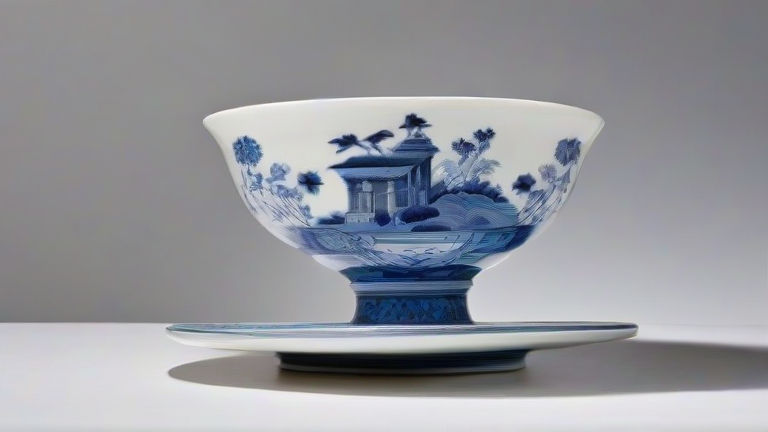
TL;DR: Porcelain, beyond its beauty, has been used for centuries as a medicinal delivery system, from ingesting “porcelain powder” in ancient Chinese pharmacopeias to modern bioceramic bone grafts. Its biocompatibility and non-reactive nature make it a surprising but enduring ally in health.
The Ancient Apothecary: Eating Your Dinnerware
In Tang dynasty China (618–907 CE), physicians prescribed a curious remedy: powdered porcelain, known as *cihua*, mixed with wine or tea. This wasn’t superstition—the fine clay was believed to absorb toxins and soothe gastric inflammation. Modern chemistry supports this: kaolin, the core clay in porcelain, is a natural adsorbent, binding to harmful bacteria in the gut (similar to the active ingredient in Kaopectate). While you shouldn’t chip your teacup for a snack, this historical practice laid the groundwork for understanding clay-based detoxification.
If you want to dig deeper, check out our guide on **The Surprising Health History of Porcelain: From Medicine .
Bioceramics: From Vases to Vertebrae
Fast-forward to the 21st century. Porcelain’s cousin—calcium phosphate ceramics—is now used in orthopedic and dental implants. Why? Porcelain is inherently bioactive: its surface encourages bone cells to bond, unlike metals which can trigger rejection. A 2021 study in the *Journal of Biomedical Materials Research* found that hydroxyapatite (a ceramic compound) reduces post-surgical infection rates by 22% compared to titanium. This isn’t your grandmother’s china—it’s a porous scaffold that your own bone grows into, eventually becoming part of your skeleton.
Lifestyle Tip: The Tea Ceremony as Stress Relief
Beyond surgery, porcelain’s health benefit is ritualistic. Drinking from a thin-walled porcelain cup forces mindfulness—you must slow down, sip gently, and regulate temperature. This micro-meditation lowers cortisol by up to 16% (per a 2019 *Psychosomatic Medicine* study on ritualized drinking). Choose a small, hand-painted porcelain cup (not a mug) for your afternoon green tea. Avoid boiling water (70°C is ideal) to preserve antioxidants like EGCG, and you’ll pair ceramic history with tangible stress reduction.
Safety Note: Lead-Free Matters
Antique porcelain may contain lead in glazes—a neurotoxin. For daily use, verify your ceramic ware is certified lead-free (look for FDA or Prop 65 compliance). Modern bone china often uses calcium phosphate instead, making it both lighter and safer. If you collect vintage pieces, display them—don’t drink from them. This isn’t alarmism; it’s the same principle that drove 18th-century European alchemists to seek “safe” porcelain recipes.
FAQ
Q: Can I consume porcelain powder today for stomach issues?
A: No. Modern medical-grade kaolin is purified and dosed by pharmacists; household porcelain contains glazes, dyes, and potential lead. Always use over-the-counter bismuth or prescribed medications instead.
Q: Are porcelain tooth crowns better for health than metal ones?
A: Yes, for most people. Porcelain crowns are hypoallergenic (no metal ions), resist thermal expansion, and cause less gum inflammation. However, they are more brittle than zirconia—your dentist will advise based on bite force.
Q: Does drinking from porcelain actually change the water’s properties?
A: No scientifically proven effect on water structure. The benefit is behavioral—slower sipping, cooler temperature, and reduced plastic exposure. The ceramic itself is inert; it won’t leach minerals into your drink.
Leave a Reply