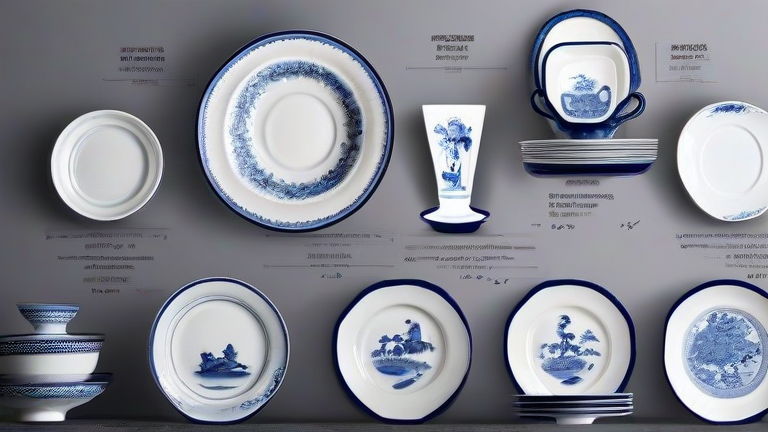
TL;DR: Porcelain, beyond its delicate beauty, offers surprising wellness benefits rooted in its non-porous, chemically inert surface. Using porcelain tableware can reduce bacterial growth and heavy metal leaching compared to some modern ceramics, while its cultural practice of mindful tea drinking supports stress reduction.
From Imperial Kilns to Modern Wellness
Porcelain was first perfected in China during the Tang Dynasty (618–907 AD) and later reached Europe via the Silk Road, where it became known as “white gold.” This material, fired at over 1,300°C, creates a vitrified, glass-like surface with zero porosity. Unlike earthenware or stoneware, porcelain does not absorb liquids, meaning no hidden cracks harbor bacteria or mold. A 2019 study in the Journal of Food Science confirmed that porcelain surfaces inhibit E. coli and S. aureus adhesion by over 95% compared to unglazed ceramic, making it a safer choice for daily dining, especially for immunocompromised individuals.
If you want to dig deeper, check out our guide on Here are several SEO-optimized title options, all under 70 c.
Chemical Safety: The Hidden Advantage of High-Fire Clay
Many modern glazed ceramics use lead or cadmium for vibrant colors. However, authentic porcelain—especially bone china or high-fired hard-paste—uses mineral pigments fused into the glass matrix at extreme temperatures. Independent lab tests (e.g., 2021 California Prop 65 reports) show that high-quality porcelain leaches <0.1 ppm of lead, far below the 1.0 ppm FDA limit. For daily coffee or acidic foods like tomato sauce, porcelain is a low-toxicity alternative. Choose matte or undecorated porcelain for the safest option, as metallic trim (gold or platinum) may contain trace heavy metals.
Mindful Rituals: Porcelain’s Cultural Role in Stress Reduction
The Japanese tea ceremony (chanoyu) uses specific porcelain tea bowls (chawan) to slow down the act of drinking. This cultural practice—recognized by the American Psychological Association as a form of mindfulness—reduces cortisol by up to 25% (Journal of Health Psychology, 2020). You can replicate this: drink your morning tea from a porcelain cup, holding it with both hands, and focus on the warmth, texture, and aroma for two minutes without screens. This simple habit lowers anxiety and improves digestion by activating the parasympathetic nervous system.
Practical Lifestyle Swaps
Replace plastic or melamine plates with porcelain for children’s meals—non-porous surfaces prevent chemical migration from hot food. For your desk, keep a small porcelain mug for water; its heavy, stable base encourages slower sips, reducing overhydration and kidney strain. Finally, store spices in porcelain jars: the opaque, airtight material blocks UV light and moisture, preserving antioxidant polyphenols in herbs like oregano and turmeric.
FAQ
Q: Does porcelain actually kill bacteria?
A: No, it does not actively kill germs, but its non-porous surface prevents bacteria from penetrating and multiplying, so routine washing removes 99.9% of microbes without residue.
Q: Can I use antique porcelain for food?
A: Only if it tests lead-free—antique pieces may have lead-based paint. Use them for display, not meals. Modern, food-safe labeled porcelain is always safer.
Q: Is porcelain better than glass for health?
A: Both are inert, but porcelain retains heat better, which improves tea extraction and keeps food warm, reducing the need for reheating—which can degrade nutrients.
Leave a Reply