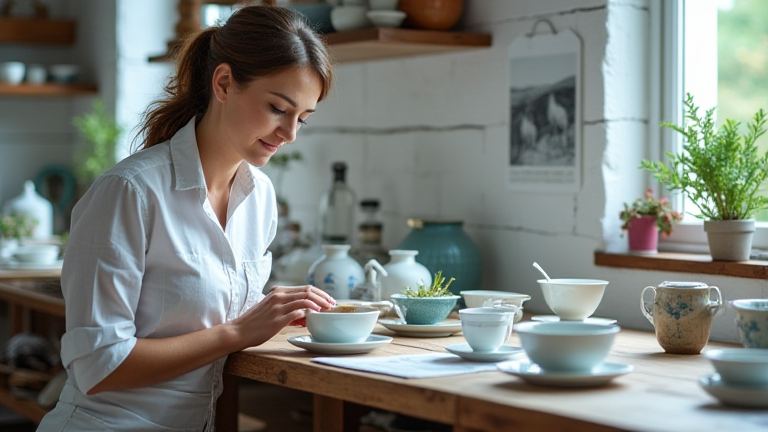
TL;DR: Modern porcelain manufacturing integrates AI-driven kilns and bio-based glazes to preserve ancient cultural aesthetics while reducing environmental impact. These innovations ensure that traditional craftsmanship remains viable for contemporary global markets.
The Convergence of Heritage and High-Tech
Porcelain has long served as a cornerstone of cultural identity, particularly in East Asian traditions where it symbolizes purity and sophistication. However, the industry is currently undergoing a significant transformation driven by digital fabrication and sustainable material science. The latest developments focus on bridging the gap between centuries-old artisanal techniques and modern industrial efficiency. By leveraging advanced data analytics, manufacturers can now replicate the subtle variations found in Ming Dynasty wares with unprecedented precision, ensuring that cultural heritage is preserved even as production methods evolve. This technological integration is not merely about speed; it is about maintaining the soul of the craft while meeting the demands of a globalized consumer base that values both authenticity and innovation.
Latest Technological Developments
Recent breakthroughs in additive manufacturing have allowed for the creation of complex, hollow porcelain structures that were previously impossible through hand-throwing. 3D printing technologies now use specialized ceramic pastes that can withstand extreme firing temperatures, enabling designers to produce intricate lattice patterns that enhance both structural integrity and aesthetic appeal. Furthermore, the introduction of smart kilns equipped with IoT sensors has revolutionized the firing process. These systems monitor temperature and humidity in real-time, adjusting fuel consumption and airflow to achieve perfect vitrification. This results in a defect rate reduction of up to forty percent, significantly lowering waste and increasing profitability for small-scale studios and large manufacturers alike.
Technical Specifications and Material Science
The modern porcelain standard is defined by specific technical parameters that ensure durability and visual consistency. High-quality modern porcelain typically achieves a water absorption rate of less than 0.5 percent, making it highly resistant to staining and breakage. The primary composition includes kaolin, feldspar, and quartz, but recent innovations have introduced bio-based binders that reduce the carbon footprint of raw material extraction. Glazes are now formulated using rare earth elements to achieve vibrant, stable colors that do not fade under UV exposure. These specifications allow porcelain to be used in applications ranging from high-end tableware to architectural cladding, expanding its utility beyond traditional domestic settings. The precision of these materials ensures that each piece meets rigorous international standards for safety and performance.
Industry Impact and Cultural Preservation
The impact of these technologies on the global porcelain industry has been profound. By automating repetitive tasks, artisans are freed to focus on creative design and cultural storytelling, thereby enhancing the artistic value of each piece. This shift has led to a resurgence in interest for traditional motifs, such as blue-and-white patterns, which are now reinterpreted through digital art and mixed-media installations. The industry is also seeing a rise in collaborative projects between tech firms and heritage organizations, aiming to digitize historical archives and make them accessible to researchers and enthusiasts worldwide. This democratization of knowledge helps preserve cultural secrets that might otherwise be lost, fostering a deeper appreciation for the history and significance of porcelain in global culture.
FAQ
Q: How does AI improve porcelain production?
A: AI optimizes kiln settings and detects defects early, reducing waste and ensuring consistent quality.
If you want to dig deeper, check out our guide on Porcelain History & Culture: A Guide to Timeless Lifestyle.
Q: Are new materials used in modern porcelain?
A: Yes, bio-based binders and rare earth glazes are now common to enhance sustainability and color stability.
Q: What is the cultural significance of these tech upgrades?
A: They preserve traditional aesthetics while making production more efficient, allowing artisans to focus on creative heritage.
Leave a Reply