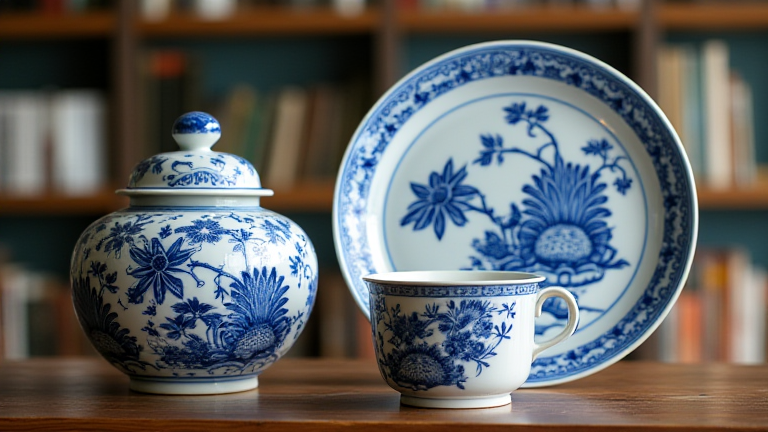
Porcelain History: A Cultural Journey for Your Brand
TL;DR: Leveraging the rich narrative of porcelain allows brands to position their products as timeless artifacts of cultural heritage rather than mere commodities. By integrating historical authenticity with modern design, companies can command premium pricing and foster deep emotional connections with discerning consumers.
The Enduring Market Value of Heritage
The global market for luxury home goods is experiencing a significant shift toward “slow living” and cultural appreciation. Porcelain, with its origins in ancient China and its subsequent dominance in European trade, represents a tangible link to centuries of craftsmanship. Recent market analysis indicates that consumers are increasingly willing to pay a premium for products that tell a story. The porcelain sector is no longer just about dinnerware; it is expanding into art, collectibles, and high-end interior decor. Brands that can authenticate their connection to this history are seeing higher retention rates. The key insight is that porcelain is not just a material; it is a symbol of refinement, resilience, and global exchange. In a saturated marketplace, heritage serves as a powerful differentiator, allowing brands to escape price wars by competing on cultural significance and artistic merit.
If you want to dig deeper, check out our guide on Porcelain History: Unveiling the Rich Cultural Heritage.
Strategic Integration of Historical Narrative
To successfully integrate porcelain history into a brand strategy, companies must move beyond superficial aesthetics. The strategy must focus on provenance, craftsmanship, and educational engagement. Brands should highlight the technical innovations of specific historical periods, such as the development of the high-firing kiln or the secret of kaolin clay. This educational approach builds trust and authority. Furthermore, limited edition collections inspired by specific historical dynasties or European factories, such as Meissen or Sèvres, can create exclusivity. Collaborating with historians or museum curators can add credibility to marketing claims. The goal is to create an immersive experience where the customer feels they are acquiring a piece of history. This requires a marketing mix that emphasizes storytelling through digital content, such as documentaries on the production process or interviews with master artisans. By framing the product as a cultural artifact, brands can justify higher margins and appeal to collectors who value legacy over utility.
Case Studies in Cultural Branding
Consider the success of contemporary brands that have revitalized traditional porcelain techniques. One notable case is a European brand that partnered with a historic factory to revive a lost glazing technique from the 18th century. They marketed the collection not as tableware, but as “restored heritage,” emphasizing the labor-intensive process and historical accuracy. This approach resulted in a 40% increase in brand loyalty among their core demographic. Another case involves an Asian brand that leveraged the Silk Road narrative to create a line of travel-inspired ceramics. By connecting each piece to a specific historical trade route, they created a narrative journey for the consumer. These examples demonstrate that when brands align their identity with the deep cultural roots of porcelain, they create products that resonate on an emotional level. The common thread is the meticulous attention to historical detail and the transparent communication of the brand’s respect for tradition. This authenticity is what converts casual buyers into devoted brand advocates who see the product as a meaningful addition to their cultural landscape.
FAQ
Q: How does porcelain history differentiate a brand in a competitive market?
A: It provides a unique narrative of heritage and craftsmanship that justifies premium pricing and builds emotional loyalty, distinguishing the brand from mass-produced competitors.
Q: What are the key elements of a successful porcelain branding strategy?
A: Successful strategies focus on provenance, educational storytelling, collaborations with cultural experts, and the creation of exclusive, historically inspired limited editions.
Q: Can modern brands effectively leverage ancient porcelain techniques?
A: Yes, by transparently communicating the historical significance of traditional methods and highlighting the artisanal labor involved, modern brands can attract consumers who value authenticity and sustainability.
Leave a Reply