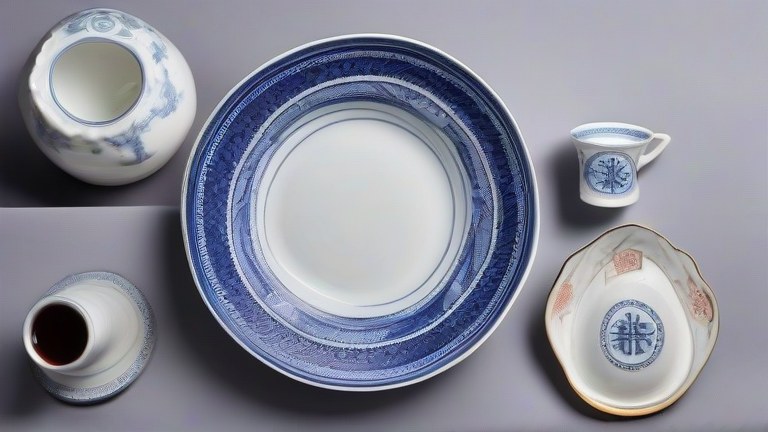
Porcelain History: A Cultural Journey Through Time
TL;DR: Porcelain evolved from Chinese secret manufacturing techniques into a global symbol of status and artistic achievement. Its journey reflects a profound cultural exchange that transformed dining, decoration, and personal expression across centuries.
For millennia, porcelain has been more than just a material; it has been a canvas for cultural identity and a testament to human ingenuity. The story of this “white gold” begins in China, where alchemists searching for the elixir of life accidentally discovered a process to create a hard, translucent, and resonant ceramic. This breakthrough, perfected during the Tang and Song dynasties, created an object of such rarity and beauty that it was initially reserved for the imperial court. Understanding the history of porcelain is like reading a biography of global trade, artistic evolution, and shifting social norms.
If you want to dig deeper, check out our guide on Porcelain History & Culture: A Business Guide.
The East: Origins of Perfection
In China, porcelain was not merely functional; it was philosophical. The pursuit of a perfect glaze and form mirrored the Confucian ideal of harmony and the Daoist appreciation for natural elegance. During the Ming Dynasty, the blue-and-white aesthetic emerged, utilizing cobalt imported from Persia. This fusion of Eastern craftsmanship and Western trade goods created a visual language that would soon captivate the world. The kilns of Jingdezhen became the heart of this industry, producing millions of pieces that flowed along the Silk Road and maritime routes, reaching as far as Europe.
The West: The Great Imitation
When porcelain reached Europe in the 16th century, it caused a sensation. It was lighter and more durable than the earthenware Europeans were accustomed to. However, the secret of its composition remained locked in China. For nearly two hundred years, European artisans struggled to replicate the material. They attempted to imitate the look using bone china, stoneware, and lead-glazed earthenware. The breakthrough finally came in the early 18th century when German alchemist Johann Böttger, working under the orders of the Elector of Saxony, cracked the code. This event gave rise to Meissen, the first true European porcelain factory, shifting the cultural narrative from mere imitation to innovation.
Cultural Impact and Modern Relevance
The arrival of European porcelain changed dining habits and social rituals. The delicate nature of the material required new etiquette, influencing how meals were served and consumed. It became a marker of social class, with elaborate dinner sets signaling wealth and refinement. Today, the legacy of porcelain persists in our daily lives. From the quiet elegance of a hand-thrown teacup to the bold, contemporary designs of modern art installations, porcelain continues to evolve. Collectors and enthusiasts today view these objects not just as items, but as historical artifacts that tell stories of trade, war, and artistic collaboration. Visiting museums or specialized shops allows one to physically connect with this history, touching the smooth, cool surface of a vessel that has traveled thousands of miles and centuries.
FAQ
Q: Why was porcelain considered so valuable in ancient times?
A: Its rarity, translucency, and the complex, closely guarded manufacturing process made it a luxury item reserved for royalty and the elite.
Q: What is the main difference between porcelain and regular ceramic?
A: Porcelain is fired at much higher temperatures, resulting in a denser, harder, and more translucent material that is less porous than standard ceramics.
Q: How can I care for antique porcelain items?
A: Handle with clean, dry hands, avoid sudden temperature changes, and clean gently with mild soap and lukewarm water to prevent damage to glazes.
Leave a Reply