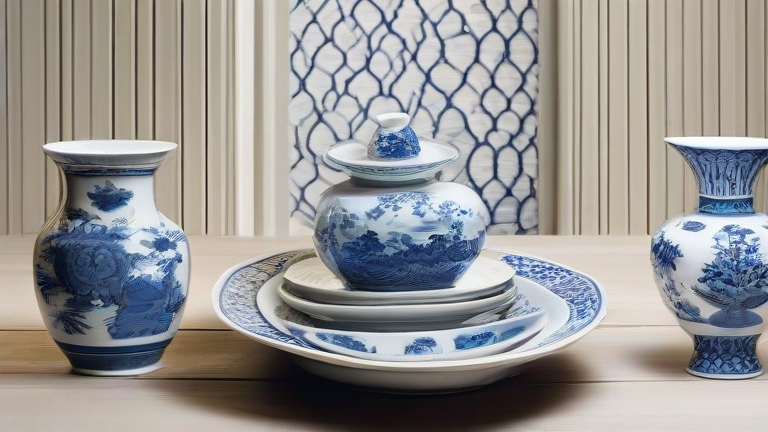
TL;DR: The blue-and-white porcelain era wasn’t just about ceramics—it was a lifestyle blueprint for mindfulness, slow living, and global curiosity. By adopting five habits from that period—like tea rituals, seasonal table settings, and the art of “wabi-sabi” repair—you can bring the calm, intentional elegance of Ming and Qing dynasty culture into your modern home.
1. The Tea Ritual: Slow Down Like a Ming Scholar
Blue-and-white porcelain was born for tea. During the Ming dynasty (1368–1644), the tiny, handle-less “gaiwan” bowls were not just vessels—they were instruments of meditation. The secret? The cobalt pigment didn’t just look beautiful; it masked the tannin stains of aged pu-erh, allowing scholars to focus on the aroma, not the aesthetics of dirt. Lifestyle secret: brew your tea in a porcelain cup, hold it with both hands, and take three slow sips before checking your phone. This forces a pause, a sensory reset that modern hustle culture desperately needs.
If you want to dig deeper, check out our guide on Porcelain History: 5 Lifestyle Tips from Centuries of Cerami.
2. The “Blue Hour” Table: Seasonal Eating, Visualized
In the 17th century, Dutch traders imported Chinese porcelain to Europe, where the blue patterns were called “Chinoiserie.” But the real cultural gem was the Chinese practice of seasonal tableware switching. In the Qing court, summer meals were served on thin, pale-blue porcelain to evoke coolness; winter meals used thicker, darker cobalt patterns to absorb heat. Lifestyle secret: rotate your plates and bowls by season. Use cool-toned ceramics for summer salads, warm-toned for winter stews. This isn’t just decoration—it’s a psychological cue to eat lighter or heartier, aligning your body with nature’s rhythm.
3. Kintsugi’s Cousin: The Porcelain Repair Philosophy
You’ve heard of kintsugi (golden joinery), but the blue-and-white tradition had its own repair ethic. When a prized porcelain piece cracked, Chinese artisans didn’t hide the break—they filled it with white lacquer mixed with crushed blue pigment, creating a spiderweb of sky-blue veins. They called it “sky repair,” believing a mended bowl held more stories than a flawless one. Lifestyle secret: when something breaks—a mug, a mirror, a friendship—don’t discard it. Repair it visibly and intentionally. The crack becomes your history, not your flaw.
4. The “Blue Map” Travel Mindset
Porcelain was the original global influencer. Blue-and-white ware traveled the Silk Road, and its patterns absorbed Persian arabesques, Indian lotus motifs, and even Dutch windmills. The secret? Ming-era potters didn’t copy—they remixed. They traveled mentally through trade routes without leaving their kilns. Lifestyle secret: adopt a “blue map” curiosity. When you can’t travel, study one foreign culture deeply—its food, its textile patterns, its tea ceremony—and let it subtly influence your daily decor or cooking. You become a cultural ambassador without a passport.
5. The Quiet Luxury of “Blue White” Space
Unlike flamboyant polychrome wares, blue-and-white porcelain was considered “quiet luxury” in its day. The Japanese called this aesthetic “shibui”—understated elegance that reveals depth over time. A single blue-and-white vase on a plain wooden table was worth more than a room full of gold. Lifestyle secret: declutter one surface in your home and place a single object—a bowl, a plate, a jar—with a blue-and-white pattern. Then, leave it alone. Let it carry the room’s energy. This practice trains you to appreciate restraint, a counterbalance to overconsumption.
FAQ
Q: Is blue-and-white porcelain safe to use for daily meals, or is it only decorative?
A: Modern food-safe blue-and-white porcelain is perfectly safe—the cobalt pigment is fired at high temperatures, making it non-toxic. Pre-20th-century antiques may
Leave a Reply