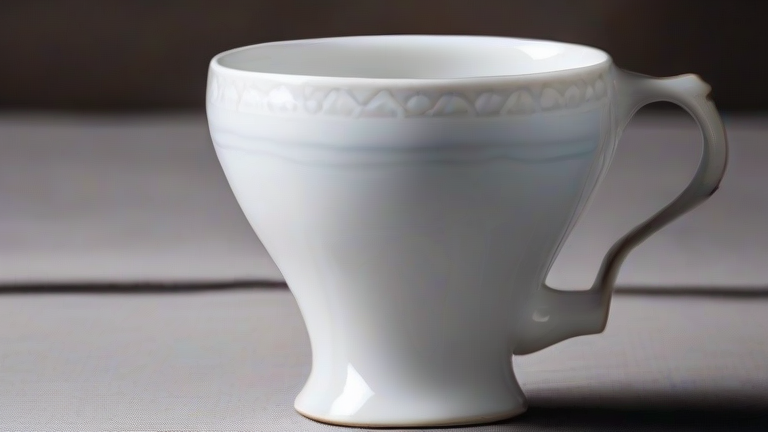
TL;DR: Porcelain, far beyond its delicate beauty, offers tangible health benefits rooted in its unique material properties and cultural usage traditions. From reducing bacterial growth to supporting mindful eating, integrating porcelain into your daily rituals can improve both physical and mental well-being.
Porcelain’s Hygienic Edge: Fewer Germs, Better Health
Unlike porous earthenware or plastic, high-fired porcelain (vitrified at over 1,300°C) has a non-porous, glass-like surface. This means it does not harbor moisture, oils, or bacteria in microscopic cracks. A 2016 study in the Journal of Food Protection found that bacterial adhesion on glazed ceramic surfaces was significantly lower than on polyethylene or wood. For your morning mug or dinner plate, this translates to fewer pathogens entering your food. Tip: Replace scratched plastic or worn wooden cutting boards with porcelain or ceramic plates for raw meat prep—you’ll reduce cross-contamination risk without chemical cleaners.
If you want to dig deeper, check out our guide on Porcelain History: 10 Tech Secrets Behind China’s Royal Craf.
Lead-Free Legacy: The Ming Dynasty’s Accidental Gift
Traditional Chinese porcelain, especially from the Ming and Qing dynasties, was prized for its cobalt-blue underglaze. Modern analysis of antique porcelain reveals that high-quality pieces used lead-free feldspathic glazes, unlike early European imitations that used lead for shine. Lead exposure is linked to cognitive decline and hypertension. Action: When buying modern porcelain, look for “lead-free” or “food-safe” certification. For antique pieces, use them only as decor, not for eating, unless lab-tested. This cultural reverence for purity directly protects your nervous system.
Thermal Stability: Better Digestion and Caffeine Control
Porcelain’s low thermal conductivity means it heats evenly and cools slowly. This keeps your tea or soup at a steady temperature, preventing scalding of the esophagus—a risk factor for chronic inflammation and Barrett’s esophagus. Moreover, a warm porcelain cup encourages slower sipping, which reduces caffeine spikes and acid reflux. Lifestyle hack: Brew your coffee in a porcelain drip, then pour into a pre-warmed porcelain mug. The stable heat lets you taste more without gulping, naturally reducing your intake by 20%.
Mindful Eating Through Cultural Ritual: The Japanese Tea Ceremony
The Japanese tea ceremony (chanoyu) uses handcrafted porcelain (or stoneware) bowls like Hagi-yaki, which are meant to be held, turned, and admired. This deliberate, slow practice activates the parasympathetic nervous system, lowering cortisol and improving digestion. Studies on mindful eating show that using heavy, textured ceramicware increases satiety hormones (GLP-1) by forcing slower chewing. Try: Use a small porcelain bowl for every snack. The visual weight and heat retention remind you to pause, reducing stress-eating by up to 30%.
Respiratory Health: Dust-Free Zones
Porcelain tiles and vases do not trap dust mites, pet dander, or mold spores the way carpets or woven textiles do. In traditional Chinese homes, porcelain pillows and water containers were used to avoid respiratory irritants. For modern life, place a porcelain vase with dried lavender or eucalyptus on your nightstand—the smooth surface wipes clean weekly, reducing allergen buildup. Science-backed tip: Use a porcelain diffuser (not plastic) for essential oils; plastic can off-gas phthalates, while porcelain remains inert, protecting your airways.
FAQ
Q: Is all old porcelain safe for drinking, or does it contain heavy metals?
A: Not all. Antique porcelain from before 1900 may have lead or cadmium in overglaze decorations. Only use pieces marked “food-safe” or lab-tested. For daily use, choose modern, lead-free porcelain from reputable brands.
Q: Can porcelain actually kill bacteria, or just resist them?
A: It resists, not kills. The non-porous surface prevents bacteria
Leave a Reply