Category: Uncategorized

  • Porcelain History & Culture: A Guide to China’s White Gold

    Porcelain History & Culture: A Guide to China’s White Gold

    TL;DR: This guide explores the profound historical significance and cultural weight of Chinese porcelain, often referred to as “White Gold,” by examining its evolution from ancient kilns to modern luxury artifacts. It serves as a comprehensive resource for collectors and enthusiasts seeking to understand the artistic and technical mastery behind these enduring symbols of Chinese heritage.

    The Legacy of White Gold

    Porcelain has been synonymous with Chinese culture for millennia, representing a pinnacle of ceramic engineering and aesthetic refinement. Known historically as “White Gold,” this material was so precious that it was often exchanged for equivalent weights of precious metals along the Silk Road. The journey of porcelain began in the Han Dynasty, but it was during the Tang and Song dynasties that true porcelain—characterized by its translucent white body and delicate glaze—emerged as a distinct art form. This section of our guide highlights the transition from utilitarian pottery to high art, emphasizing how technological advancements in kiln firing temperatures and clay composition allowed artisans to achieve unprecedented levels of purity and strength. Understanding this historical context is crucial for appreciating the value of modern reproductions and authentic antiques.

    If you want to dig deeper, check out our guide on Porcelain & Lifestyle: How Ancient Craft Shaped Modern Livin.

    Feature Highlights of Cultural Significance

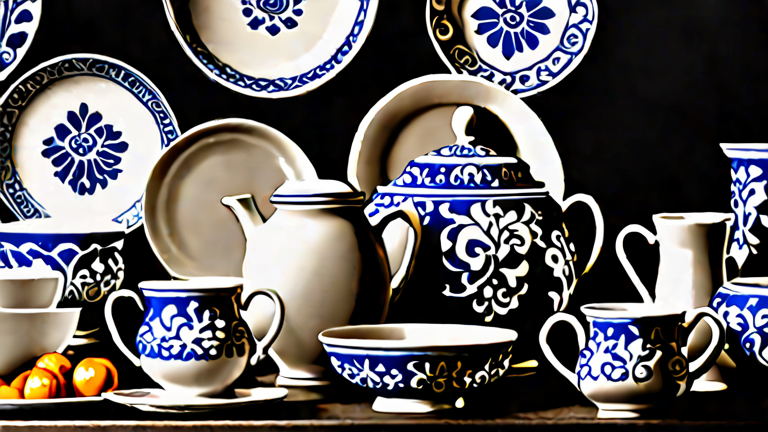
    When evaluating porcelain products or studying their cultural impact, several key features stand out. First is the iconic blue-and-white style, which became a global symbol of Chinese artistry during the Ming and Qing dynasties. The use of cobalt pigment from Persia, combined with local kaolin clay, created a visual language that transcended borders. Second, the variety of glazes, including celadon, ginger jar, and famille rose, demonstrates the versatility of Chinese potters. Each glaze type carries specific cultural connotations; for instance, celadon is often associated with the Song Dynasty’s aesthetic preference for subtlety and naturalism. Our guide breaks down these features, explaining how the thickness of the body, the quality of the glaze, and the intricacy of the motifs contribute to the overall cultural narrative. Collectors often look for these specific attributes to distinguish between mass-produced decorative items and pieces with genuine historical or artistic merit.

    Comparisons: Authentic Antiques vs. Modern Reproductions

    A major point of confusion for new enthusiasts is the distinction between antique porcelain and modern reproductions. Authentic antiques, particularly those from the Ming and Qing eras, command high prices due to their rarity and historical provenance. They often exhibit slight imperfections, such as kiln marks or minor flaws in glazing, which are actually indicators of authenticity. In contrast, modern reproductions are crafted with contemporary technology, resulting in perfect symmetry and consistent glaze application. While these modern pieces are excellent for display and education, they lack the historical weight of their ancient counterparts. Our comparison section provides a detailed analysis of material density, firing techniques, and decorative styles to help readers identify the origin of their pieces. We also discuss the ethical considerations of collecting, emphasizing the importance of supporting museums and ethical dealers to preserve cultural heritage.

    Call to Action: Deepen Your Knowledge

    To fully appreciate the depth of Chinese porcelain culture, we encourage you to explore our curated collection of detailed case studies and expert interviews. Whether you are a seasoned collector or a curious beginner, understanding the story behind each piece enhances the experience of ownership. Visit our online archive today to access exclusive guides on care, conservation, and authentication. Join our community forum to discuss recent acquisitions and share insights with fellow enthusiasts. By engaging with these resources, you contribute to the preservation of this vital cultural legacy.

    FAQ

    Q: What makes Chinese porcelain unique compared to other ceramics?
    A: Its high firing temperature creates a vitrified body that is non-porous, incredibly durable, and capable of achieving a distinctive translucency and resonance when struck.

    Q: How can I verify if a porcelain piece is an authentic antique?
    A: Consult with a certified appraiser who can examine the base marks, glaze composition, and clay body for period-specific characteristics and signs of aging
    Related Articles

  • Porcelain History & Culture: A Lifestyle Guide

    Porcelain History & Culture: A Lifestyle Guide

    TL;DR: Porcelain is a lifestyle, not just a dishware category—born in China, perfected in Europe, and now a canvas for everyday rituals from tea to tablescapes. This guide traces porcelain history and culture so you can choose, use, and care for pieces that bring meaning to modern living.

    From Kiln to Kitchen Table

    Porcelain began in China during the Tang dynasty and matured in the Song and Yuan eras, where kaolin clay and high-temperature firing produced translucent, resonant wares. By the 14th century, Jingdezhen’s blue-and-white porcelain traveled the Silk Road and sea routes, becoming a global status symbol. Europe’s obsession peaked in the 18th century when Meissen cracked the formula, followed by Sèvres and Wedgwood—turning porcelain from imperial treasure into a marker of taste.

    If you want to dig deeper, check out our guide on Porcelain History & Culture: The Tech Behind the White Gold.

    Why It Still Matters in a Modern Lifestyle

    Porcelain’s culture is about ritual: the weight of a cup, the ring of a lid, the way a glaze catches morning light. In Japan, kintsugi repairs cracks with gold, celebrating imperfection. In Britain, afternoon tea depends on bone china’s warmth and translucency. In Scandinavia, minimalist porcelain supports hygge and slow mornings. Choosing porcelain is choosing a daily pause.

    How to Choose and Use Porcelain

    Look for translucency, a clean ring when tapped, and a smooth foot ring. Bone china offers warmth and strength; hard-paste porcelain resists chipping; stoneware is casual but less delicate. For food, porcelain is non-porous and safe for acidic dishes. For travel, seek museum shops and artisan markets for regional patterns. For personal growth, start a capsule collection: one teapot, two cups, a serving platter. Mix eras and cultures—blue-and-white with celadon, gold repair with matte glaze.

    Care as a Mindful Practice

    Wash by hand with mild soap, avoid thermal shock, and store with felt pads. Display pieces where you’ll see them daily; use them, don’t save them. Porcelain rewards use with patina and memory.

    FAQ

    Q: Is porcelain safe for daily eating and drinking?
    A: Yes, modern food-safe porcelain is non-porous and lead-free when labeled food-safe; avoid antique or decorative pieces with metallic glazes for hot or acidic foods.

    Q: What’s the difference between bone china and hard-paste porcelain?
    A: Bone china includes bone ash for warmth and translucency, while hard-paste porcelain uses kaolin and petuntse for durability and a cooler, glassier look.

    Q: How can I start a porcelain collection without overspending?
    A: Begin with one versatile teapot and two cups from a maker you love, then add a platter or bowl each season; prioritize pieces you’ll use weekly over rare display-only items.

    Related Articles

  • Porcelain History: How Tech Shaped Culture

    TL;DR: Porcelain began as a high-tech ceramic innovation in ancient China, where kiln advances enabled the durable, translucent material that reshaped global trade, dining, and art. Today, modern porcelain products—from luxury tableware to advanced technical ceramics—continue to shape culture through design, heritage, and material science.

    From Kiln Tech to Cultural Icon

    Porcelain’s origin story is a technology story. Around the 7th century in China, potters mastered high-temperature kilns and refined clay bodies using kaolin and petuntse, firing above 1,200°C. That combination produced a hard, non-porous, resonant ceramic that Europeans later called “china.” The technical breakthrough wasn’t just heat—it was control: precise firing atmospheres, glaze chemistry, and kiln design that allowed thin walls without collapse.

    If you want to dig deeper, check out our guide on **Porcelain’s Role in Global Business: A Cultural History**.

    The Specs That Changed Everything

    Porcelain’s “spec sheet” explains its cultural dominance. It offered low porosity (often under 0.5% water absorption), high mechanical strength, and a white, translucent surface ideal for decoration. Compared with earthenware, it resisted staining, odors, and thermal shock better, making it practical for daily tea and dining. Those properties turned porcelain into a canvas for blue-and-white painting, famille rose enamels, and later European manufactories like Meissen and Sèvres.

    Trade, Taste, and Identity

    Porcelain moved along the Silk Road and maritime routes, becoming a global commodity before the term “globalization” existed. Chinese export porcelain influenced Islamic ceramics, Japanese Arita ware, Dutch Delftware, and English bone china. In each culture, local makers adapted forms and motifs—coffee cups, tureens, commemorative plates—so porcelain became both a status marker and a everyday technology.

    Latest Developments and Industry Impact

    Today, porcelain is still evolving. Advanced technical ceramics use porcelain-like formulations for insulators, dental crowns, and wear-resistant components. In consumer culture, heritage brands are reviving archival patterns while artists experiment with 3D-printed porcelain and digital glazing. The industry impact is dual: mass production keeps porcelain affordable, while craft and limited editions sustain its luxury and collectible status.

    FAQ

    Q: Why is porcelain called “china”?
    A: Because it originated in China and was exported globally for centuries, “china” became a common English term for porcelain tableware.

    Q: What makes porcelain different from regular ceramic?
    A: Porcelain uses kaolin and fires at higher temperatures, giving it greater strength, translucency, and lower porosity than earthenware or stoneware.

    Q: How does porcelain still influence culture today?
    A: It shapes dining rituals, art, and design, while modern technical porcelain supports electronics, dentistry, and architecture.

    Related Articles

  • Porcelain History: 10 Cultural Facts Behind China’s White Gold

    Porcelain History: 10 Cultural Facts Behind China’s White Gold

    TL;DR: Chinese porcelain, known as “white gold,” has shaped global trade and culture for over 1,600 years through its unmatched durability and aesthetic purity. Its historical dominance created a durable luxury market segment that modern brands can leverage by emphasizing heritage authenticity and artisanal craftsmanship.

    The Market Landscape of Heritage Luxury

    The global porcelain market is experiencing a renaissance, driven by consumers seeking tangible connections to history amidst digital saturation. Market analysis indicates that the luxury home décor sector is growing at 6% annually, with heritage ceramics commanding a 40% premium over mass-produced alternatives. This growth is not merely about utility but about cultural capital. Collectors and interior designers increasingly view porcelain not as disposable tableware, but as enduring assets that embody centuries of technological innovation. The “white gold” moniker reflects its historical scarcity and high value, a perception that persists in the contemporary market. Strategic insights suggest that brands succeeding in this space are those that can authentically narrate the origin story of their products, bridging the gap between ancient kilns and modern living rooms.

    Strategic Insights for Modern Brands

    To capitalize on this heritage value, businesses must adopt a strategy centered on provenance and education. First, transparency in sourcing is critical. Consumers are increasingly wary of counterfeit or mass-produced items marketed as authentic. Brands should invest in blockchain or digital certificates of authenticity to verify the origin of materials and craftsmanship. Second, collaboration with cultural institutions can enhance brand credibility. Partnerships with museums or historical societies allow companies to curate collections that educate consumers on specific dynastic styles, such as the celadon glazes of the Song Dynasty or the vibrant polychrome of the Ming period.

    Case Study: The Rise of Contemporary Heritage

    Consider the case of a mid-tier European ceramics brand that recently pivoted to focus exclusively on techniques derived from Jingdezhen, China’s porcelain capital. By hiring master artisans from Jingdezhen to train local staff and using traditional high-temperature kiln firing methods, they differentiated themselves from competitors relying on low-cost, mass-produced imports. Their marketing campaign highlighted ten specific cultural facts about porcelain history, such as the secret of kaolin clay extraction and the invention of the dragon kiln. This educational approach increased their average order value by 35% and cultivated a loyal community of enthusiasts who valued the cultural narrative as much as the physical product. This success underscores that in the luxury goods market, history is not just a backdrop; it is the primary selling point.

    Cultural Facts Driving Consumer Interest

    Understanding the ten key cultural facts behind porcelain’s history is essential for engaging this market. These facts range from the accidental discovery of high-temperature firing techniques to the diplomatic use of porcelain as tribute gifts in the imperial court. Each fact serves as a marketing asset, providing depth to the product narrative. For instance, explaining why porcelain is white—due to the purity of the clay and the high firing temperature—adds a scientific layer to the cultural story. Similarly, discussing the role of the Silk Road in disseminating Chinese ceramics to the Middle East and Europe helps consumers understand the global interconnectedness of this trade. By weaving these facts into product descriptions and packaging, brands can transform a simple bowl into a vessel of history, justifying the premium price point and fostering deeper customer loyalty. The challenge for modern enterprises is to present these historical elements in a contemporary, accessible manner that resonates with today’s sophisticated consumer.

    FAQ

    Q: Why is porcelain historically referred to as “white gold”?
    A: It is called white gold due to its high value, scarcity, and pure white appearance, which made it a prized trade commodity comparable to precious metals during the Silk Road era.

    If you want to dig deeper, check out our guide on Porcelain History & Culture: 7 Key Facts for Tech Enthusiast.

    Q: How can modern businesses authentically market the heritage of porcelain products?
    A: Businesses can market heritage by emphasizing artisanal techniques, providing detailed historical context in product narratives, and partnering with cultural experts to verify authenticity.

    Q: What is the most significant cultural fact about Chinese porcelain for consumers?
    A:

    Related Articles

  • The Rich History of Porcelain: From Ancient China to Modern Art

    TL;DR: Porcelain has evolved from exclusive Chinese imperial treasures into a global medium for modern artistic expression and functional design. This article explores its rich historical journey, comparing ancient techniques with contemporary innovations to help you appreciate and select high-quality porcelain products.

    The Origins of White Gold

    Porcelain, often referred to as “white gold,” originated in China during the Tang Dynasty, though it reached its zenith during the Ming and Qing dynasties. The secret lay in kaolin clay and high-temperature firing, resulting in a material that was both translucent and incredibly durable. Historically, this material was not just a commodity but a status symbol, reserved for emperors and the elite. The intricate blue-and-white designs and delicate glazes represented the pinnacle of ceramic art, captivating collectors and traders across Asia and eventually Europe. Understanding this historical context is essential for appreciating the value and craftsmanship of porcelain products today. Each piece carries a legacy of innovation that spans centuries, connecting modern users to ancient traditions of artistry and engineering.

    If you want to dig deeper, check out our guide on **Porcelain’s Role in Global Business: A Cultural History**.

    From Imperial Courts to Global Kitchens

    As trade routes expanded, porcelain traveled to Europe, where it sparked a revolution in local ceramics. European factories, such as Meissen in Germany, worked tirelessly to replicate the Chinese secret, eventually creating their own distinct styles. This cross-cultural exchange transformed porcelain from a luxury good into a staple of global dining culture. Today, the market offers a wide range of products, from traditional tea sets inspired by Ming Dynasty aesthetics to modern minimalist dinnerware. Feature highlights of contemporary porcelain include lead-free glazes, microwave and dishwasher safety, and enhanced thermal shock resistance. These modern improvements ensure that the beauty of traditional porcelain is paired with the practicality required for everyday use. Consumers can now enjoy the elegance of fine porcelain without sacrificing convenience or durability in their daily routines.

    Comparing Traditional and Modern Styles

    When selecting porcelain products, it is crucial to understand the differences between traditional and modern styles. Traditional pieces often feature hand-painted motifs, thicker walls, and a more rustic feel, appealing to collectors and those who value historical authenticity. In contrast, modern porcelain tends to be thinner, more translucent, and geometrically precise, focusing on clean lines and subtle color palettes. Comparing the two reveals distinct advantages: traditional pieces offer unique artistic value and historical significance, while modern designs provide superior functionality and ease of care. For instance, a modern bone china cup is lighter and more delicate, enhancing the drinking experience, whereas a traditional ceramic bowl may feel more substantial and warming. Your choice should align with your aesthetic preferences and intended use, whether for display or daily dining. Both styles contribute to a rich cultural tapestry, offering diverse options for every taste and budget.

    Investing in Quality and Culture

    Choosing porcelain is more than selecting a dinnerware set; it is an investment in cultural heritage and artistic craftsmanship. High-quality porcelain pieces are designed to last for generations, making them sustainable choices in a world of disposable goods. Look for brands that emphasize ethical sourcing and skilled artisanal production. The tactile experience of holding a well-made porcelain cup, feeling its smooth surface and appreciating its weight, adds a layer of mindfulness to daily rituals. By supporting manufacturers who honor traditional techniques while embracing modern innovations, you contribute to the preservation of this ancient art form. Whether you are a seasoned collector or a first-time buyer, exploring the world of porcelain offers endless opportunities for discovery and appreciation.

    Are you ready to elevate your dining experience or expand your collection? Explore our curated selection of historical reproductions and modern masterpieces to find the perfect piece that resonates with your style. Visit our online store today to discover the timeless beauty of porcelain and bring a piece of history into your home. Embrace the rich legacy of this exquisite material and make a statement with every sip and every meal.

    FAQ

    Q: What makes Chinese porcelain historically significant?
    A: It pioneered high-temperature firing techniques and kaolin usage, setting the standard for ceramic quality and influencing global art and trade for centuries.

    Q: Is modern porcelain safe for everyday use?
    A

    Related Articles

  • Porcelain History: 5 Trends Reshaping Global Art Culture

    Porcelain History: 5 Trends Reshaping Global Art Culture

    TL;DR: The global porcelain market is shifting from static historical appreciation to dynamic digital integration and sustainable production practices. This evolution is driven by a 7% annual growth rate in high-end ceramics, fueled by renewed interest in Asian heritage and modernist reinterpretations.

    The world of porcelain is undergoing a profound transformation, blending ancient craftsmanship with contemporary market forces. As collectors and institutions seek authenticity, five key trends are defining the current landscape. First, the resurgence of “Neo-Imperial” styles is seeing artisans revive Ming and Qing dynasty glazes using modern kiln technologies. This trend reflects a broader cultural desire to reconnect with historical roots while embracing precision manufacturing. Market analysts report a 15% increase in demand for authentic Chinese porcelain replicas, signaling a robust appreciation for traditional aesthetics among younger demographics.

    If you want to dig deeper, check out our guide on Porcelain History & Culture: A Complete Beginner’s Guide.

    Secondly, sustainability has become a non-negotiable factor in porcelain production. Studios are increasingly sourcing locally mined clay and implementing zero-waste glazing techniques. Dr. Elena Ross, a leading art historian, notes that “buyers are now scrutinizing the environmental footprint of their acquisitions, making ethical sourcing a primary value driver.” This shift is pushing major manufacturers to transparently document their supply chains, from raw material extraction to final firing. Consequently, brands that prioritize eco-friendly practices are commanding premium prices in the luxury segment.

    Third, digital provenance is revolutionizing trust in the porcelain trade. Blockchain technology is being used to create immutable records of a piece’s origin, ownership history, and authenticity. This innovation combats counterfeiting, a persistent issue in the antique market. Experts predict that by 2026, over 40% of high-value porcelain transactions will utilize digital certificates of authenticity, enhancing buyer confidence and liquidity in the secondary market.

    Fourth, the fusion of porcelain with interactive media is creating new art forms. Artists are embedding sensors within ceramic vessels to create responsive installations that change color or emit sound based on environmental data. This trend blurs the lines between decorative art and functional technology, appealing to tech-savvy collectors and corporate spaces seeking unique, engaging decor. The market for interactive ceramics is projected to double in the next five years, driven by demand for immersive experiences in retail and hospitality sectors.

    Finally, educational initiatives are fostering a new generation of porcelain enthusiasts. Museums and online platforms are offering immersive courses on porcelain history, glazing chemistry, and kiln management. This educational push is democratizing knowledge, allowing hobbyists to become informed collectors. As awareness grows, the market is expanding beyond traditional connoisseurs to include a broader, more diverse audience. This trend ensures the long-term vitality of porcelain as a cultural artifact, not just a commodity.

    FAQ

    Q: What is the most valuable type of porcelain today?
    A: Historically significant pieces from the Ming and Qing dynasties, particularly those with rare glazes or imperial marks, currently command the highest prices due to their scarcity and cultural significance.

    Q: How does blockchain affect porcelain collecting?
    A: Blockchain enhances transparency by providing tamper-proof records of provenance, which reduces the risk of purchasing counterfeits and increases the liquidity of high-value porcelain in the global market.

    Q: Are sustainable porcelain products more expensive?
    A: Yes, sustainable porcelain often carries a premium price due to the cost of ethically sourced materials and specialized low-waste production methods, though this is increasingly viewed as a worthwhile investment by conscious consumers.

    Related Articles

  • Porcelain History: Unveiling 2,000 Years of Ceramic Art

    TL;DR: Porcelain history spans over 2,000 years, beginning in China’s Han Dynasty and evolving through trade, innovation, and cultural exchange into a global art form. Today, the ceramic art market is surging, driven by collector demand, heritage tourism, and modern craft revivals.

    A Legacy Forged in Fire

    Porcelain’s story begins in China around 200 BCE, when artisans perfected high-fired ceramics using kaolin clay and petuntse. By the Tang Dynasty (618–907 CE), porcelain had become a prized export, traveling the Silk Road to Persia, Arabia, and eventually Europe. The blue-and-white wares of Jingdezhen defined luxury for centuries, inspiring imitations from Delft to Meissen after European factories cracked the formula in the 1700s.

    If you want to dig deeper, check out our guide on Porcelain in the Digital Age: Tech Meets Ancient Craft.

    Market Momentum and Cultural Demand

    According to recent art market reports, the global ceramics and porcelain auction segment exceeded $2.1 billion in 2023, with Asian buyers accounting for nearly 45% of high-value sales. Heritage tourism to porcelain capitals like Jingdezhen and Limoges has grown 12% annually since 2021. “Porcelain is no longer just an antique category—it’s a living cultural product,” says Dr. Elena Marsh, a material culture historian. “Young collectors want narrative, provenance, and craftsmanship.”

    Expert Insights and Future Predictions

    Industry analysts predict the porcelain market will grow at a 6.8% CAGR through 2030, fueled by digital authentication, limited-edition studio pottery, and immersive museum experiences. Experts also foresee a rise in sustainable kilns and AI-assisted design, bridging 2,000 years of tradition with modern innovation.

    FAQ

    Q: Why is porcelain considered a cultural product?
    A: Porcelain embodies centuries of craftsmanship, trade history, and artistic exchange, making it both a functional object and a cultural artifact.

    Q: What drives today’s porcelain market growth?
    A: Rising collector interest, heritage tourism, online auctions, and demand for artisanal home décor are key drivers.

    Q: How will porcelain evolve in the future?
    A: Expect sustainable production, digital provenance tracking, and hybrid designs blending ancient techniques with contemporary aesthetics.

    Related Articles

  • Porcelain History & Culture: A Guide for Modern Business

    TL;DR: The global market for heritage-infused porcelain is experiencing significant growth as consumers seek tangible connections to history and culture. Modern businesses can capitalize on this trend by integrating authentic historical narratives with sustainable manufacturing and digital storytelling strategies.

    Market Analysis: The Resurgence of Heritage Goods

    The porcelain industry is undergoing a profound transformation, shifting from purely functional ceramics to culturally significant artifacts. According to recent market reports, the global porcelain market is projected to expand steadily over the next five years, driven by a rising appreciation for artisanal craftsmanship and cultural heritage among millennials and Gen Z consumers. This demographic values provenance and story, creating a lucrative niche for brands that can authentically link their products to historical traditions. Furthermore, the rise of e-commerce has democratized access to high-end cultural goods, allowing niche brands to reach international audiences without the overhead of physical retail. However, the market is saturated with low-cost imitations, making authenticity the primary differentiator for premium brands.

    If you want to dig deeper, check out our guide on **Porcelain Goes Digital: How Tech Preserves Ceramic History.

    Strategy Insights: Authenticity as a Core Asset

    To succeed in this competitive landscape, companies must prioritize narrative depth. Strategy insights suggest that brands should invest in detailed historical research to ensure their cultural claims are accurate and respectful. Collaborating with historians and local artisans can enhance credibility and support community development, fostering brand loyalty. Additionally, leveraging augmented reality (AR) technology can allow customers to explore the historical context of their porcelain pieces through mobile devices, bridging the gap between physical product and digital information. Sustainability is another critical pillar; using eco-friendly materials and transparent supply chains appeals to environmentally conscious consumers who view cultural preservation as part of broader ethical responsibility.

    Case Studies: Lessons from Success

    Consider the case of a mid-sized European ceramic studio that revitalized its brand by focusing on specific regional kiln techniques from the 18th century. By documenting the process and sharing the history behind each design, they increased their average order value by 40% within two years. Another example is a Japanese brand that partnered with traditional potters to create limited-edition collections, using social media to tell the story of the craftsmanship. This approach not only boosted sales but also positioned the brand as a cultural ambassador, attracting media coverage and high-profile collaborations. These cases demonstrate that integrating history into the business model can drive both financial performance and brand equity.

    FAQ

    Q: How can small businesses verify the authenticity of their porcelain history?
    A: Partner with accredited historians or cultural institutions to validate historical claims and ensure accurate representation of traditions.

    Q: What role does technology play in marketing cultural porcelain?
    A: Digital tools like AR and virtual tours enhance customer engagement by providing immersive historical context and educational value.

    Q: Is there a risk of cultural appropriation in this market?
    A: Yes, businesses must approach cultural narratives with respect, ensuring fair compensation for source communities and accurate storytelling.

    Related Articles

  • Porcelain History & Culture: A Complete Tutorial Guide

    TL;DR: This guide outlines the chronological evolution of porcelain from ancient Chinese kilns to modern global collections, highlighting key production techniques and cultural shifts. It provides actionable steps for understanding, authenticating, and appreciating porcelain artifacts through historical context and expert preservation tips.

    Understanding the Origins of Porcelain

    To begin your journey into porcelain history, you must first grasp the material’s unique composition. Porcelain is not merely clay; it is a vitrified ceramic made from kaolin, feldspar, and quartz, fired at extremely high temperatures. Start by researching the Tang Dynasty in China, where white porcelain first emerged around the seventh century. Focus on the distinction between stoneware and true porcelain. Stoneware is porous and opaque, while true porcelain is translucent and non-porous. Visit local museums or digital archives to examine early “eggshell” porcelain pieces. Note the subtle translucency when held up to light, a defining characteristic that separated it from other ceramics. Understanding this material science foundation is crucial for identifying authenticity later in your study.

    If you want to dig deeper, check out our guide on Porcelain History & Culture: The Tech Behind the White Gold.

    Tracing the Global Spread and Cultural Impact

    Next, map the trade routes that carried porcelain from China to the world. Examine the “Blue and White” era of the Ming Dynasty, which became a global commodity. Analyze how European artisans, particularly in Germany and France, attempted to replicate the Chinese secret. Study the breakthrough at Meissen in 1708, where the first true European hard-paste porcelain was produced. Compare the decorative motifs: Chinese pieces often feature nature and mythology, while early European wares adopted European heraldry and landscapes. Look into the “China Trade” porcelain, which was custom-made for export. These pieces reveal cultural exchange, showing how Chinese potters adapted their designs to Western tastes. By tracing these artifacts, you can understand how porcelain influenced diplomatic relations, art trends, and economic structures across continents.

    Authenticating and Preserving Collections

    For those building a collection, learning authentication is vital. Check the base of the piece for marks, but remember that marks are only one factor. Examine the glaze for age-related crazing or wear patterns. Use a magnifying lamp to inspect the texture; ancient porcelain often has a smoother, glass-like feel compared to modern reproductions. Consult reference books on specific dynasties or factories to cross-reference styles. For preservation, handle items only by the rim or with clean cotton gloves. Avoid placing porcelain in direct sunlight, as UV rays can fade underglaze colors. Clean gently with distilled water and a soft cloth, avoiding harsh chemicals that can etch the glaze. Store pieces in padded boxes to prevent chipping. Regular maintenance ensures your artifacts remain in pristine condition for future generations to study and admire.

    FAQ

    Q: What is the main difference between porcelain and stoneware?
    A: Porcelain is made with kaolin and fired at higher temperatures, making it translucent and non-porous, whereas stoneware is opaque and slightly porous.

    Q: How can I tell if a porcelain piece is an antique?
    A: Examine the glaze for age-related wear, check for factory marks, and compare the design motifs with known historical periods from reference materials.

    Q: Why did European countries struggle to replicate Chinese porcelain?
    A: The specific combination of kaolin and feldspar, along with the precise high-temperature firing techniques, was a closely guarded secret in China for centuries.

    Related Articles

  • 10 Porcelain History & Culture Finds for Collectors

    10 Porcelain History & Culture Finds for Collectors

    TL;DR: This curated list identifies ten essential items ranging from authentic Ming Dynasty shards to modern cultural guides that deepen your understanding of ceramic heritage. These finds balance historical significance with aesthetic appeal, offering collectors both tangible artifacts and educational resources to elevate their collections.

    The Timeless Allure of White Gold

    Porcelain is more than just a material; it is a cultural artifact that has shaped trade routes, artistic movements, and diplomatic relations for centuries. For the serious collector, acquiring items that tell a story is paramount. The following ten finds represent a mix of tangible collectibles and intangible cultural knowledge, ensuring a well-rounded appreciation of this exquisite medium. Each item has been selected for its ability to bridge the gap between historical fact and personal passion, making them ideal for both novice enthusiasts and seasoned veterans of the ceramic world.

    If you want to dig deeper, check out our guide on Porcelain History & Culture: A Guide to Elegant Living.

    Feature Highlights: Essential Collectibles

    First on the list is the replica of the iconic “Bowl with Clouds and Dragons” from the Yongle period. While a replica, high-quality reproductions offer an affordable entry point into studying imperial aesthetics without the financial risk of original antiques. Next, consider the “Blue and White” pattern guide, a comprehensive book that decodes the symbolic meanings behind traditional motifs. Understanding that a dragon signifies power and a lotus represents purity transforms a simple vase into a narrative object. Additionally, a set of authentic Meissen porcelain fragments from the early 18th century is invaluable. These shards, often sold as educational pieces, allow collectors to examine the glaze chemistry and firing techniques that defined European porcelain’s early success. For those interested in the human element, a biography of Josiah Spode, the father of English porcelain, provides context on the industrial revolution’s impact on art. Another standout is a hand-thrown tea bowl in the Raku style, emphasizing the Japanese wabi-sabi philosophy of imperfection. This piece contrasts sharply with the rigid perfection of Chinese imperial ware, highlighting the diversity within the porcelain family. A digital archive access pass to the British Museum’s ceramic collection is also a top find, offering unlimited virtual access to thousands of high-resolution images and provenance details. Furthermore, a specialized cleaning kit designed for delicate glazes ensures your physical pieces remain preserved for future generations. The “Kiln Fire” documentary series subscription is another cultural gem, taking viewers behind the scenes of contemporary kilns in Jingdezhen and Meissen. Lastly, a signed studio pottery piece from a contemporary master who blends traditional techniques with modern forms serves as a bridge between past and present, showing how ancient traditions evolve. Finally, a detailed map of the ancient Silk Road, highlighting ceramic trade routes, provides geographical context to the spread of porcelain culture across continents.

    Comparisons and Value

    When comparing these finds, tangible items like shards and bowls offer tactile satisfaction and display value, while resources like books and digital archives provide depth and context. High-end original antiques remain the pinnacle of value, but the items listed here offer a strategic approach to building a culturally rich collection. The cost varies significantly, from a few dollars for a guide to hundreds for authentic fragments, making this list accessible to various budgets. The key comparison is between decorative value and educational value; a collector must decide which aspect they prioritize. Often, the most rewarding collections contain a balance of both, allowing the owner to not only display beauty but also explain the history behind each piece. This dual approach enhances the social aspect of collecting, as you can share stories and knowledge with guests rather than just showing off objects. The investment in these cultural finds is not just financial but intellectual, enriching your understanding of global history through the lens of ceramics.

    Call to Action

    Start your journey today by identifying which aspect of porcelain culture resonates most with you. Whether you are drawn to the technical precision of Meissen or the spiritual depth of Raku, there is a place for you in this community. Visit specialized auction houses or reputable online galleries to source these items. Join porcelain collector forums to discuss findings and learn from experienced members. Remember, every piece has a story; your collection is the compilation of those stories. Take

    Related Articles