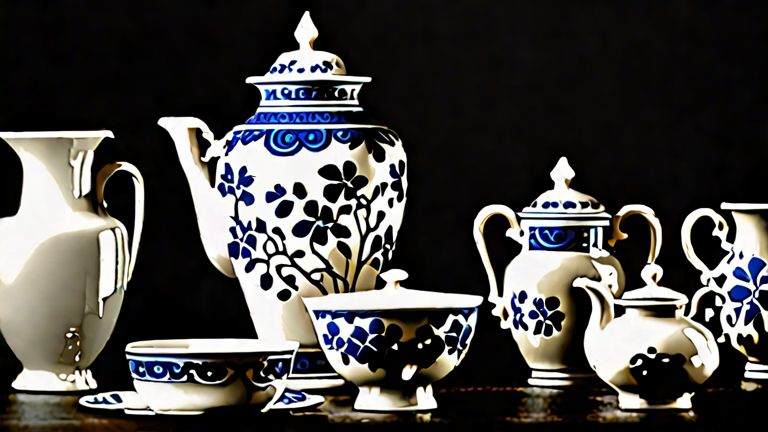
Porcelain’s Healing Legacy: How Ceramics Shaped Global Health Culture
TL;DR: Porcelain has historically served as a critical vessel for sanitation and medicinal preparation, reducing disease transmission and enhancing the efficacy of herbal remedies. Today, ceramic art and mindfulness practices rooted in pottery continue to offer significant psychological benefits, promoting stress reduction and mental well-being.
The history of porcelain is inextricably linked to the evolution of global health standards. Originating in China during the Han Dynasty and perfected during the Tang and Song dynasties, porcelain was not merely a luxury item but a technological breakthrough in hygiene. Unlike earthenware, which is porous and can harbor bacteria, high-fired porcelain is non-porous and easily cleaned. This characteristic made it the ideal material for medical use, including the storage of medicines, the preparation of herbal decoctions, and the serving of food in ways that minimized contamination. The global trade of porcelain from the 14th century onward did not just spread aesthetic taste; it spread a culture of cleanliness and health-consciousness that influenced public health practices across Europe and Asia.
If you want to dig deeper, check out our guide on Porcelain History: 7 Cultural Secrets Behind the White Gold.
The Science of Ceramic Interaction
Modern science supports the historical utility of ceramics in health contexts. Studies indicate that the smooth, glazed surface of porcelain inhibits the growth of pathogens more effectively than unglazed clay or metal, which can corrode and leach heavy metals. This makes porcelain vessels superior for storing acidic foods or herbal infusions, ensuring that the chemical integrity of the contents remains intact. Furthermore, the thermal mass of ceramic materials allows for slow, even heat retention, which is beneficial for preparing warm compresses or maintaining the optimal temperature for certain therapeutic teas. The stability of the material means that volatile organic compounds (VOCs) are not released into the preparation, providing a purer health experience for the consumer.
Mindfulness and the Pottery Mindset
Beyond its functional applications, the cultural legacy of porcelain extends into the realm of mental health through the practice of ceramics. The process of working with clay, whether for creating functional ware or artistic pieces, has been shown to induce a state of flow. This meditative state reduces cortisol levels and alleviates symptoms of anxiety and depression. The tactile nature of the craft encourages mindfulness, forcing the practitioner to focus on the present moment, the pressure of the hands, and the movement of the wheel. This “pottery mindset” fosters a sense of patience and acceptance, qualities that are essential for long-term mental well-being. Engaging with ceramic art, even passively, can evoke feelings of calm and connection to historical traditions, providing a therapeutic anchor in fast-paced modern life.
Lifestyle Tips for Ceramic Wellness
To integrate this legacy into your daily life, consider adopting several science-backed habits. First, prioritize high-quality, lead-free porcelain for your kitchenware, especially for items that hold acidic or hot liquids, to ensure safety and purity. Second, incorporate a ceramic vessel into your daily routine for a specific health ritual, such as using a dedicated teapot for a calming herbal blend in the evening. This ritualistic use can signal to your brain that it is time to relax, enhancing the physiological effects of the tea. Third, explore the art of ceramics as a hobby. Local workshops offer introductory classes that focus on the meditative aspects of the craft, allowing you to experience the stress-relieving benefits firsthand. Finally, curate your living space with ceramic art pieces that resonate with you personally. The visual appeal of well-crafted porcelain can serve as a constant, subtle reminder of history, beauty, and the importance of mindful living, contributing to a holistic approach to health and wellness.
FAQ
Q: Is old porcelain safe for health use?
A: It depends on the glaze; older pieces may contain lead or cadmium, so only use antique porcelain for display or ensure it is certified lead-free if using it for food or drink.
Q: How does ceramic art therapy work?
A: It uses the tactile and creative process of working with clay to reduce stress, improve motor skills, and enhance emotional expression through a meditative, hands-on