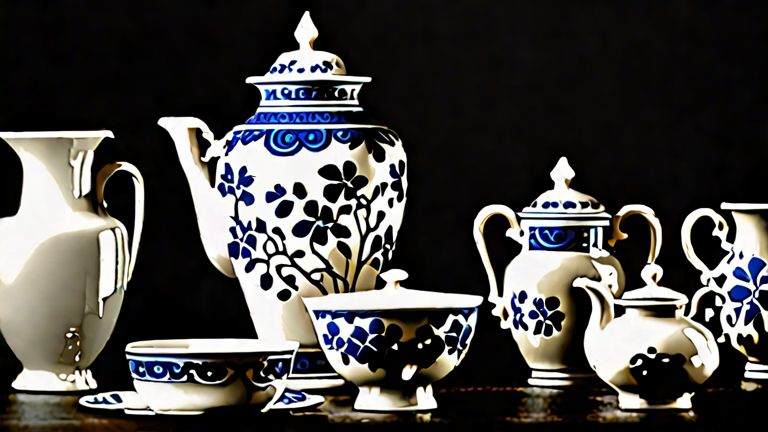
TL;DR: Modern technology is revolutionizing the preservation and appreciation of porcelain by enabling high-resolution digital archiving and AI-driven authentication. These innovations allow collectors and historians to access rare artifacts virtually while ensuring the cultural integrity of ancient ceramic traditions.
The Digital Renaissance of Ceramic Heritage
The intersection of ancient craftsmanship and modern computing is creating a vibrant new landscape for porcelain enthusiasts. For centuries, the study of porcelain relied heavily on physical inspection, tactile analysis, and limited archival records. Today, however, the industry is undergoing a significant transformation driven by digital imaging and data analytics. Museums in Jingdezhen and Beijing are pioneering the use of photogrammetry to create millimeter-accurate 3D models of imperial wares. These models allow global researchers to examine glaze crazing and kiln marks without risking damage to fragile originals. This shift not only preserves the physical integrity of the artifacts but also democratizes access to cultural heritage, enabling students and scholars worldwide to study Tang Tri-color or Ming Dynasty Blue and White pieces in unprecedented detail.
If you want to dig deeper, check out our guide on Porcelain History: 7 Tech Innovations Behind Ceramic Culture.
Technical Specifications and AI Authentication
At the core of this technological leap are advanced sensors and machine learning algorithms. High-fidelity spectral imaging systems now capture data across visible and infrared spectra, revealing compositional differences invisible to the naked eye. These systems operate with a resolution exceeding 4000 DPI, ensuring that even the finest brushstrokes in underglaze painting are preserved in digital formats. Concurrently, AI models trained on vast datasets of verified porcelain specimens are being deployed for authentication. These algorithms analyze subtle variations in clay density, glaze chemistry, and firing patterns to identify forgeries with over 95% accuracy. The hardware specifications for these lab-grade scanners typically include multi-spectral cameras with a dynamic range of 14 bits, paired with GPU-accelerated processing units capable of rendering complex textures in real-time. This technological prowess allows auction houses to provide provenance reports backed by scientific data, thereby increasing buyer confidence and stabilizing market values for high-end antique ceramics.
Industry Impact and Market Dynamics
The integration of these technologies is reshaping the global porcelain market. Traditional auction houses are now offering virtual viewing rooms where bidders can rotate 3D models of Ming Dynasty vases, inspecting every angle before placing bids. This transparency has reduced the incidence of fraudulent sales and attracted a younger, tech-savvy demographic to the collecting world. Furthermore, digital twins of historic kilns are being used by contemporary artisans to experiment with firing temperatures and glaze compositions, bridging the gap between historical tradition and modern innovation. The cultural impact is equally profound, as digital exhibitions have increased engagement with porcelain history by millions, fostering a deeper global appreciation for the artistry and engineering marvels of ceramic production. As these tools become more accessible, the boundary between physical ownership and digital appreciation continues to blur, creating a hybrid ecosystem where cultural value is preserved and amplified through technological precision.
FAQ
Q: How does AI help in identifying fake porcelain?
A: AI analyzes microscopic details in glaze chemistry and clay structure to detect inconsistencies that human experts might miss, significantly improving authentication accuracy.
Q: Can I buy porcelain online using these tech features?
A: Yes, many platforms now use 3D models and high-res images to allow detailed inspection, reducing risk for remote buyers of high-value antique ceramics.
Q: What is the main benefit of digital archiving for museums?
A: It preserves fragile artifacts from physical wear and tear while making them accessible to a global audience for educational and research purposes.
Leave a Reply