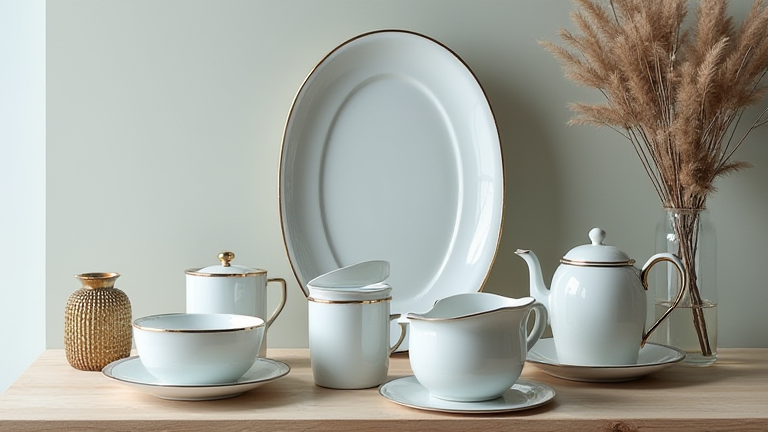
Porcelain History: 10 Key Cultural Trends Shaping the Market
TL;DR: The porcelain market is currently driven by a resurgence of heritage craftsmanship and sustainable production methods, valuing historical authenticity over mass-produced goods. Future growth hinges on digital integration and ethical sourcing, creating a premium niche for culturally significant, artisanal pieces.
The Resurgence of Heritage
The contemporary porcelain market is witnessing a profound shift away from disposable consumer goods toward objects of lasting cultural value. This trend is rooted in a global appreciation for historical continuity, where buyers seek connections to centuries-old traditions. According to recent industry reports, the global fine porcelain market is projected to grow at a compound annual growth rate of 4.2% through 2030, driven largely by the luxury and decorative segments. This growth is not merely economic but cultural, as consumers increasingly view porcelain as a vessel for storytelling and identity rather than just a functional material. The desire for provenance has led to a surge in demand for pieces that reference specific historical periods, such as the Ming Dynasty’s blue-and-white ware or the Rococo-era floral motifs of Meissen. This nostalgia is not passive; it is an active curation of taste that prioritizes depth and narrative.
If you want to dig deeper, check out our guide on Porcelain History & Culture: A Business Guide.
Sustainability and Ethical Sourcing
Parallel to the heritage trend is the urgent push for sustainability, which is reshaping supply chains and production methodologies. Traditional porcelain production is energy-intensive, particularly during the high-temperature firing process. However, modern kilns utilizing electric power and renewable energy sources are becoming the standard among leading manufacturers. Experts in sustainable materials science note that the environmental footprint of porcelain is increasingly scrutinized by institutional buyers and eco-conscious consumers. This has led to a preference for local sourcing of raw materials like kaolin and feldspar to reduce transportation emissions. Furthermore, the concept of “circular porcelain” is gaining traction, where broken pieces are ground down and reused in new batches, minimizing waste. This approach aligns with the broader cultural movement toward conscious consumption, where the ethical implications of a product’s creation are as important as its aesthetic appeal. Brands that transparently communicate their carbon footprint and labor practices are seeing higher brand loyalty and premium pricing power.
Digital Integration and New Aesthetics
The intersection of technology and traditional craft is creating new avenues for porcelain innovation. Digital design tools allow artists to explore complex geometries and patterns that would be impossible to achieve by hand alone, yet the final production often relies on traditional hand-finishing techniques. This hybrid approach appeals to a younger demographic that values both technological proficiency and artisanal touch. Moreover, virtual reality (VR) and augmented reality (AR) are being used to showcase porcelain collections, allowing global audiences to examine the translucency and glaze quality of pieces in high definition without physical shipping. This digital accessibility has democratized access to high-end porcelain, expanding the market beyond traditional gallery-goers to online collectors. Future predictions suggest that blockchain technology will be used to certify the authenticity and provenance of high-value porcelain pieces, protecting against counterfeits and enhancing the asset value of cultural artifacts. This technological layer adds a new dimension to the cultural significance of porcelain, turning it into a digital-physical hybrid asset.
Global Collaboration and Fusion
Another key trend is the cross-cultural collaboration between potters from different traditions. For instance, Japanese Raku techniques are being integrated with European bone china structures, creating unique hybrids that challenge traditional boundaries. This fusion reflects a globalized cultural landscape where borders are increasingly porous, and artistic expression is a blend of influences. Museums and galleries are curating exhibitions that highlight these collaborations, framing porcelain as a medium of diplomatic and cultural exchange. The market is responding to this by valuing limited-edition collaborative pieces highly, often seeing them as collectible art objects rather than mere tableware. This trend underscores the idea that porcelain is not static but a living tradition that evolves through dialogue between cultures.
The Role of Education and Curation
Finally, the role of education in shaping the market cannot be overstated. Workshops, masterclasses, and digital content focused on the history and technique of porcelain are driving engagement. Consumers are
Leave a Reply