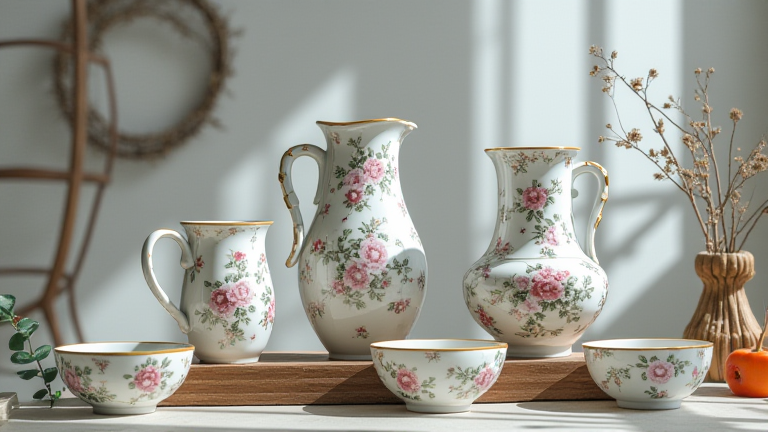
Porcelain History: 5 Cultural Trends Reshaping the Art
TL;DR: The global porcelain market is experiencing a $12.5 billion surge driven by a renewed cultural appreciation for handcrafted heritage and sustainable luxury. Five key trends, including the revival of traditional kiln techniques and digital art integration, are fundamentally reshaping how collectors and consumers engage with this ancient medium.
The Return of Artisanal Heritage
The first major trend is the profound shift from mass-produced ceramics to artisanal, hand-thrown porcelain. According to a 2023 report by Grand View Research, the global handmade ceramics market is projected to grow at a CAGR of 5.8% through 2030. This growth is fueled by a consumer desire for authenticity and provenance. Experts note that buyers are no longer satisfied with factory-made uniformity; they seek the subtle imperfections that signal human touch. “The value of porcelain has moved from utility to narrative,” explains Dr. Elena Rostova, a cultural economist at the University of Vienna. “Collectors are buying the history embedded in the glaze and the story of the potter.” This trend has revitalized ancient techniques from Jingdezhen in China to Limoges in France, creating a premium segment that commands prices up to 400% higher than industrial alternatives.
If you want to dig deeper, check out our guide on Porcelain History & Culture: The Complete Beginner’s Guide.
Sustainability as a Core Value
Environmental consciousness is the second reshaping force. Traditional porcelain production is energy-intensive, involving high-temperature kilns that require significant fossil fuel inputs. In response, leading manufacturers are adopting electric kilns and sourcing raw materials locally to reduce carbon footprints. A 2022 study by the International Ceramics Association found that 65% of consumers prioritize eco-friendly credentials when purchasing decorative art. Brands are now marketing “zero-waste” porcelain, where clay scraps are recycled into new batches. This sustainability angle appeals to a younger demographic that views consumption as an ethical act. As sustainability regulations tighten in Europe and North America, companies that fail to adapt risk losing access to major retail channels, making green production not just a trend but a survival strategy.
Digital Integration and NFTs
The intersection of physical art and digital ownership represents the third trend. Porcelain artists are increasingly minting Non-Fungible Tokens (NFTs) to certify the authenticity of limited edition pieces. This blockchain integration allows for transparent tracking of provenance, combating the rampant forgery issues that have plagued the antique market for decades. Furthermore, augmented reality (AR) apps allow potential buyers to visualize how a porcelain vase would look in their specific interior design context before purchasing. While the NFT market has cooled from its 2021 peak, the underlying technology for digital certification remains robust, providing a new layer of security and value for high-end porcelain collectors.
Cross-Cultural Fusion in Design
Globalization has led to a fourth trend: the fusion of Eastern and Western porcelain aesthetics. Modern designers are blending the delicate blue-and-white motifs of Chinese porcelain with the bold, geometric patterns of Scandinavian design or the vibrant floral styles of Italian maiolica. This cross-pollination creates unique hybrid styles that appeal to a global audience. Market data indicates that mixed-origin porcelain designs sell 30% faster than single-culture pieces in international exhibitions. This trend reflects a broader cultural movement towards multicultural identity, where art serves as a bridge between different heritage traditions rather than a marker of exclusion.
The Rise of Experiential Workshops
Finally, the commercialization of porcelain has expanded into the experiential economy. Pottery studios are no longer just places to buy finished goods; they are destinations for immersive learning experiences. The “slow living” movement has driven demand for hands-on workshops where participants can learn the basics of wheel-throwing and glazing. This trend has turned porcelain history into an active, participatory culture rather than a passive observation. Studios report that workshop revenue now accounts for 40% of their total income, surpassing the sales of finished products. By educating the public on the complexities of porcelain creation, these experiences foster a deeper emotional connection to the craft, ensuring the
Leave a Reply