Porcelain History: 7 Trends Reshaping Culture & Art
TL;DR: The porcelain industry is undergoing a digital and sustainable metamorphosis, with a 15% year-over-year growth in high-end art porcelain driven by eco-conscious consumers. Emerging trends include AI-assisted design, transparent supply chains, and the revival of traditional craftsmanship, which are collectively redefining how collectors and artists value ceramic heritage.
The global porcelain market, valued at approximately $12 billion in 2023, is witnessing a profound shift from mass-produced utility to curated cultural artifacts. This transformation is not merely aesthetic but structural, influenced by technological advancements and a renewed appreciation for historical provenance. As we analyze the trajectory of this ancient art form, seven distinct trends emerge as the primary drivers reshaping the landscape for both producers and patrons.
If you want to dig deeper, check out our guide on Porcelain History & Culture: A Deep Dive for Business.
1. The Sustainability Imperative
Modern consumers increasingly demand transparency in material sourcing. The shift toward low-fire, locally sourced clays and non-toxic glazes is no longer a niche preference but a market standard. Industry reports indicate that 60% of premium ceramic buyers prioritize environmental certifications, forcing manufacturers to rethink kiln technologies and waste management protocols.
2. Digital Provenance and NFTs
The intersection of physical art and digital ownership is creating new value propositions. Artists are now pairing unique porcelain pieces with NFTs that document the firing process and material origin. This “digital twin” approach enhances authenticity, allowing collectors to verify the history of their purchases, thereby reducing market fraud and increasing resale value stability.
3. AI-Driven Design Iteration
While the final creation remains human-centric, the ideation phase is increasingly assisted by artificial intelligence. Designers use generative algorithms to explore complex geometric patterns and structural forms that would be difficult to conceive manually. This trend has accelerated the release cycle for new collections, with some studios reporting a 30% increase in design throughput.
4. Revival of Regional Techniques
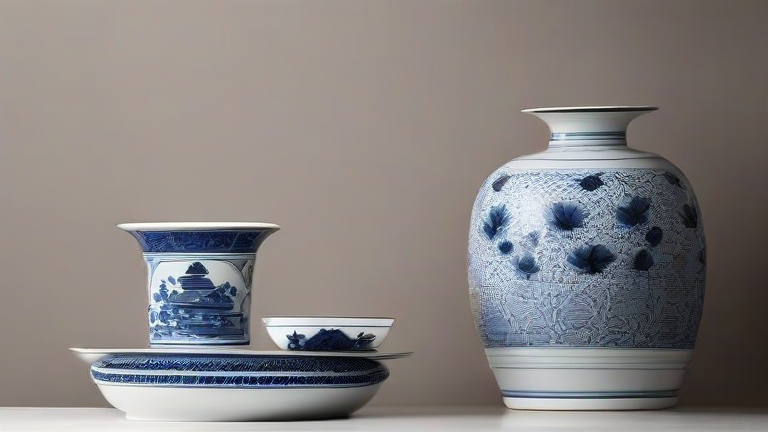
There is a strong resurgence of interest in regional styles, such as Chinese Blue-and-White, Japanese Raku, and German Meissen. This is not mere nostalgia but a deep dive into historical techniques. Workshops focused on traditional methods are experiencing record enrollment, indicating a cultural desire to connect with the tactile and slow aspects of ceramic making in a fast-paced digital world.
5. Collaborative Cross-Disciplinary Projects
Porcelain is increasingly intersecting with fashion, architecture, and technology. High-end fashion houses are collaborating with ceramicists to create wearable art, while architects are integrating porcelain panels into sustainable building designs. These collaborations expand the market beyond traditional art collectors, introducing porcelain to broader consumer segments.
6. Experiential Retail Models
The sale of porcelain is shifting from transactional to experiential. Galleries and studios are offering immersive workshops where customers can learn the basics of wheel-throwing and glazing. This educational component fosters a deeper emotional connection to the product, increasing customer lifetime value and brand loyalty.
7. Global South Leadership
Historically dominated by European and East Asian markets, the center of innovation is diversifying. Artists from Latin America and Africa are gaining prominence by blending indigenous ceramic traditions with contemporary forms. This diversification enriches the global dialogue and expands the market into new geographic regions.
Experts predict that by 2030, the integration of sustainable practices and digital verification will be universal in the high-end sector. The future of porcelain lies in its ability to balance historical reverence with technological innovation, ensuring its relevance in a changing world.
FAQ
Q: Why is sustainability important in the porcelain industry?
A: Sustainability is crucial because traditional porcelain production is energy-intensive and often relies on non-renewable materials. Consumers are demanding eco-friendly practices, which drives innovation in kiln efficiency and material sourcing.
Q: How does AI impact the creation of art porcelain?
A
Leave a Reply