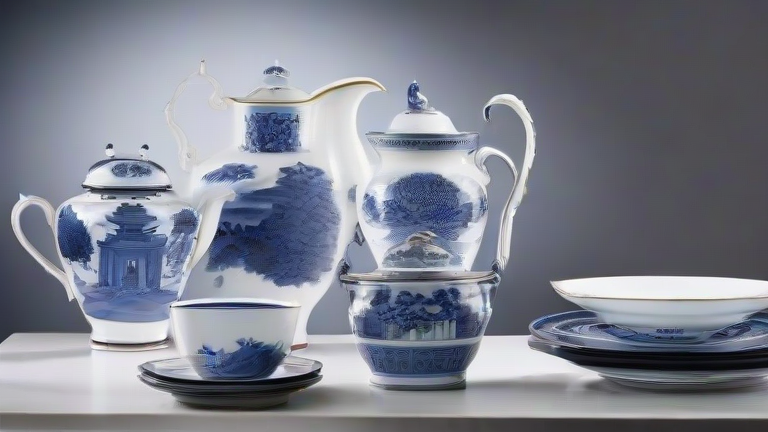
Porcelain History & Culture: A Deep Dive for Business
TL;DR: The global porcelain market is shifting from mass-produced utility to high-value cultural narratives, driven by affluent consumers seeking authenticity and heritage. Businesses must leverage historical storytelling and artisanal craftsmanship to differentiate products in a saturated luxury goods landscape.
The Evolution of Porcelain as a Cultural Asset
Porcelain has long transcended its functional origins to become a symbol of cultural prestige and economic power. From the secret-firing techniques of ancient China to the industrial revolution in Europe, porcelain history is a narrative of innovation and trade. For modern businesses, understanding this lineage is not merely academic; it is a strategic imperative. Consumers today are increasingly educated and value the provenance and story behind the objects they purchase. A simple mug is no longer just a vessel for coffee; it is a potential gateway to centuries of ceramic artistry. This shift demands that companies move beyond selling products to selling experiences rooted in cultural heritage.
If you want to dig deeper, check out our guide on Porcelain History & Culture: The Complete Guide.
Market Analysis: The Rise of Niche Luxury
The contemporary porcelain market is bifurcated. On one side, mass-market ceramics compete on price and durability, serving the bulk of consumer demand. On the other, a growing niche of luxury collectibles and bespoke art pieces commands premium pricing. Market data indicates a steady growth in the high-end decorative ceramics sector, fueled by rising disposable incomes in Asia and the Middle East, as well as a renewed interest in sustainable, handmade goods in Western markets. Key trends include a preference for limited editions, collaborations with contemporary artists, and products that tell a specific historical story. Furthermore, the e-commerce revolution has allowed niche brands to reach global audiences, bypassing traditional retail gatekeepers. However, this accessibility also intensifies competition, making brand differentiation through cultural depth critical. Companies that fail to articulate the historical and cultural value of their porcelain risk being commoditized.
Strategic Insights for Modern Brands
To capitalize on this cultural shift, businesses must adopt a narrative-driven strategy. First, authenticity is paramount. Brands should highlight the traditional techniques used in their production, such as hand-throwing or specific glazing methods, to appeal to consumers seeking craftsmanship. Second, collaboration is a powerful tool. Partnering with museums, historical societies, or contemporary artists can lend credibility and create buzz. For instance, a brand might release a collection inspired by a specific dynasty’s aesthetic, accompanied by educational content that explains the historical context. Third, digital storytelling is essential. Using social media, virtual reality, or interactive websites to share the history of porcelain can engage younger demographics who may not visit physical stores. Transparency in the supply chain, ensuring ethical sourcing of raw materials, also aligns with modern consumer values, enhancing brand loyalty.
Case Studies in Cultural Positioning
Consider the success of Meissen, the first European porcelain manufacturer. Founded in the early 18th century, Meissen has maintained its premium status by strictly guarding its production secrets and emphasizing its royal history. Their marketing focuses heavily on the heritage of the brand, positioning each piece as a piece of history. Another example is the Japanese brand Noritake, which successfully blends modern design with traditional Japanese aesthetics. They target the global market by emphasizing the precision and artistry of Japanese craftsmanship, appealing to international collectors who value cultural authenticity. Conversely, a mid-tier European brand that attempted to enter the luxury market without a strong historical narrative failed to gain traction, as consumers perceived the products as generic. These cases illustrate that in the porcelain business, history is not just a backdrop; it is the core value proposition. By investing in cultural capital, companies can create enduring brand equity that withstands market fluctuations.
FAQ
Q: How can small porcelain businesses compete with large manufacturers?
A: Small businesses should focus on niche markets, limited editions, and strong storytelling that highlights artisanal craftsmanship and unique historical connections, which large mass-producers cannot easily replicate.
Q: What role does digital marketing play in selling culturally significant porcelain?
A: Digital marketing is crucial for educating consumers about the historical and cultural value of the products, using visual storytelling and social media to create emotional connections
Leave a Reply