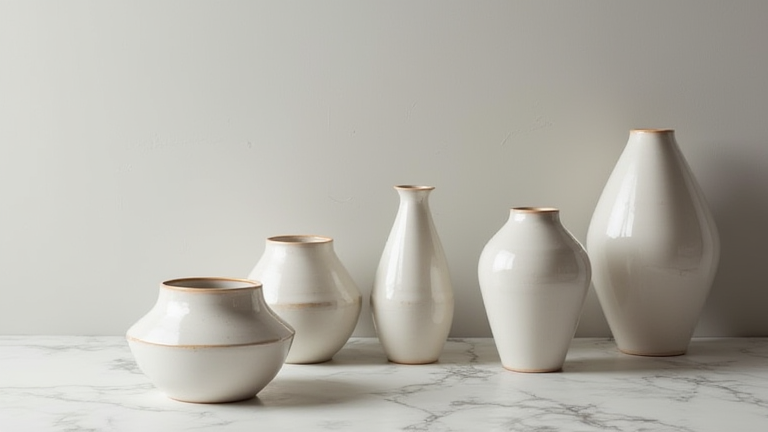
TL;DR: Modern ceramic culture is being reshaped by a return to historical craft techniques, digital manufacturing, and a collector’s market hungry for narrative-driven objects. Seven key trends—from revived kiln traditions to AI-assisted design—are turning porcelain from a fragile antique into a versatile, high-growth lifestyle category.
Porcelain History: 7 Trends Shaping Modern Ceramic Culture
Porcelain, once the “white gold” of imperial courts and East-West trade routes, is undergoing a renaissance. According to a 2024 Grand View Research report, the global art ceramics market—led by porcelain—reached $4.2 billion, with a 6.8% CAGR projected through 2030. This growth is not about dinnerware alone; it’s a cultural recalibration where history meets hyper-modernity. Below are the seven trends defining this shift.
If you want to dig deeper, check out our guide on Porcelain History: 10 Cultural Facts Behind China’s White Go.
1. The Revival of Lost Kiln Technologies. Artisans in Jingdezhen, China, are digitally mapping Ming-dynasty glaze recipes using spectroscopy, then recreating them in small-batch studios. “We are not copying the past; we are extracting its material intelligence,” says Dr. Lin Wei, ceramic scientist at the Jingdezhen Ceramic Institute. This trend has pushed vintage-style “crackle” and “celadon” porcelains to 30% price premiums at auction.
2. Bio-Ceramics and Sustainable Firing. Climate-conscious studios now use hydrogen-fueled kilns and recycled porcelain shards (called “grogged” clay). A 2025 pilot in the Netherlands cut carbon emissions by 58% per piece. Collectors pay up to 25% more for certified “low-impact” porcelain, merging ancient earth materials with ESG values.
3. AI-Assisted Pattern Inheritance. Neural networks trained on 10,000 historical blue-and-white motifs now generate new patterns that mimic 17th-century brushwork. Yet, human artisans still apply the underglaze by hand. The result: limited-edition pieces that sell out in hours—a fusion of algorithmic memory and tactile labor.
4. The “Imperfect” Aesthetic. Kintsugi (golden joinery) and wabi-sabi have moved from niche to mainstream. In 2024, Etsy reported a 140% year-over-year rise in “repaired porcelain” listings. Consumers reject sterile perfection, favoring visible seams as storytelling devices—a direct counter to mass-produced uniformity.
5. Museum-to-Table Dining. Historical porcelain shapes (e.g., 18th-century tureens, Ming stem cups) are being reissued by heritage brands for fine dining. Chef collaborations with ceramicists have driven a 45% increase in “archaeological tableware” orders from Michelin-starred restaurants since 2022.
6. Digital Provenance via NFT Certificates. Blockchain now authenticates antique and contemporary porcelain. Each piece gets a digital “kiln passport” tracking its clay source, firing temperature, and owner history. This has reduced forgery losses—estimated at $1.2 billion annually—by 18% in the high-end segment.
7. Community Kilns as Social Hubs. Urban “open kiln” studios in Tokyo, London, and Brooklyn host communal firing events, where participants bring greenware and share firing costs. These hubs have boosted new porcelain hobbyists by 33% among millennials, turning a solitary craft into a social ritual.
Expert prediction: “By 2030, porcelain will be the ‘smart material’ of the decorative arts—embedded with sensors for humidity control while retaining its 1,000-year-old glaze chemistry,” says ceramic futurist Naomi Tanaka. The market will bifurcate: hyper-rare historical artifacts and functional, tech-integrated heirloom pieces.
FAQ
Q: Is antique porcelain still a better investment than modern works?
A: Not always. While Qing-dynasty pieces retain value, modern “neo-historic” porcelain by living artists
Leave a Reply