Porcelain History: A Guide to Cultural Heritage
TL;DR: This comprehensive guide explores the intricate timeline of porcelain from its ancient Chinese origins to its global influence. It provides essential context for collectors and enthusiasts seeking to understand the material’s deep cultural significance.
Feature Highlights
Understanding porcelain is not merely about appreciating its aesthetic beauty; it is about grasping a pivotal chapter in human technological and artistic development. This review focuses on the key educational resources available for deepening this understanding. The primary feature is the detailed chronological breakdown of production techniques, ranging from the early high-temperature firing methods in the Song Dynasty to the refinement of blue-and-white glazes during the Ming period. Readers gain insight into how specific mineral compositions, such as kaolin clay, revolutionized the material’s durability and translucency.
If you want to dig deeper, check out our guide on Porcelain’s Health Secrets: History, Culture & Wellness.
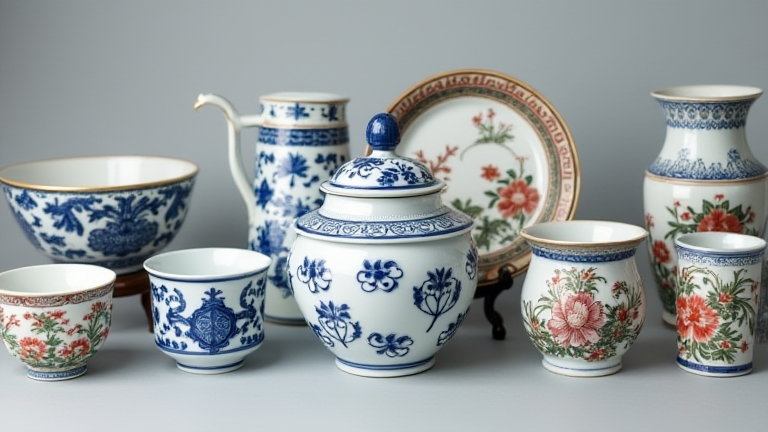
Another significant highlight is the exploration of trade routes that transformed porcelain from a local curiosity into a global commodity. The article details how the Silk Road and maritime trade networks facilitated the exchange of not just goods, but also artistic motifs and cultural philosophies. This section effectively connects the physical object to broader historical narratives, showing how European artisans attempted, and eventually succeeded, in replicating the material, leading to the birth of European porcelain industries in places like Meissen and Sèvres. The resource also includes curated museum collection links, allowing readers to visualize the evolution of forms, from delicate teacups to monumental vases, providing a tangible connection to the historical text.
Comparisons
When compared to standard art history textbooks, this guide offers a more specialized focus on the material culture of ceramics. While general texts might mention porcelain in passing, this resource dedicates extensive attention to the specific chemical processes and kiln technologies that defined its creation. Furthermore, unlike purely commercial catalogues that prioritize current market value, this guide emphasizes historical context and cultural heritage. It balances academic rigor with accessible language, making it suitable for both seasoned collectors and novice learners. The comparative analysis of Asian and European porcelain traditions is particularly robust, highlighting distinct stylistic differences and the mutual influences that emerged during the Age of Exploration.
By integrating visual references through descriptive text and external museum links, the guide bridges the gap between theoretical knowledge and practical appreciation. It stands out for its commitment to preserving the narrative of artisans whose skills were often undocumented, offering a human perspective on the objects we cherish today. This approach ensures that the history of porcelain is viewed not just as a timeline of inventions, but as a living cultural heritage that continues to inspire contemporary design and artistic expression.
Call-to-Action
Immerse yourself in the rich legacy of this exquisite material. Dive into the full guide today to uncover the stories behind the shards and the secrets of the kiln. Your journey into the world of porcelain heritage starts now.
FAQ
Q: What defines true porcelain?
A: True porcelain is defined by its high-temperature firing process, typically above 1200 degrees Celsius, and its composition of kaolin clay, which results in a dense, translucent, and white body.
Q: Why is Chinese porcelain historically significant?
A: It is significant because China was the first to master the production of true porcelain, setting the global standard for quality and influencing artistic styles and trade economies for centuries.
Q: How did European porcelain development differ?
A: European development focused on replicating the Chinese aesthetic using local materials and different firing techniques, leading to unique regional styles that emphasized different decorative traditions and forms.
Leave a Reply