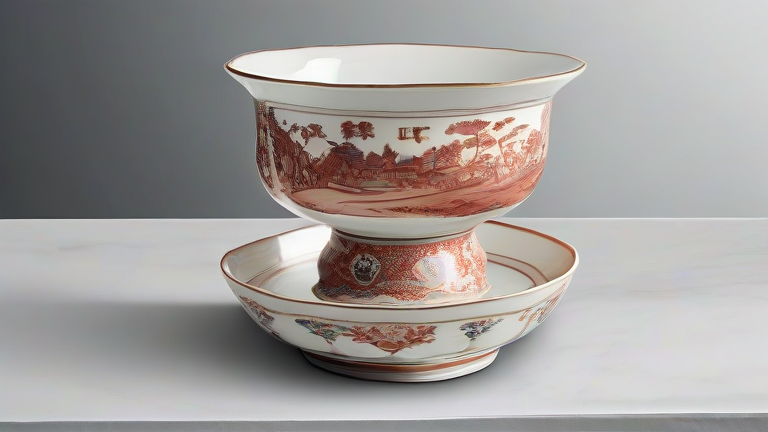
Porcelain History: A Guide to Its Cultural Impact on Lifestyle
TL;DR: Porcelain has transformed from a rare Chinese luxury into a global symbol of refinement, shaping dining rituals and home aesthetics for centuries. Its enduring legacy lies in how it elevates everyday moments, connecting us to a rich tapestry of artistic heritage and cultural exchange.
The Journey from Imperial China to Global Tables
The story of porcelain is not merely one of material science, but of cultural aspiration. Originating in China during the Han Dynasty, fine porcelain, known as “bai ci,” was initially reserved for imperial courts. Its translucency, durability, and pure white aesthetic were seen as metaphors for purity and high moral character. As trade routes expanded, particularly along the Silk Road, porcelain traveled westward, becoming a coveted commodity that sparked the Age of Exploration. European traders were so eager to possess these delicate vessels that they were willing to pay weight in gold. This intense desire fueled the establishment of trading posts and eventually led to the secret of kaolin clay being deciphered in Germany in the early eighteenth century, marking the birth of European porcelain industries like Meissen and Sèvres.
If you want to dig deeper, check out our guide on Porcelain History: Cultural Impact & Business Insights.
Shaping Dining Rituals and Social Etiquette
Beyond its value as a collectible, porcelain fundamentally altered how humans interact with food and each other. In the pre-porcelain era, dining ware was often made of wood, metal, or rough pottery, which could impart flavors to food or lack the structural integrity for elaborate presentations. The introduction of fine porcelain allowed for the creation of intricate table settings that signaled status and sophistication. In France, the “service à la française” became a ritual where the presentation of food on matching porcelain plates was as important as the meal itself. This shift encouraged a more leisurely and aesthetic approach to dining, turning meals into social events centered on conversation, visual appeal, and shared experience. Today, the choice of tableware still communicates cultural values; a simple white plate suggests modern minimalism, while hand-painted patterns might evoke a connection to artisanal traditions.
Modern Relevance and Personal Growth
In contemporary lifestyle culture, porcelain serves as a bridge between historical appreciation and personal expression. Many individuals engage in “slow living” by investing in high-quality, heirloom-quality pieces that are meant to last generations. This practice encourages mindfulness, as users become more aware of the fragility and beauty of their objects, leading to a greater appreciation for the craft involved in their creation. Furthermore, visiting porcelain museums or kilns has become a popular form of cultural tourism, offering insights into global history and artistic techniques. For the modern consumer, choosing sustainable, locally made ceramics supports local economies and reduces environmental impact, aligning with broader values of ethical consumption. Thus, porcelain is no longer just a vessel for soup or tea; it is a tangible link to our past and a tool for cultivating a more deliberate, aesthetically pleasing present.
FAQ
Q: Why is porcelain considered more valuable than other ceramics?
A: Its unique combination of translucency, strength, and resistance to staining makes it ideal for fine dining, while its historical scarcity and complex manufacturing process contribute to its prestige.
Q: How can I care for antique porcelain pieces?
A: Handle with clean hands, wash gently in warm water with mild soap, avoid sudden temperature changes, and store items in padded compartments to prevent chipping.
Q: What is the difference between china and porcelain?
A: While often used interchangeably, “china” is a generic term for ceramic tableware, whereas “porcelain” specifically refers to a type of ceramic fired at high temperatures using kaolin clay, resulting in a harder, whiter, and more translucent material.
Leave a Reply