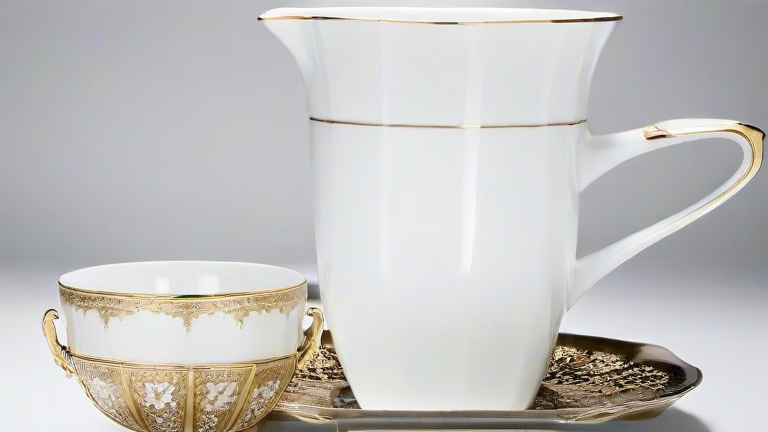
TL;DR: This comprehensive guide reveals the intricate artistry, geological origins, and cultural significance behind porcelain, often called white gold. It explores seven hidden aspects that define its premium status and enduring legacy.
The Allure of White Gold
Porcelain is not merely tableware; it is a testament to human ingenuity and aesthetic refinement. For centuries, this material has commanded high prices due to its unique properties and the difficulty of its production. Understanding its background allows collectors and enthusiasts to appreciate the true value of these objects. The term white gold aptly describes its luster, durability, and economic worth in global trade. This article delves into the lesser-known facets of porcelain history and culture, offering insights that go beyond surface-level descriptions.
If you want to dig deeper, check out our guide on Porcelain History & Culture: A Complete Beginner’s Tutorial.
Feature Highlights
High-quality porcelain is defined by its translucency, which allows light to pass through thin sections. This optical phenomenon is a key differentiator from standard ceramic ware. Another critical feature is its vitreous surface, which creates a smooth, non-porous finish that resists staining and bacterial growth. The acoustic property is also notable; when tapped, genuine porcelain produces a clear, ringing tone rather than a dull thud. These characteristics result from a specific firing process that fuses kaolin clay, quartz, and feldspar at extreme temperatures. The resulting material is incredibly hard and resistant to chipping, ensuring longevity for generations.
Comparisons
When comparing porcelain to other ceramics, the distinctions become clear. Stoneware, for instance, is more porous and opaque, often used for rustic aesthetics. Earthenware is the most common but least durable, requiring glazing to prevent absorption. Porcelain stands apart due to its body composition and firing temperature, which exceeds 1200 degrees Celsius. Unlike bone china, which contains animal bone ash, traditional porcelain relies solely on mineral ingredients, making it a preferred choice for those seeking purely natural materials. The cost reflects these material and labor differences, with authentic porcelain commanding a premium over its counterparts.
Call-to-Action
Discover the rich heritage of porcelain by exploring curated collections that highlight these seven secrets. Visit our featured gallery today to see how history and culture merge in every piece. Elevate your dining experience with authentic, historically significant porcelain that tells a story with every use.
FAQ
Q: What makes porcelain different from regular ceramic?
A: Porcelain is made from kaolin clay and fired at higher temperatures, resulting in a harder, more translucent, and non-porous material compared to standard ceramics.
Q: Why is porcelain called white gold?
A: It is called white gold due to its high economic value, lustrous white appearance, and historical scarcity, which made it a prized commodity in global trade.
Q: Is all white ceramic actually porcelain?
A: No, not all white ceramics are porcelain; some are earthenware or stoneware that has been glazed to appear white, lacking the specific mineral composition and firing process of true porcelain.
Leave a Reply