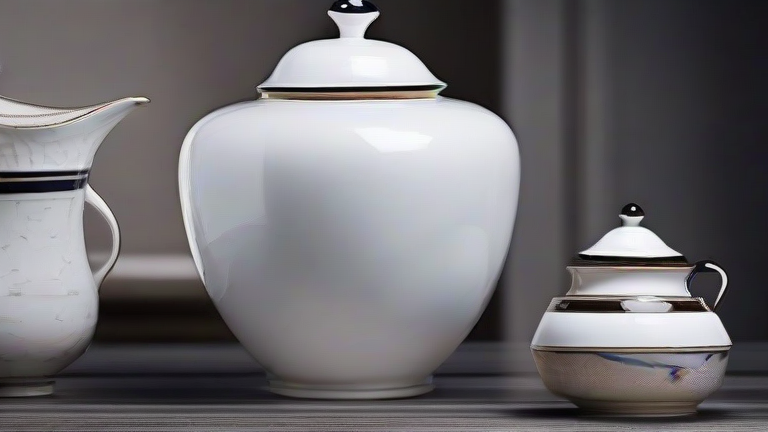
Porcelain History & Culture: A Business Guide
TL;DR: The global porcelain market is driven by a resurgence in cultural heritage and sustainable luxury, favoring brands that authentically narrate historical craftsmanship. Businesses succeed by integrating traditional artisanal techniques with modern design, targeting high-net-worth consumers who value provenance and artistic integrity over mass-produced goods.
Market Analysis: The Premium Heritage Sector
The contemporary porcelain industry has evolved significantly from its industrial origins. While mass production dominates lower-end tableware, a distinct and growing segment focuses on high-value, culturally significant pieces. Market analysis indicates that consumers are increasingly seeking products that offer a tangible connection to history. This trend is particularly pronounced in East Asia, where porcelain is not merely a utilitarian object but a symbol of status and cultural pride. In the West, the market is shifting towards “slow living” aesthetics, where hand-thrown, historically inspired ceramics command premium pricing. The key driver here is authenticity. Buyers are willing to pay significantly more for items that demonstrate genuine artisanal skill and historical accuracy, rather than machine-made imitations. Furthermore, sustainability concerns have boosted demand for natural, non-toxic glazes and locally sourced clays, aligning with the historical purity of traditional porcelain materials.
If you want to dig deeper, check out our guide on Porcelain History: A Beginner’s Guide to Culture.
Strategy Insights: Leveraging Cultural Narrative
To succeed in this niche, businesses must master the art of storytelling. Strategy insights suggest that the physical product is only half of the value proposition; the other half is the cultural narrative attached to it. Companies should invest heavily in documenting the provenance of their materials and the lineage of their techniques. For instance, highlighting the use of specific historical kilns or the revival of extinct glazing methods can create a unique selling point. Diversification is also critical. Rather than focusing solely on tableware, successful brands expand into decorative sculptures, educational kits, and digital experiences that teach the history of porcelain. Collaborations with museums and historical societies can lend credibility and attract a demographic that values education and art. Additionally, limited edition releases based on historical periods can create urgency and exclusivity, driving higher margins. The strategy must balance preservation of tradition with innovation in design to appeal to younger collectors who appreciate heritage but seek modern utility.
Case Studies: Success Stories
Consider the case of a mid-sized European ceramics firm that rebranded its entire line around the 17th-century Delftware tradition. By partnering with local historians to ensure accuracy in patterns and glaze composition, they transformed a struggling brand into a luxury lifestyle icon. Their marketing focused on the “story behind the stain,” educating customers on the chemistry of iron and tin glazes. This approach increased their average order value by 40%. Another example is an Asian manufacturer that leveraged augmented reality to allow customers to virtually visit the ancient kilns where their porcelain was fired. This digital immersion enhanced the perceived value of the physical product, resulting in a significant increase in international sales. These cases demonstrate that when businesses align their operations with deep cultural respect and transparent historical education, they build loyal customer bases that are less price-sensitive and more brand-loyal.
FAQ
Q: Why is cultural authenticity important in porcelain sales?
A: Authenticity justifies premium pricing and builds trust, as consumers in the luxury sector seek genuine historical connections rather than generic mass-produced items.
Q: How can small businesses compete with large manufacturers?
A: Small businesses should focus on niche historical styles, artisanal craftsmanship, and personalized storytelling to offer a unique experience that mass production cannot replicate.
Q: What role does digital technology play in the porcelain market?
A: Digital tools like AR and online archives enhance customer engagement by providing educational context and virtual experiences that deepen the appreciation for historical techniques.
Leave a Reply