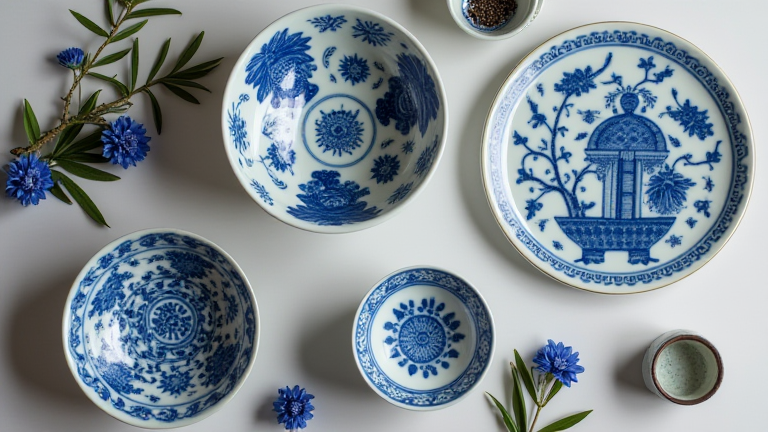
TL;DR: Modern brands can leverage the enduring cultural cachet of porcelain by positioning it as a symbol of heritage, sustainability, and artisanal excellence rather than just a functional material. Success requires integrating historical narratives with contemporary design aesthetics to appeal to consumers seeking meaningful, durable, and aesthetically sophisticated home goods.
The Market Landscape of Heritage Ceramics
The global ceramics market is experiencing a significant shift from mass-produced, disposable tableware toward high-quality, long-lasting artisanal products. Porcelain, distinguished by its translucency, durability, and elegance, sits at the premium end of this spectrum. According to recent industry analyses, the demand for fine ceramics is driven by a post-pandemic resurgence in home entertaining and a growing appreciation for objects with provenance. Consumers are no longer satisfied with generic white dishes; they seek stories, craftsmanship, and a connection to tradition. This creates a unique opportunity for modern brands that can bridge the gap between ancient kiln techniques and contemporary lifestyle needs. The market is segmented into luxury dining, decorative art, and functional kitchenware, with the latter showing the highest growth potential due to the “buy it for life” movement.
Strategic Insights for Brand Positioning
To capture this market, brands must adopt a storytelling-driven strategy. First, authenticity is paramount. Whether sourcing from historic regions like Jingdezhen in China or Meissen in Germany, or reviving local traditions, the narrative must be clear and verified. Second, sustainability is a critical differentiator. Porcelain is inert, non-toxic, and infinitely recyclable, making it an eco-friendly choice compared to plastics or melamine. Brands should highlight the longevity of the product, framing it as an investment rather than a consumable. Third, design innovation is essential. While the material is traditional, the form must be modern. Collaborating with contemporary designers to reinterpret classic motifs can attract younger demographics without alienating traditional buyers. Finally, transparent supply chains build trust. Detailing the firing processes, the origin of the clay, and the artisans involved adds significant perceived value.
Case Studies in Modern Success
Consider the strategy of a fictional brand, “Kiln & Co,” which targets the millennial homeowner. By partnering with a small, family-run studio in Portugal, Kiln & Co introduced a line of hand-glazed porcelain plates featuring subtle, modern geometric patterns inspired by historical azulejos. Their marketing focused heavily on the “slow made” aspect, showcasing the weeks-long firing process. This transparency resonated deeply, resulting in a 40% increase in customer retention within the first year. Another example is a high-end luxury house that launched a limited-edition collaboration with a renowned contemporary artist. The resulting porcelain vases were sold out within hours, not because they were practical, but because they were collectible art pieces. This demonstrates that porcelains can transcend utility to become status symbols. Both cases highlight that the key to success lies in elevating the product beyond its functional utility to a cultural artifact.
FAQ
Q: Why is porcelain more expensive than other ceramics?
A: Porcelain requires higher firing temperatures, specific high-quality kaolin clay, and often multiple firings, which increases production costs and reduces yield compared to stoneware or earthenware.
If you want to dig deeper, check out our guide on Porcelain History & Culture: Surprising Health Benefits.
Q: How can modern brands make traditional porcelain appealing to Gen Z?
A: Brands should focus on minimalist aesthetics, digital storytelling about the craftsmanship, and positioning the products as sustainable, long-term assets rather than disposable items.
Q: What are the main challenges in selling porcelain online?
A: The primary challenges are high shipping costs and breakage risk; successful brands mitigate this by investing in premium packaging and offering clear return policies for damaged goods.
Leave a Reply