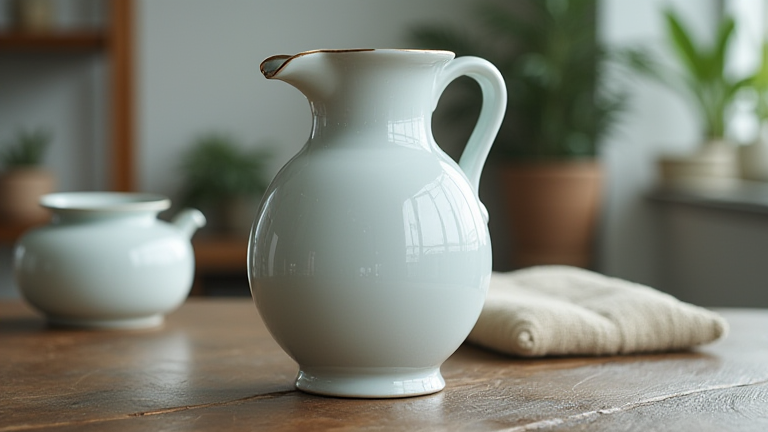
Porcelain History: How Ancient Craft Shapes Modern Health
TL;DR: The ancient mastery of porcelain, rooted in precise chemical composition and firing techniques, provides a model for modern wellness through the use of non-porous, hygienic materials and mindfulness in craftsmanship. Integrating porcelain artifacts into daily life promotes mental clarity and physical safety by reducing exposure to toxic leaching substances found in lower-quality ceramics.
The Alchemy of Purity
Porcelain, often called “white gold,” has a history stretching back to the Han Dynasty in China. Its creation required a specific blend of kaolin clay, quartz, and feldspar, fired at extremely high temperatures. This process results in a material that is vitreous, meaning it is non-porous. In the context of modern health and wellness, this non-porous nature is critical. Unlike lower-quality earthenware, which can absorb liquids and harbor bacteria over time, high-quality porcelain does not trap moisture or odors. This makes it an ideal material for kitchenware and drinking vessels, supporting a hygienic lifestyle that reduces the risk of gastrointestinal issues associated with bacterial growth in utensils.
If you want to dig deeper, check out our guide on Porcelain History & Culture: A Complete Beginner’s Tutorial.
Mindfulness in Material Culture
Beyond physical hygiene, the cultural history of porcelain offers profound psychological benefits. The production of porcelain is a highly disciplined craft that requires patience, precision, and an acceptance of imperfection, as seen in the Japanese concept of wabi-sabi. Incorporating porcelain into one’s daily routine, such as sipping tea from a handcrafted cup, encourages mindfulness. Studies in behavioral psychology suggest that the tactile experience of holding a cool, smooth ceramic object can lower cortisol levels and promote a state of calm. This ritualistic use of porcelain connects the user to a historical tradition of contemplation, bridging the gap between ancient artisanal practices and modern stress-management techniques.
Safety and Environmental Impact
From a scientific perspective, the choice of material significantly impacts health outcomes. Historically, lead glazes were used to give porcelain its shine, but modern standards have eliminated this hazard. When selecting porcelain for home use, it is advisable to choose pieces labeled as “lead-free” and “food-safe.” This ensures that no heavy metals leach into beverages, particularly acidic ones like tea or lemon water. Furthermore, porcelain is an environmentally sustainable material. It is made from natural minerals and is durable, reducing the need for frequent replacement compared to plastic or paper alternatives. By investing in high-quality porcelain items, individuals contribute to a healthier home environment and a more sustainable lifestyle, aligning personal wellness with global ecological health.
Practical Lifestyle Tips
To harness the health benefits of porcelain, consider replacing plastic water bottles with glass or porcelain-insulated flasks. This eliminates the risk of microplastic ingestion and chemical leaching. Additionally, designate a specific time each day to enjoy a beverage in a favorite porcelain cup, focusing solely on the taste, temperature, and texture of the drink. This practice, known as “mindful savoring,” can improve digestion and reduce anxiety. Regularly inspect your porcelain items for cracks or chips, as damaged surfaces can compromise the non-porous barrier and potentially harbor bacteria. By treating these objects with care and intention, you extend their lifespan and maintain the hygienic integrity that defines the material’s historical excellence.
FAQ
Q: Is all porcelain safe for long-term health use?
A: Not necessarily. Only high-quality, lead-free, and food-safe porcelain is recommended for daily consumption, as lower-quality items may contain harmful glazes that can leach toxins.
Q: How does porcelain compare to plastic for hydration?
A: Porcelain is significantly safer for health as it does not contain bisphenol A (BPA) or other plasticizers, nor does it leach microplastics into water, offering a chemically inert vessel for beverages.
Q: Can using porcelain actually reduce stress levels?
A: Yes, the ritualistic and tactile nature of using porcelain, combined with the mindfulness of the associated
Leave a Reply