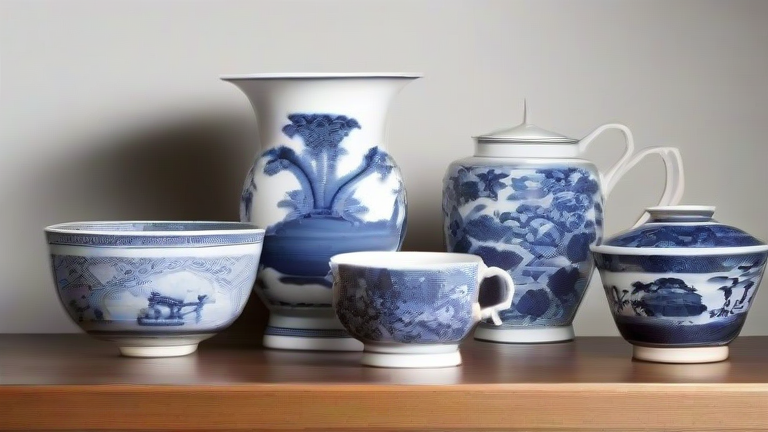
TL;DR: Porcelain is a durable, translucent ceramic invented in China that revolutionized global trade and art. To understand it, study its evolution from imperial treasures to mass-produced European wares.
Step 1: Understand the Origins
Begin by researching the Tang and Song dynasties, where true porcelain was first mastered. Focus on the unique kaolin clay and high-firing temperatures that defined its creation. Read primary sources or academic summaries to grasp why Chinese porcelain was considered a magical material, often valued more than gold in the West. This foundational knowledge helps you appreciate the mystery surrounding its production secrets, which were guarded jealously for centuries.
If you want to dig deeper, check out our guide on Porcelain’s Ancient Roots: A Cultural & Health History.
Step 2: Explore the Global Impact
Next, examine how porcelain shaped global culture and economics. Study the “China Trade” routes that brought bowls, plates, and vases to Europe, influencing local tastes and artistic styles. Look into how European artisans, particularly in Germany and France, reverse-engineered the formula to create their own versions. Understanding this cross-cultural exchange reveals how a simple material drove colonial expansion, artistic innovation, and diplomatic relations between East and West.
Step 3: Learn to Identify Styles
Develop your eye for different historical periods. Compare the delicate blue-and-white patterns of Chinese export ware with the bold, colorful Rococo designs of Meissen or Sèvres. Visit museums or use high-resolution digital archives to observe glaze finishes, foot rings, and backmarks. Pay attention to the evolution of shapes, such as the shift from utilitarian bowls to ornate sculptural pieces. This visual literacy allows you to categorize pieces and understand their cultural context.
Step 4: Explore Modern Culture
Finally, investigate how porcelain remains relevant in contemporary art and design. Look for modern artists who use porcelain to challenge traditional forms or comment on social issues. Visit local galleries to see how the medium has adapted to modern aesthetics. Understanding current trends connects historical knowledge to present-day appreciation, showing that porcelain is not just an antique but a living art form.
Step 5: Build a Collection or Library
Start small by acquiring a few high-quality books on porcelain history or attending local auctions. Handle items with care if you collect, using cotton gloves to prevent oil damage. Join online forums or clubs to discuss findings with enthusiasts. This active engagement deepens your understanding and provides a community for sharing insights and discoveries.
FAQ
Q: What makes porcelain different from other ceramics?
A: Porcelain is fired at higher temperatures, resulting in a denser, whiter, and more translucent material that is harder and less porous than earthenware or stoneware.
Q: Why was porcelain so valuable in Europe?
A: Its rarity, durability, and association with Chinese luxury made it a status symbol, driving demand that influenced global trade routes and economic policies.
Q: How can beginners start learning about porcelain culture?
A: Start by visiting a museum with a strong Asian art collection and reading introductory books on the history of Chinese ceramics to establish a baseline knowledge.
Leave a Reply