Porcelain History & Culture: A Complete Beginner’s Guide
TL;DR: Porcelain originated in China over a thousand years ago and spread globally to become a symbol of elegance and status. To begin your journey, learn to identify key historical eras and distinguish between hard-paste and soft-paste varieties through museum visits and collector resources.
Understanding the Origins and Evolution
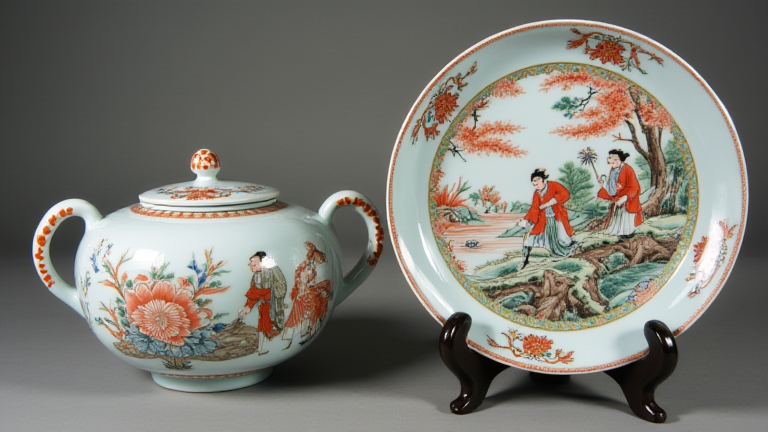
To appreciate porcelain, you must first understand its roots. True porcelain, or hard-paste porcelain, was invented in China during the Tang Dynasty, though it reached its zenith during the Ming and Qing dynasties. The secret lay in the use of kaolin clay and high firing temperatures, which created a material that was translucent, white, and incredibly durable. Before Chinese influence, Europe struggled to replicate this quality, leading to the production of earthenware and stoneware. Your first step is to study the timeline of global porcelain production. Focus on the transition from Chinese export ware to European factories like Meissen in Germany and Sèvres in France. Understanding these origins helps you contextualize the value of specific pieces. Look for historical markers such as the “eggshell” porcelain of the 18th century or the blue-and-white designs that became iconic across cultures.
If you want to dig deeper, check out our guide on Porcelain History: 10 Fascinating Facts & Cultural Secrets.
Identifying Key Styles and Markings
Once you grasp the history, you need to learn how to identify different styles. Begin by studying the major decorative motifs. Chinese porcelain often features dragons, phoenixes, and landscapes, while European pieces might display floral patterns, gilding, or historical scenes. A critical skill for beginners is reading maker’s marks. Many manufacturers stamped their wares with logos, dates, or initials. For example, Royal Crown Derby uses a specific crown mark, while Wedgwood features a distinctive signature. Practice by examining online archives of auction records. This will help you recognize common marks and avoid counterfeits. Additionally, pay attention to the glaze and body. Hard-paste porcelain is typically white and translucent, while soft-paste, often used in France before the secret was fully mastered, may appear slightly grey or yellowish and is less durable. This distinction is vital for accurate identification and valuation.
Building Your Collection and Knowledge
Start your collection with affordable pieces to build confidence. Local antique shops and estate sales are excellent places to find early examples of mass-produced porcelain. When purchasing, check for cracks, chips, or repairs. Use a magnifying glass to inspect the glaze surface. Avoid buying pieces with unexplained repairs, as this significantly lowers their value. Join online forums and local collector clubs to share findings and ask questions. Reading specialized books on porcelain history will provide deeper insights into the cultural significance of specific patterns. For instance, understanding the “Imperial” series can reveal much about the political climate of the Qing Dynasty. Finally, always verify provenance if possible. A documented history adds credibility and value to any piece. By combining historical knowledge with practical inspection skills, you will develop a keen eye for quality and authenticity.
FAQ
Q: What is the difference between china and porcelain?
A: “China” is a generic term for ceramic tableware, while “porcelain” is a specific type of ceramic made from kaolin clay and fired at very high temperatures, resulting in a translucent and durable material.
Q: How can I tell if a piece of porcelain is old?
A: Look for signs of wear such as soft glazes, heavy patina, or specific historical marks. Older pieces often have a different weight and feel compared to modern industrial ceramics, and they may lack the perfect uniformity of mass-produced items.
Q: Where can I buy authentic historical porcelain?
A: Reputable antique dealers, established auction houses, and specialized online marketplaces with verified seller programs are the safest sources. Always request certificates of authenticity for high-value items and be cautious of prices that seem too good to be true.
Leave a Reply